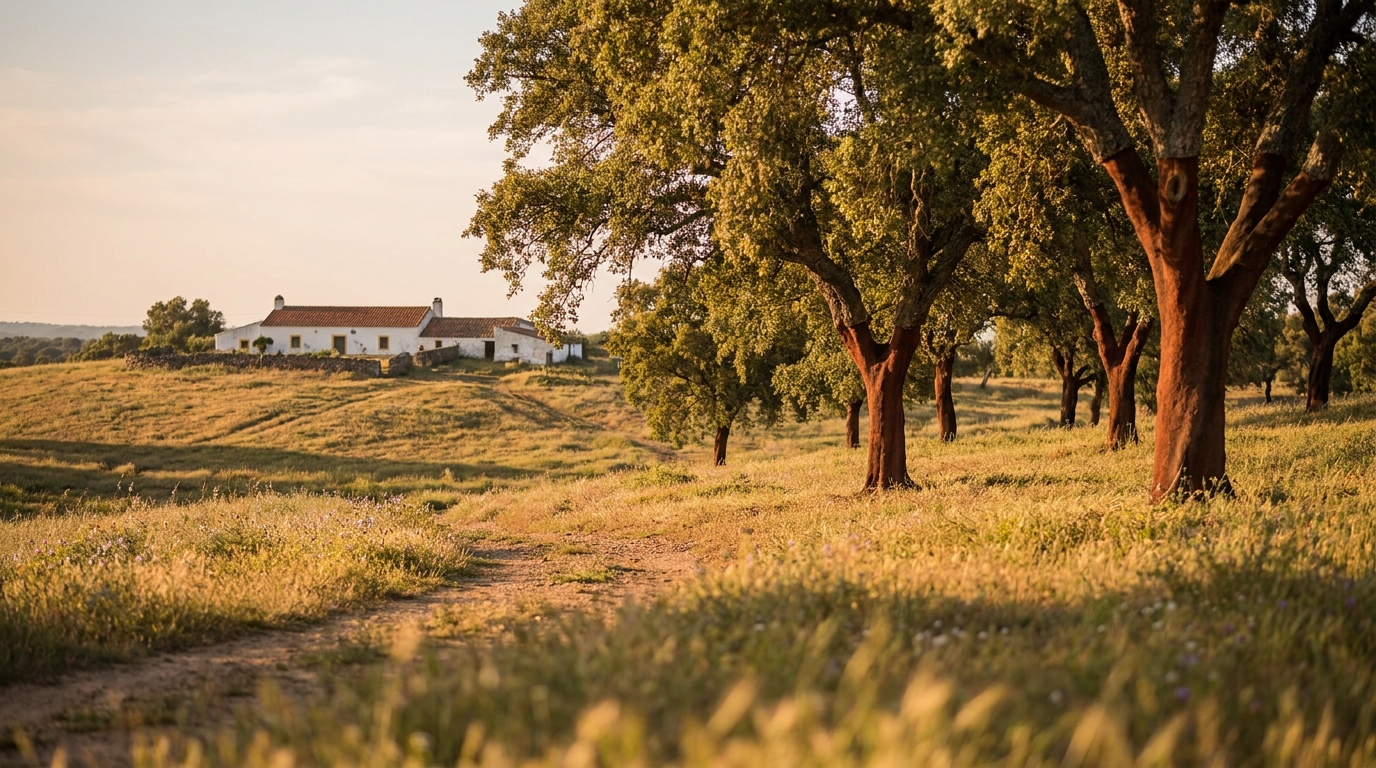
Portugal stands as the world's leading producer of cork, a remarkable natural resource deeply woven into the nation's cultural fabric and economic prosperity. From the vast, sun-drenched plains of the Alentejo to pockets of the Algarve, the cork oak, or 'sobreiro', defines the landscape and sustains a unique ecosystem. This journey invites you to explore the fascinating history of cork and discover the most enchanting places to experience its enduring legacy.
How We Chose These Unforgettable Cork Experiences
Our selection of Portugal's top cork-related locations was meticulously curated to offer a comprehensive and enriching experience for every visitor. We prioritised sites that not only showcase the sheer beauty and ecological significance of the 'montado' landscape but also delve deep into the historical and economic importance of cork. Key criteria included the authenticity of the experience, ensuring visitors could witness either ancient cork oaks, active harvesting (seasonal), or the intricate processes of cork transformation. Educational value was paramount; locations that provide insightful interpretation, whether through dedicated museums, guided tours, or informative trails, scored highly. We also considered the diversity of experiences, moving beyond just scenic drives to include opportunities for hands-on learning, cultural immersion, and even tasting local produce often linked to these agricultural landscapes. Accessibility was another factor, ensuring these sites could be comfortably reached from major hubs. Furthermore, we sought out places that highlight the sustainable nature of the cork industry, a practice that has shaped rural Portugal for centuries and continues to thrive today. From iconic ancient trees that stand as monuments to the industry's longevity, to modern processing plants demonstrating innovation, each chosen location offers a unique facet of Portugal's profound connection to its 'sobreiro' forests. These selections collectively paint a vivid picture of cork, from its roots in the earth to its global impact.Consider visiting during late spring or early summer to witness the dramatic cork harvest, known as 'descortiçamento'. This traditional process, typically occurring between May and August, is a truly remarkable sight, showcasing skilled workers carefully stripping the bark from the cork oaks.
Frequently Asked Questions
What criteria were used to select these top cork locations?
Our selection focused on sites offering a blend of historical significance, ecological importance, educational value, and the authenticity of the cork experience. We sought locations that showcase the 'montado' landscape, provide insights into cork production, or feature remarkable individual cork trees, ensuring a diverse and enriching visit.
Which location is best for first-time visitors wanting to learn about cork?
For a comprehensive introduction, the Cork Museum in Coruche or the Museu Nacional do Sobreiro e da Cortiça in Freixo do Meio are excellent choices. They offer in-depth exhibits on the history, ecology, and various applications of cork, providing a solid foundation before exploring the living landscapes.
Are there any free options for experiencing Portugal's cork trees?
Yes, many of the vast 'montado' landscapes, particularly across the Alentejo, can be appreciated by simply driving through the scenic countryside. Public parks like Parque da Cortiça in Azinheira dos Barros offer free access to walking trails among cork oaks, allowing for a direct connection with nature without an entry fee.
Are there family-friendly options among the recommended cork locations?
Absolutely. Locations like the Cork Museum in Coruche often have engaging exhibits suitable for all ages. Exploring the walking trails in areas like Parque da Cortiça provides a wonderful outdoor activity for families. Some larger estates might also offer family-oriented tours that combine nature with local culture.
Is there a hidden gem location for a more authentic or less-crowded cork experience?
For a truly tranquil and authentic experience, consider exploring some of the lesser-known cork oak trails within the Serra de Grândola. These areas offer stunning natural beauty and ancient trees without the crowds, providing a deeper sense of immersion in the untouched 'montado' landscape.