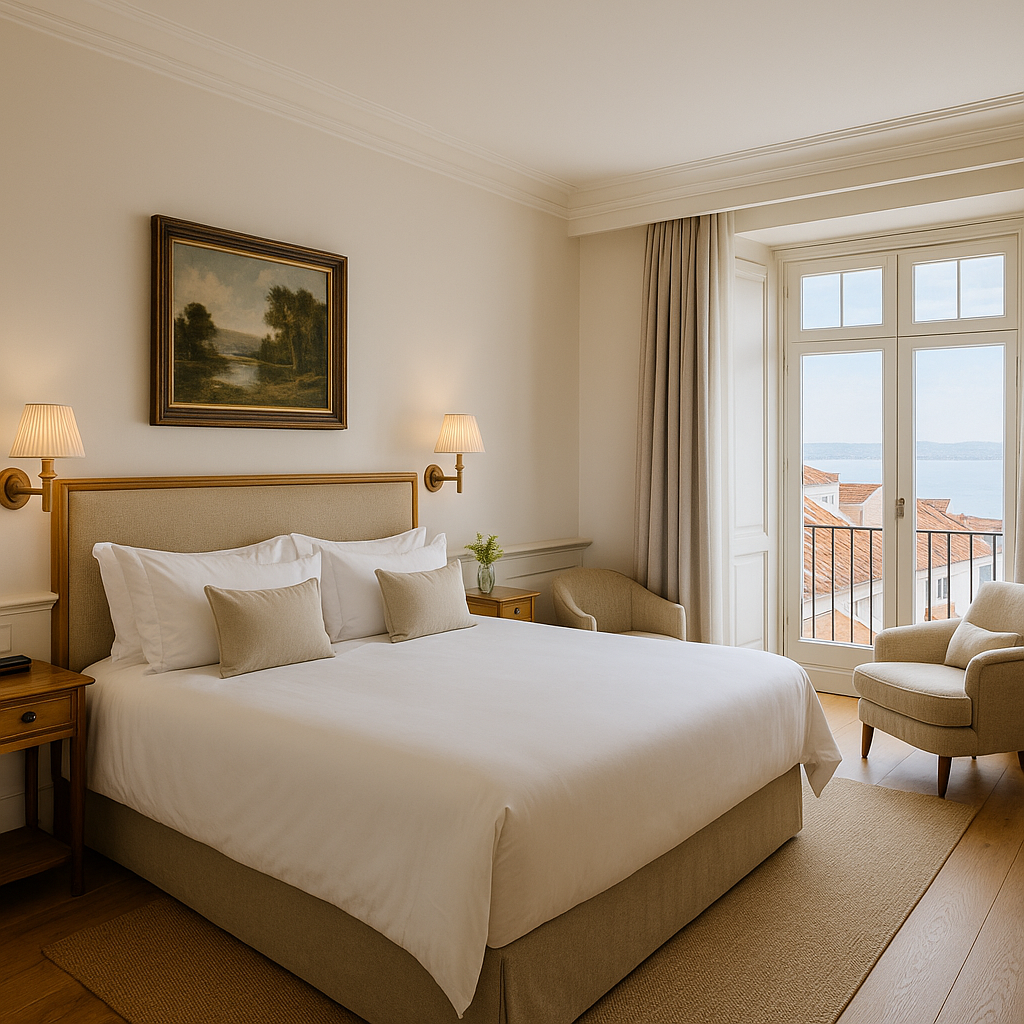
Lisbon in winter offers a distinctly charming and authentic experience, far removed from the bustling peak season. The cooler temperatures and fewer crowds provide a wonderful opportunity to delve deeper into the city's rich history, vibrant culture, and delicious cuisine at a more leisurely pace. From festive markets to cosy Fado evenings, Portugal's capital truly shines with a unique allure during the colder months.
Weather in Lisbon in Winter
Winter in Lisbon, typically from December to February, is considerably milder than in many other European capitals, making it an appealing destination for those seeking a gentle escape from harsher climates. While you won't experience extreme cold or heavy snowfall, the weather is characterised by cooler temperatures, interspersed with periods of sunshine and occasional rainfall. Daytime temperatures usually hover around a comfortable mid-teens Celsius, making it pleasant for walking and outdoor exploration, especially on clear, sunny days. Evenings, however, can become quite crisp, so layering is essential. Rainfall is more frequent during these months, particularly in December and January, though it often comes in short, sharp bursts rather than prolonged downpours. It’s not uncommon to experience a bright, sunny morning followed by an afternoon shower. The city maintains its vibrant character even under grey skies, with many indoor attractions providing perfect shelter. Expect a mix of bright, clear days ideal for sightseeing, and some overcast or rainy days perfect for museum visits or enjoying a warm drink in a traditional café.Pack layers! Bring a waterproof jacket or a sturdy umbrella, comfortable walking shoes for the cobbled streets, and a warm jumper or cardigan for cooler evenings.
Crowds and Prices in Winter
One of the most significant advantages of visiting Lisbon in winter is the noticeable reduction in tourist crowds. While popular attractions still draw visitors, queues are generally shorter, and you'll find more space to explore the city's sights and enjoy its charming atmosphere without the summer rush. This allows for a more relaxed and authentic experience, giving you a truer sense of local life. Regarding pricing, winter typically offers more favourable rates for accommodation compared to the peak summer months. Hotels, guesthouses, and apartments often have reduced prices, making a longer stay or a more luxurious experience more accessible. However, it's worth noting that prices can surge during specific festive periods, particularly around Christmas, New Year's Eve, and any local Carnival celebrations, so booking well in advance for these dates is advisable. For tours and activities, you may find better availability and, in some cases, more competitive pricing due to lower demand. Restaurants and local shops generally maintain consistent pricing year-round, but the absence of peak season demand means you're less likely to need reservations for popular eateries.Frequently Asked Questions
Is Lisbon cold in winter?
Lisbon's winter is generally mild, not bitterly cold. Daytime temperatures are comfortable, typically in the mid-teens Celsius, though evenings can be crisp. It's much warmer than many other European capitals.
Is December a good time to visit Lisbon?
Yes, December is a wonderful time to visit Lisbon. The city is adorned with festive decorations, hosts charming Christmas markets, and culminates in spectacular New Year's Eve celebrations, offering a truly magical atmosphere.
What to do in Lisbon on a rainy day?
On a rainy day, explore Lisbon's excellent museums (like the National Azulejo Museum or Calouste Gulbenkian Museum), enjoy a cosy Fado show, visit the Oceanário, or simply relax in a traditional café with a warm drink and pastry.
Are shops open in Lisbon on public holidays during winter?
Many shops, particularly in tourist areas and shopping centres, remain open on some public holidays. However, smaller independent shops and some services may close. It's always best to check specific opening hours in advance.
How do I get around Lisbon in winter?
Lisbon is a very walkable city, especially its historic districts. For longer distances or when tired, taxis, Uber, and Bolt are readily available. The iconic yellow tram offers a scenic and charming way to see certain parts of the city.
Is Lisbon expensive in winter?
Lisbon is generally less expensive in winter than during the peak summer months. Accommodation rates are often more favourable, though prices can increase around Christmas and New Year's Eve. Overall, it offers good value for money.