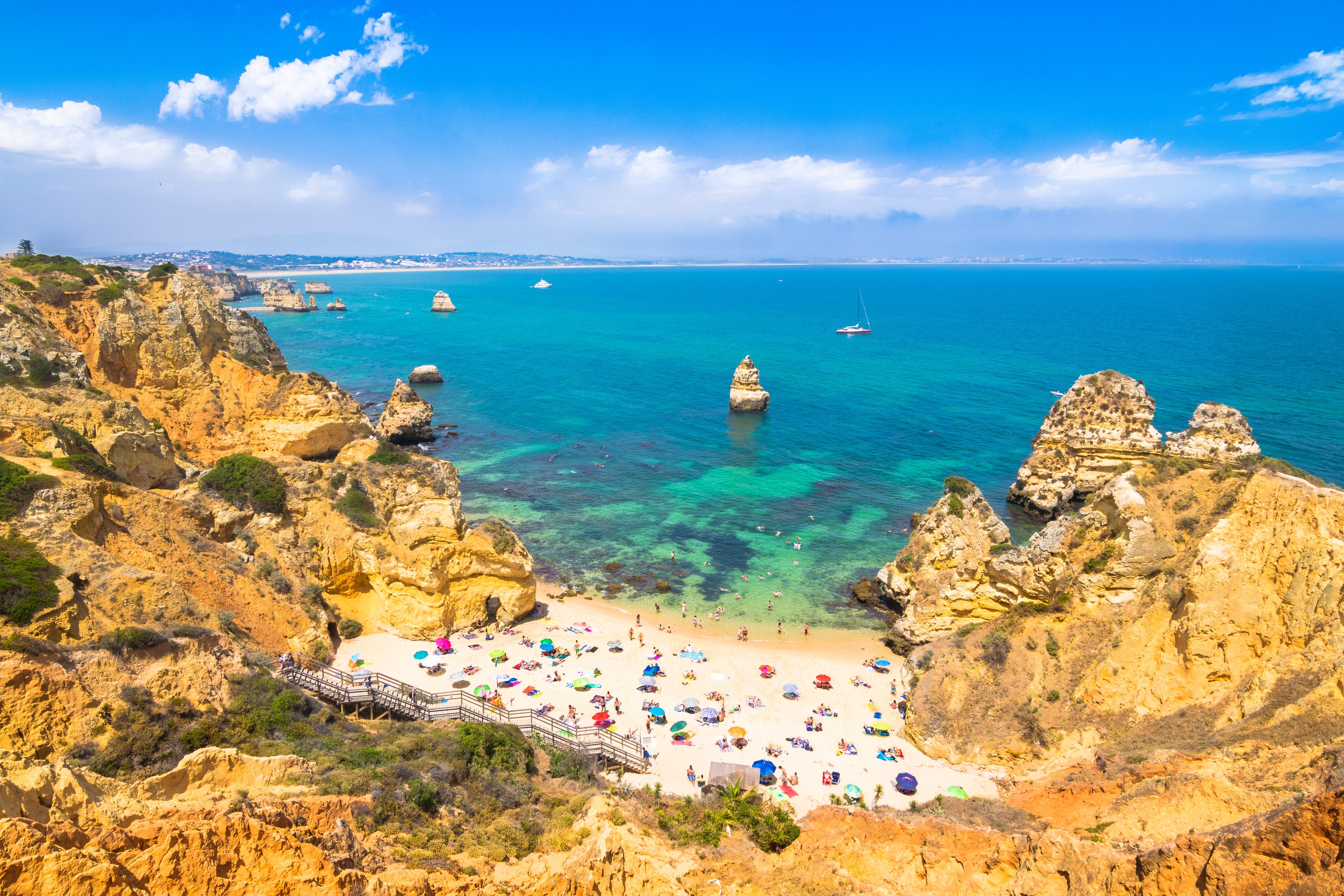
While the name 'Lisbon in Algarve' might suggest a unique blend, it's important to clarify that Lisbon is Portugal's vibrant capital, located in the central region, while the Algarve is the stunning southernmost region of mainland Portugal, famed for its golden beaches and charming towns. This guide focuses on exploring the sun-drenched beauty and rich culture of the Algarve region itself, offering insights for a memorable visit to its many captivating destinations, from the dramatic cliffs of Lagos to the bustling markets of Faro.
Weather in the Algarve
The Algarve boasts a Mediterranean climate, renowned for its abundant sunshine and mild temperatures throughout the year, making it an ideal destination for sun-seekers and outdoor enthusiasts. Summers, from June to September, are typically hot and dry, with average temperatures often reaching 28-30°C, perfect for enjoying the region's spectacular beaches. Spring (April-May) and autumn (October-November) offer pleasant warmth, with temperatures ranging from 18-25°C, making these seasons excellent for exploring towns, hiking, and golfing without the peak summer crowds. Winters (December-March) are generally mild and wetter, with average temperatures around 12-18°C, still offering plenty of sunny days, making it an attractive escape from colder European climates. Sea temperatures are warmest from July to September, inviting refreshing dips.For a comfortable Algarve visit, pack lightweight clothing, swimwear, and a wide-brimmed hat for sun protection. Evenings can be cooler, especially outside of peak summer, so a light jacket or cardigan is advisable. Comfortable walking shoes are essential for exploring towns and coastal paths, and don't forget high-factor sunscreen and sunglasses. If visiting in spring or autumn, a waterproof layer might be useful for occasional showers.
Crowds and Pricing in the Algarve
The Algarve experiences distinct seasons that influence both crowd levels and pricing. Peak season, from July to August, sees the highest number of visitors, particularly families, drawn by the hot weather and school holidays. During this time, beaches are bustling, restaurants require reservations, and accommodation prices are at their highest. If you prefer a quieter experience and more favourable rates, consider visiting during the shoulder seasons of spring (April-May) or autumn (September-October). The weather remains wonderfully pleasant, and you can enjoy the region's attractions without the intense crowds. Winter offers the most budget-friendly options and a tranquil atmosphere, though some seasonal businesses may be closed. For bespoke services like private transfers or guided tours, pricing depends on group size, vehicle and route, so it's always best to request a tailored quote.Frequently Asked Questions
How far is the Algarve from Lisbon?
The Algarve region is located in the southernmost part of mainland Portugal, while Lisbon is in the central west. The journey by road typically takes around 2.5 to 3 hours, covering approximately 250 to 300 kilometres depending on your specific destination within the Algarve. The most comfortable way to travel between these regions is with a private driver — we recommend our local partner Portugal Magik.
Is there actually a place called "Lisbon" in the Algarve?
No, there isn't. Lisbon is Portugal's capital city, located far to the north of the Algarve region. The Algarve is a distinct region known for its own unique towns, cities, and coastal landscapes, such as Faro, Lagos, Albufeira, and Tavira.
What is the best time of year to visit the Algarve?
The best time depends on your preferences. For sunbathing and swimming, July and August offer the warmest weather but also the largest crowds. For a balance of pleasant weather, fewer crowds, and often better value, the shoulder seasons of May, June, September, and October are ideal. Winter months are mild and quiet, perfect for golfing or exploring without the heat.
Which are the main towns and cities to visit in the Algarve?
The Algarve offers a diverse range of places. Faro is the regional capital with a charming old town and airport. Albufeira is known for its lively nightlife and beaches. Lagos boasts stunning rock formations and historical sites. Tavira offers a more traditional Portuguese charm with its river and island beach. Portimão is a bustling port city, and Silves has a rich Moorish history.
How can I get around the Algarve region?
While exploring individual towns on foot is delightful, travelling between different Algarve towns is best done with a private driver for comfort and convenience. Taxis and ride-sharing services like Uber or Bolt are also available for local journeys within towns or between nearby resorts.
What kind of cuisine can I expect to enjoy in the Algarve?
Algarve cuisine is heavily influenced by its coastal location. Expect an abundance of fresh seafood, including grilled sardines, cataplana (a seafood stew cooked in a copper pot), and various types of fresh fish. Local specialities also include chicken piri-piri, carob-based sweets, and figs, often accompanied by delicious local wines.