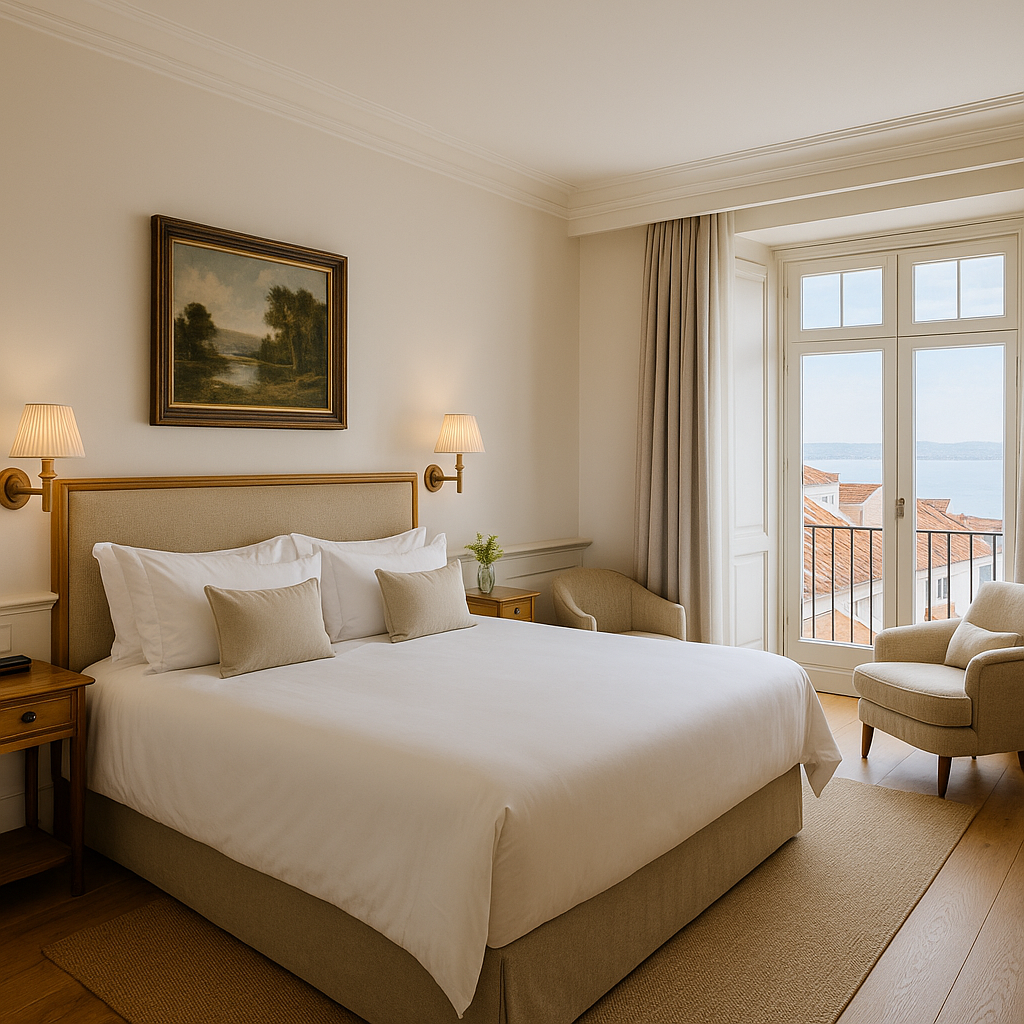
Nestled on one of Lisbon's western hills, Prazeres offers a tranquil escape from the bustling city centre. This charming neighbourhood, often overlooked by visitors, holds a unique allure with its magnificent cemetery, stunning river views, and a palpable sense of local life. As a Lisbon local, I invite you to discover the quiet beauty and historical depth of Prazeres, a true gem off the well-trodden path.
A Brief History of Prazeres
The name 'Prazeres', meaning 'pleasures' in Portuguese, might seem ironic given its most famous landmark, the Cemitério dos Prazeres. However, the area’s history extends beyond its monumental necropolis. Originally, this western edge of Lisbon was characterised by agricultural lands and country estates, enjoying fresh air and panoramic views over the Tagus River. The 18th and 19th centuries saw gradual urbanisation, driven by the city's expansion and the need for new burial grounds after the 1755 earthquake and subsequent health concerns. The Cemitério dos Prazeres itself was established in 1833, following a devastating cholera epidemic. Its grandeur quickly made it a resting place for many of Portugal's prominent figures, transforming it into an open-air museum of sculpture and architecture. Over time, the neighbourhood developed around it, becoming a residential area favoured by those seeking a quieter life while remaining connected to the city. Its proximity to the industrial hub of Alcântara also influenced its demographic, with many workers settling here, contributing to its authentic, working-class character that persists to this day.Food and Drink in Prazeres
Prazeres, being a predominantly residential area, offers an authentic taste of Lisbon's local culinary scene, far from the tourist traps. Here, you'll discover traditional tascas and family-run restaurants serving hearty Portuguese fare at honest prices. Expect dishes like 'bacalhau à brás' (shredded cod with onions, potato sticks, and scrambled eggs) and fresh grilled fish. Many establishments feature daily specials, often written on chalkboards, reflecting the freshest ingredients available. For a casual meal, look for small cafés offering 'prato do dia' (dish of the day) options, typically including a soup, a main course, and a drink. The local bakeries, or 'pastelarias', are perfect for a morning coffee and a 'pastel de nata'. While fine dining is not the primary focus here, the charm lies in the unpretentious atmosphere and genuine flavours. It's an opportunity to dine alongside locals, experiencing true Portuguese hospitality. Enjoy a glass of local wine or a 'bica' (espresso) as you soak in the neighbourhood's relaxed pace.For the best views of the Tagus River and the 25 de Abril Bridge, head to the western edge of the Cemitério dos Prazeres at sunset. The golden hour light cast over the city and the river is truly magical.
Getting to Prazeres
Reaching Prazeres, perched on its gentle hill, is straightforward, offering scenic approaches to this tranquil neighbourhood. For those arriving from other Portuguese cities or the airport, the most comfortable way to reach your accommodation in Prazeres is with a private driver — we recommend our local partner Portugal Magik. This ensures a smooth, door-to-door experience. From central Lisbon, Prazeres is easily accessible. A taxi or ride-sharing service like Uber or Bolt will get you there efficiently, typically taking around 15-20 minutes from areas like Baixa or Chiado, depending on traffic. The iconic yellow Tram 28 also passes through the nearby Campo de Ourique, offering a charming, if slower, journey. While it doesn't directly enter Prazeres, a short, pleasant walk from the Campo de Ourique stop will lead you into the heart of the neighbourhood. Alternatively, a walk from Alcântara or Estrela offers picturesque views and a chance to discover local nooks along the way. The journey by private car from Lisbon city centre is generally short, making Prazeres an easily reachable destination.Frequently Asked Questions
Where is Prazeres located in Lisbon?
Prazeres is on Lisbon's western side, bordering Campo de Ourique and Alcântara. It's an elevated area with views over the Tagus River.
Is Prazeres a walkable neighbourhood?
Yes, Prazeres is very walkable, especially its main areas. Access from lower neighbourhoods might involve uphill paths. Exploring on foot within Prazeres is highly recommended.
Is Prazeres safe for visitors?
Prazeres is generally very safe and peaceful. As with any urban area, remain aware of your surroundings, but serious crime is uncommon. It offers a calm, residential atmosphere.
What is the best time to visit Prazeres?
Prazeres is pleasant year-round. Spring and Autumn offer comfortable temperatures for exploring. A visit to the Cemitério dos Prazeres is particularly atmospheric on a clear late afternoon for sunset views.
Are there many restaurants in Prazeres?
Prazeres offers a good selection of traditional Portuguese tascas and local eateries. These establishments provide authentic, unpretentious meals at fair prices, giving a genuine taste of local Lisbon cuisine.
Where should I stay if I want to explore Prazeres?
Prazeres has limited tourist accommodation. Many visitors choose nearby Campo de Ourique or Estrela for hotels and guesthouses. These areas offer easy access to Prazeres by foot or taxi.