Nestled on the northern bank of the Tagus River, the iconic Belém Tower stands as a proud sentinel of Lisbon's golden age of exploration. More than just a fortress, it embodies centuries of maritime daring, strategic defence, and architectural elegance. Join a local writer on a journey through Belém, uncovering the hidden stories and captivating charm of this historically rich neighbourhood.
A Brief History of Belem Tower's Secrets: Exploring the History and Intrigue of Lisbon's Fortress
The Belém Tower, officially the Tower of Saint Vincent, is a UNESCO World Heritage site and a poignant symbol of Portugal's Age of Discoveries. Constructed between 1514 and 1519 by Francisco de Arruda, it served as a ceremonial gateway to Lisbon and a robust defence system at the mouth of the Tagus. Its Manueline architecture, a distinctly Portuguese style, is a fascinating blend of Gothic, Renaissance, and Moorish influences, adorned with nautical motifs like armillary spheres and caravels, alongside a rhinoceros gargoyle, reputedly the first depiction of such a creature in Western European art. Beyond its defensive role, the tower also functioned as a state prison and a customs house, witnessing countless departures of explorers like Vasco da Gama and Pedro Álvares Cabral, who set sail from nearby Restelo beach. The surrounding Belém neighbourhood flourished with the wealth and knowledge brought back from these epic voyages, becoming a hub of intellectual and cultural exchange. Today, the Tower continues to guard the memory of an empire, inviting visitors to step back in time and marvel at the ingenuity and ambition that shaped a nation and, indeed, the world. Its intricate details tell tales of power, discovery, and enduring resilience.Food and Drink in Belem Tower's Secrets: Exploring the History and Intrigue of Lisbon's Fortress
Belém offers a delightful array of culinary experiences, from traditional Portuguese taverns to contemporary cafes, all infused with the neighbourhood's distinct charm. No visit is complete without a stop at the legendary Fábrica dos Pastéis de Belém, where the secret recipe for their exquisite custard tarts has been guarded since 1837. The warm, crispy pastry and creamy filling, often dusted with cinnamon, are an unmissable treat. Beyond this iconic establishment, you'll find numerous inviting eateries serving classic Portuguese dishes. For a taste of authentic local cuisine, seek out a "tasca" for hearty, home-style cooking. Expect fresh seafood dishes, grilled sardines in season, and comforting stews. Many restaurants along the riverfront offer fantastic views alongside their menus, perfect for a relaxed lunch or an evening meal. For those seeking something more refined, several establishments blend traditional ingredients with contemporary techniques, offering a premium dining experience. Pair your meal with a glass of crisp Vinho Verde or a robust Douro red, and finish with a strong Bica (espresso) – the true Lisbon way. The prices vary from budget-friendly local spots to more premium options, so there's something for every preference.Visit the Belém Tower early in the morning or late in the afternoon to avoid the busiest crowds and enjoy a more serene experience, especially during peak season.
Getting to Belem Tower's Secrets: Exploring the History and Intrigue of Lisbon's Fortress
Reaching the historic Belém neighbourhood from central Lisbon is a straightforward and pleasant journey. For those who enjoy a leisurely pace, walking along the riverfront from Alcântara is an option, offering scenic views as you approach the iconic monuments – this walk can take approximately 45-60 minutes depending on your starting point and pace. Alternatively, a comfortable and efficient way to travel is by taxi or using ride-sharing apps like Uber or Bolt, which will take around 15-20 minutes from areas like Baixa or Chiado, depending on traffic. For a truly quintessential Lisbon experience, consider hopping on one of the famous yellow trams. While we don't recommend relying on public transport as your primary mode of transit, a short, scenic ride on Tram 15E from Praça da Figueira or Praça do Comércio to Belém is an iconic journey, offering glimpses of the city's charming streets. This allows you to soak in the local atmosphere without the hassle of navigating unfamiliar routes. Once in Belém, the main attractions are relatively close to one another, making it an excellent neighbourhood to explore on foot.Frequently Asked Questions
Where is Belém Tower located?
Belém Tower is situated on the northern bank of the Tagus River in the Belém neighbourhood of Lisbon, Portugal, approximately 6 kilometres (around 3.7 miles) west of the city centre.
Is the Belém neighbourhood walkable?
Absolutely. Belém is highly walkable, with most major attractions like the Tower, Jerónimos Monastery, and the Monument to the Discoveries all within a comfortable strolling distance of each other.
Is Belém a safe neighbourhood to visit?
Belém is generally considered a very safe neighbourhood for tourists, even after dark. As with any popular tourist area, it's always wise to be mindful of your belongings and surroundings.
What is the best time of day or year to visit Belém Tower?
The best time to visit Belém Tower is typically in the morning shortly after opening or in the late afternoon, especially during the shoulder seasons (spring or autumn) to avoid large crowds and enjoy pleasant weather. Summer afternoons can be very busy.
Are there good restaurants near Belém Tower?
Yes, the Belém neighbourhood boasts a wide range of dining options, from traditional Portuguese 'tascas' and seafood restaurants to more contemporary eateries and, of course, the famous Fábrica dos Pastéis de Belém.
Where should I stay if I want to explore Belém?
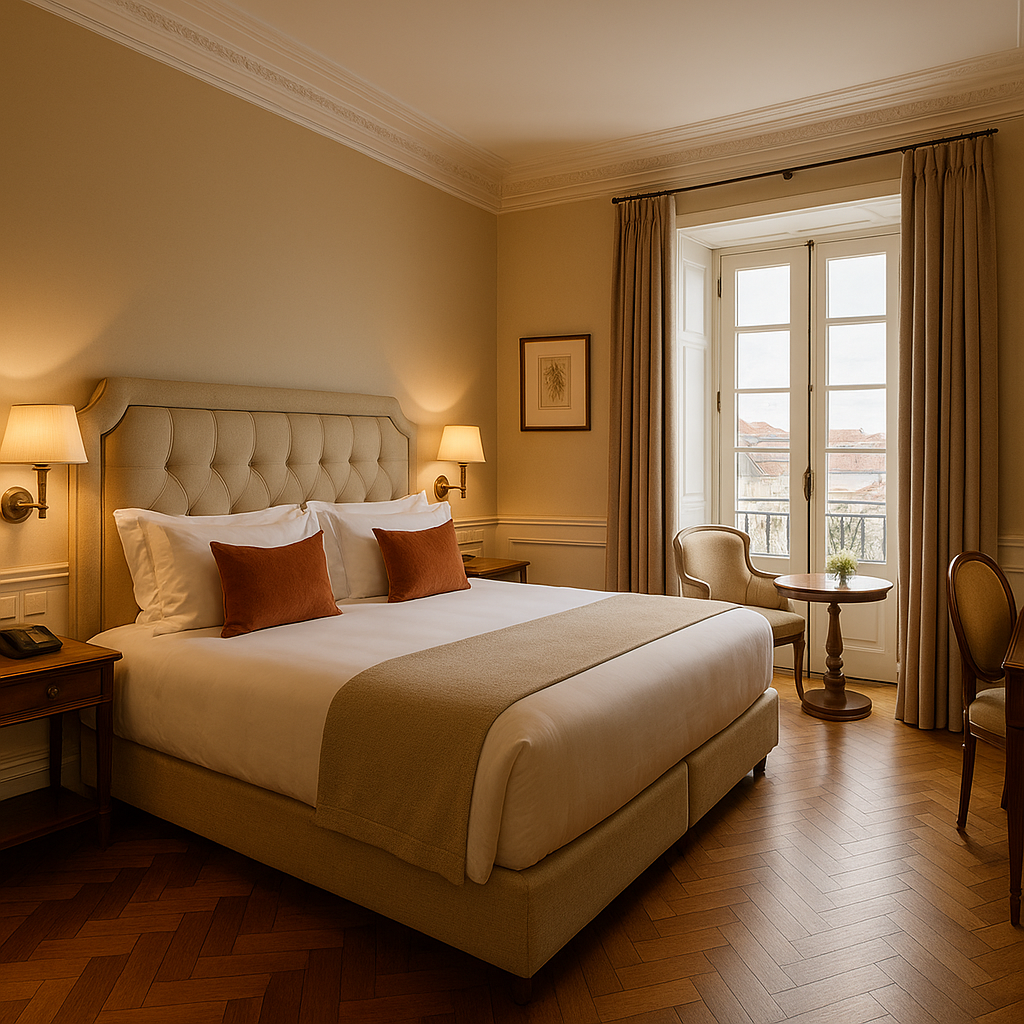
While Belém has some lovely accommodation options, many visitors choose to stay in more central Lisbon neighbourhoods like Baixa, Chiado, or Alfama, and visit Belém as a day trip. This offers a wider choice of hotels and easy access to other parts of the city.