Nestled along the Tagus River estuary, Belém is a district steeped in maritime history and architectural grandeur, best known for its iconic Tower. This charming Lisbon neighbourhood, a UNESCO World Heritage site, invites visitors to step back in time and witness the golden age of Portuguese exploration. From its majestic monuments to its tranquil riverside promenades, Belém offers a unique blend of cultural immersion and scenic beauty. Join us as we uncover the enduring allure of this historic gem.
A Brief History of Belém Tower Revealed: Unlocking the Secrets and Beauty of Lisbon's Historic Gem
The Belém Tower, or Torre de Belém, stands as a formidable symbol of Portugal's Age of Discovery. Constructed in the early 16th century, between 1514 and 1519, under the reign of King Manuel I, it served originally as a fortress to defend the Tagus estuary and as a ceremonial gateway to Lisbon. Designed by Francisco de Arruda, its distinctive Manueline style, characterised by intricate nautical motifs, armillary spheres, and crosses of the Order of Christ, reflects the nation's seafaring prowess and global ambitions. Beyond its defensive role, the tower also functioned as a customs house and even a political prison over the centuries, bearing witness to pivotal moments in Portuguese history. Its strategic location at the mouth of the river made it the last sight for Portuguese navigators departing on their epic voyages and the first welcome upon their return. The surrounding Belém district itself blossomed during this period, becoming the departure point for Vasco da Gama's pioneering journey to India and the site of many royal celebrations and maritime endeavours. Today, the tower, alongside the Jerónimos Monastery, stands as a UNESCO World Heritage site, inviting contemplation of a bygone era when Portugal charted new worlds. Its enduring presence continues to captivate, offering a tangible link to a rich past that shaped both Portugal and the wider world.Food and Drink in Belém Tower Revealed: Unlocking the Secrets and Beauty of Lisbon's Historic Gem
Belém offers a delightful array of culinary experiences, from traditional Portuguese fare to modern gastronomic delights, all set against the backdrop of its historic charm. No visit is complete without indulging in the world-famous Pastéis de Belém. These warm, flaky custard tarts, baked to a secret recipe since 1837, are an absolute must-try, best enjoyed with a sprinkle of cinnamon and icing sugar. The historic factory, Fábrica dos Pastéis de Belém, is an institution in itself, often bustling with eager patrons. Beyond this iconic sweet treat, the neighbourhood boasts numerous excellent restaurants. For those seeking traditional Portuguese cuisine, establishments near the waterfront often serve fresh seafood, including the ubiquitous bacalhau (codfish) prepared in myriad ways, alongside robust meat dishes. Many eateries feature outdoor seating, perfect for enjoying the mild Lisbon weather and the lively atmosphere. Consider exploring the less touristy side streets for more authentic, family-run tascas offering excellent value and genuine local flavours. For a more contemporary dining experience, the area around the Belém Cultural Centre (CCB) and MAAT provides trendy cafés and upscale restaurants with stunning river views, ideal for a leisurely lunch or a sophisticated evening meal. Whether you crave a quick snack or a gourmet feast, Belém’s culinary landscape promises to satisfy every palate.For the best experience, visit the Belém Tower early in the morning or late afternoon to avoid the busiest crowds and capture stunning photographs in the softer light.
Getting to Belém Tower Revealed: Unlocking the Secrets and Beauty of Lisbon's Historic Gem
Belém is easily accessible from central Lisbon, offering a pleasant journey along the river. While a leisurely walk from areas like Alcântara is feasible for some, covering approximately 30-40 minutes, the most comfortable way to reach Belém from further afield is with a private driver — we recommend our local partner Portugal Magik. This allows for a direct, stress-free transfer directly to your desired landmark. Alternatively, taxis and ride-hailing services like Uber or Bolt are readily available throughout Lisbon and provide a convenient door-to-door option. For a scenic local experience within the city, consider a short ride on the historic yellow tram, which offers a charming, albeit often crowded, journey along the waterfront. The drive from central Lisbon, depending on traffic, typically takes around 15-20 minutes, offering picturesque views of the Tagus River as you approach this historic district.Frequently Asked Questions
Where is Belém Tower located?
The Belém Tower is situated in the Belém district of Lisbon, Portugal, right on the northern bank of the Tagus River estuary. It's approximately 6 kilometres west of central Lisbon.
Is the Belém neighbourhood walkable?
Yes, Belém is exceptionally walkable. Its main attractions, including the Tower, Jerónimos Monastery, and Monument to the Discoveries, are all within easy strolling distance of each other, making it perfect for exploration on foot.
Is Belém safe for tourists?
Belém is generally considered a very safe neighbourhood for tourists. Standard precautions against pickpocketing, especially in crowded areas around major attractions, are always advisable, but serious crime is rare.
What is the best time to visit Belém Tower and the neighbourhood?
The best time to visit is typically during the shoulder seasons of spring (April-May) or autumn (September-October) when the weather is pleasant and crowds are smaller. Early mornings or late afternoons are ideal for visiting the Tower itself to avoid peak tourist times.
Are there good restaurants in Belém?
Absolutely. Beyond the famous Pastéis de Belém, the neighbourhood offers a range of dining options from traditional Portuguese tascas serving fresh seafood to more contemporary restaurants with river views. You'll find options to suit various tastes and budgets.
Where should I stay in Belém?
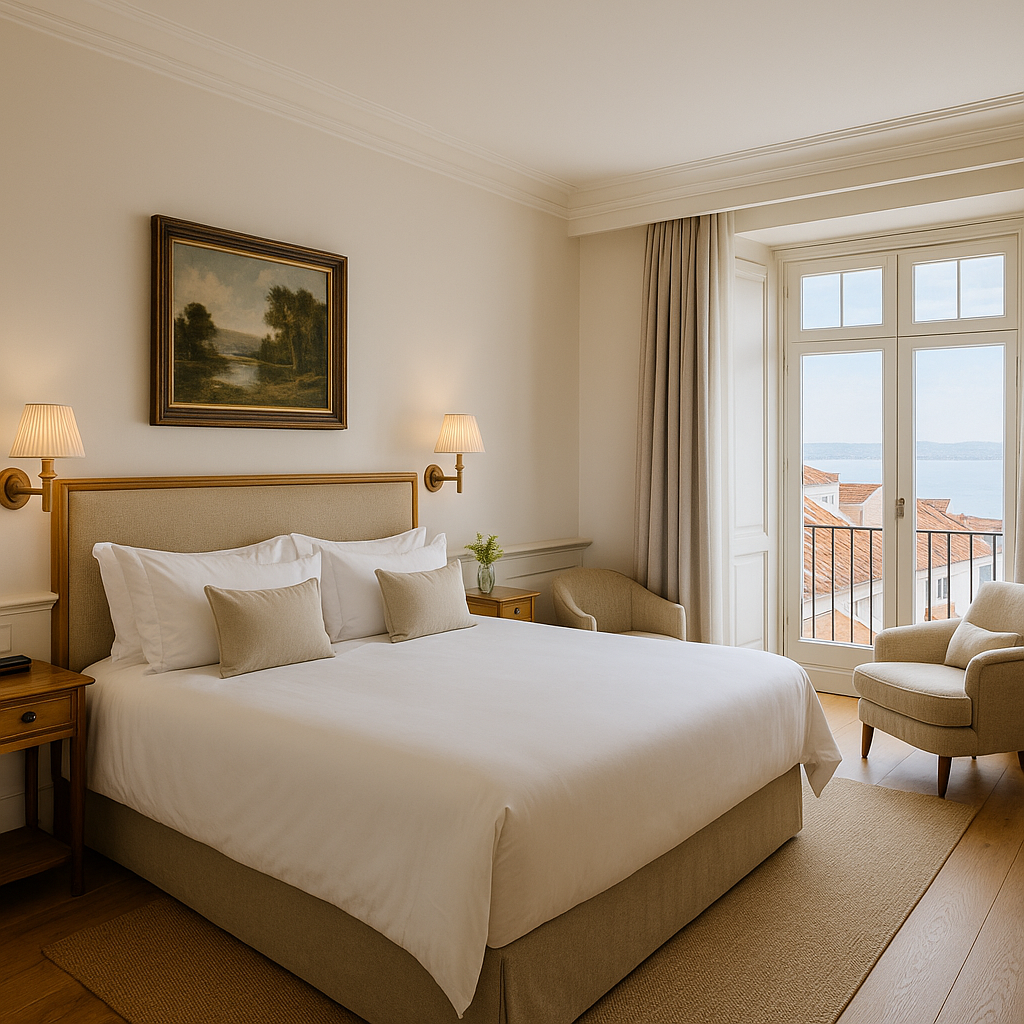
While Belém offers a quieter atmosphere than central Lisbon, accommodation options are somewhat limited compared to other districts. There are a few boutique hotels and guesthouses. Many visitors choose to stay in central Lisbon and travel to Belém for day trips, which is easily managed with a private driver or taxi.