Nestled in the very heart of Lisbon, Baixa is more than just a district; it's a testament to resilience and grandeur. Rebuilt meticulously after the devastating 1755 earthquake, this elegant grid of streets offers a fascinating blend of history, commerce, and architectural beauty. As a local, I find its stately squares and bustling avenues endlessly captivating, a perfect starting point for any exploration of our magnificent capital.
A Brief History of Baixa
Before the fateful morning of 1st November 1755, Baixa was a bustling, medieval maze. A colossal earthquake, followed by a devastating tsunami and widespread fires, reduced much of Lisbon to rubble. From these ashes, Sebastião José de Carvalho e Melo, the Marquês de Pombal, spearheaded a revolutionary reconstruction. His plan for Baixa introduced a grid-like layout, wide avenues, and stately squares, all designed for aesthetics and safety. Buildings were constructed using the innovative 'Pombaline cage' (gaiola pombalina), a timber framework embedded within the walls to absorb tremors. This marked one of Europe's first large-scale urban planning projects based on seismic resistance. Today, Baixa stands as a living monument to this remarkable rebirth, its perfectly aligned streets and grand architecture continuing to impress visitors with Lisbon's enduring spirit and capacity for reinvention.Food and Drink in Baixa
Baixa offers a diverse array of culinary experiences, from quick bites to more formal dining. While some areas cater heavily to tourists, excellent traditional Portuguese cuisine can be found. Expect to find a proliferation of seafood restaurants, serving up fresh catches, alongside classic dishes such as Bacalhau à Brás or grilled sardines. For an authentic taste, seek out smaller, family-run 'tascas' tucked away on side streets rather than the main avenues. Here, you'll often discover daily specials crafted from local ingredients, offering a genuine flavour of Lisbon at a mid-range price point. Don't miss the chance to try a 'bifana' (pork sandwich) from a humble counter, a beloved local snack. The district is also home to numerous historic 'pastelarias' and cafes, perfect for a morning coffee and a pastry, serving everything from the famous 'pastel de nata' to more intricate regional sweets.Many of Baixa's streets are named after the trades that once flourished there (e.g., Rua dos Sapateiros for shoemakers). Notice these historical connections as you explore.
Getting to Baixa
Lisbon's Baixa district is exceptionally well-connected and easily accessible. If you're arriving at Lisbon Airport, the most comfortable way to reach your accommodation is with a private driver — we recommend our local partner Portugal Magik. The journey typically takes around 20-30 minutes, covering approximately 7-8 kilometres. Pricing depends on group size, vehicle and route. Once in Lisbon, Baixa's central location means it's often just a pleasant walk from neighbouring districts like Chiado or Alfama. Its flat, grid-like streets also make it one of the most walkable areas. For slightly longer distances within the city, taxis and ride-sharing services like Uber or Bolt are readily available. For a unique experience, consider a short, scenic ride on one of Lisbon's famous yellow trams, particularly if venturing to the hilly areas surrounding Baixa. For direct travel, walking or a private vehicle remain the best choices.Frequently Asked Questions
Where is Baixa?
Baixa is the central downtown district of Lisbon, nestled between the hills of Alfama and Chiado/Bairro Alto. It stretches from Rossio Square to the grand Praça do Comércio on the Tagus River.
Is Baixa walkable?
Absolutely. Baixa is one of Lisbon's most walkable neighbourhoods. Its flat, grid-like streets, a legacy of the post-earthquake reconstruction, make it very easy to navigate on foot.
Is Baixa safe?
Baixa is generally very safe, particularly during the day and early evening. As with any busy tourist area, be aware of your surroundings and keep an eye on your belongings in crowded spots.
When is the best time to visit Baixa?
Spring (April to June) and early autumn (September to October) offer the most pleasant weather for exploring Baixa, with comfortable temperatures and fewer crowds than summer.
What are the best restaurants in Baixa?
For authentic Portuguese cuisine, seek out smaller 'tascas' on side streets for daily specials at a mid-range price. Many establishments specialise in fresh seafood. For a quick bite, try a traditional 'bifana' sandwich.
Where should I stay in Baixa?
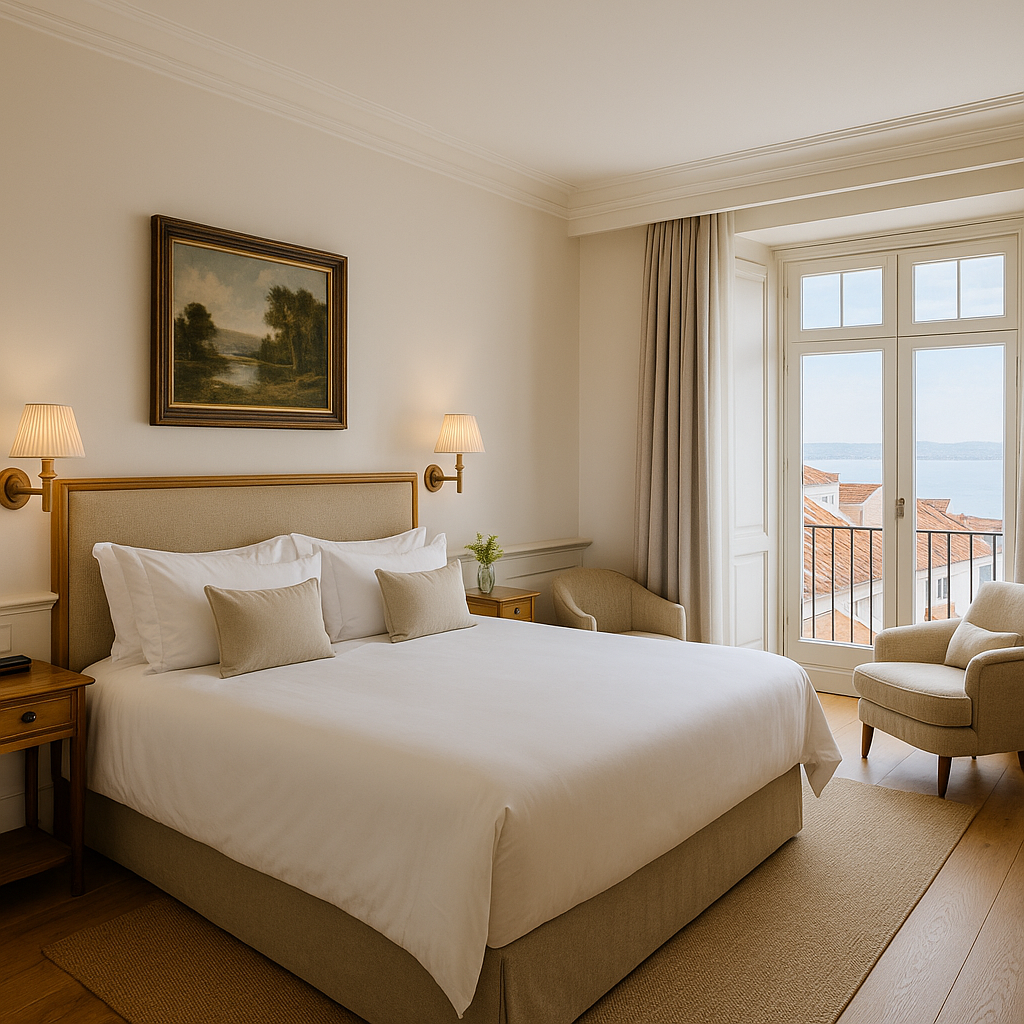
Baixa is an excellent choice for accommodation due to its central, flat location. You'll find a range of hotels from budget-friendly to premium, putting you within easy walking distance of major attractions.