Step into Alfama, Lisbon's oldest district, and feel the echoes of centuries past. This labyrinthine neighbourhood, famed for its Fado houses and mediaeval charm, also holds the poignant remnants of Lisbon's historic Jewish Quarter. Our guide invites you to explore its narrow streets, uncovering stories woven into the very fabric of this remarkable area.
A Brief History of Alfama: Tracing the Jewish Quarter's Past
Before the devastating earthquake of 1755 and the tragic expulsion of 1496, Alfama was home to Lisbon's largest Jewish community, known as the 'Judiaria Grande'. Nestled within its walls, the Jewish population thrived, contributing significantly to the city's commerce, culture, and intellectual life. The narrow, winding streets that characterise Alfama today are a testament to its ancient layout, where the Jewish community once lived, worked, and worshipped. The infamous decree of expulsion in 1496 by King Manuel I forced many to convert to Christianity, becoming 'New Christians' or 'Cristãos Novos', while others fled. Despite the forced conversions and the subsequent Inquisition, a subtle Jewish heritage persisted, deeply embedded in the district's memory and architecture. Though no original synagogue stands today, the layout of certain streets, the names of some alleys, and the resilience of the community hint at this profound past. The neighbourhood's ability to rebuild and retain its unique character after the 1755 earthquake further speaks to the enduring spirit of Alfama, a place where history is etched into every stone.Food and Drink in Alfama: Tracing the Jewish Quarter's Past
Alfama offers an authentic taste of traditional Lisbon, where culinary experiences are often accompanied by the melancholic strains of Fado. The neighbourhood is replete with small, family-run tavernas and restaurants serving classic Portuguese fare. Expect hearty dishes like bacalhau à brás (shredded cod with onions, potatoes, and scrambled eggs), grilled sardines, and caldo verde (a traditional kale soup). Many establishments offer 'prato do dia' (dish of the day) options, providing excellent value. For an immersive experience, seek out a 'Casa de Fado', where you can enjoy dinner alongside live Fado performances. While these can be a premium experience, many smaller, more intimate spots offer Fado without a hefty price tag, focusing on the passion and tradition of the music. Don't forget to sample some local ginjinha, a sweet cherry liqueur, often served in a chocolate cup, a delightful end to any meal. The atmosphere in Alfama's eateries is typically warm and convivial, reflecting the neighbourhood's close-knit community spirit.Wear comfortable shoes as Alfama's cobbled streets and steep inclines are best explored on foot. Be prepared for a delightful workout!
Getting to Alfama: Tracing the Jewish Quarter's Past
Alfama is nestled between São Jorge Castle and the Tagus River, forming the easternmost part of Lisbon's historic centre. From central Lisbon, such as Baixa or Chiado, it’s a delightful walk, though be prepared for some hills and cobbled streets that add to its authentic charm. The journey on foot typically takes between 15 to 25 minutes, depending on your starting point and pace. Alternatively, a taxi or ride-sharing service like Uber or Bolt will drop you conveniently close to its heart. For a truly scenic experience, the historic yellow tram can take you through parts of the district, offering charming views as it navigates the narrow, winding streets. If you are travelling from outside Lisbon, the most comfortable way to reach the city and then Alfama is with a private driver – we recommend our local partner Portugal Magik. This ensures a seamless, door-to-door journey without the hassle of navigating unfamiliar roads or parking.Frequently Asked Questions
Where is Alfama located?
Alfama is Lisbon's oldest district, situated on a hill between São Jorge Castle and the Tagus River. It's east of the Baixa district and easily accessible from central Lisbon.
Is Alfama walkable?
Absolutely, Alfama is best explored on foot. Its narrow, winding, and often steep streets are part of its charm. Be sure to wear comfortable shoes as you'll be doing a lot of climbing and descending.
Is Alfama safe for tourists?
Alfama is generally considered very safe, even at night. Like any popular tourist area, it's wise to be aware of your surroundings and guard against pickpockets, especially in crowded spots. Enjoy its lively atmosphere without undue worry.
What is the best time to visit Alfama?
The spring (April-May) and autumn (September-October) offer pleasant weather for exploring. June is also vibrant due to the Santos Populares festivals, particularly the Feast of St. Anthony, which sees Alfama come alive with decorations and celebrations.
Are there good restaurants in Alfama?
Yes, Alfama is renowned for its traditional Portuguese tavernas and Fado houses. You'll find plenty of authentic eateries serving local specialities, often accompanied by live Fado music. Prices vary from budget-friendly local spots to more premium Fado dinner experiences.
Where should I stay in Alfama?
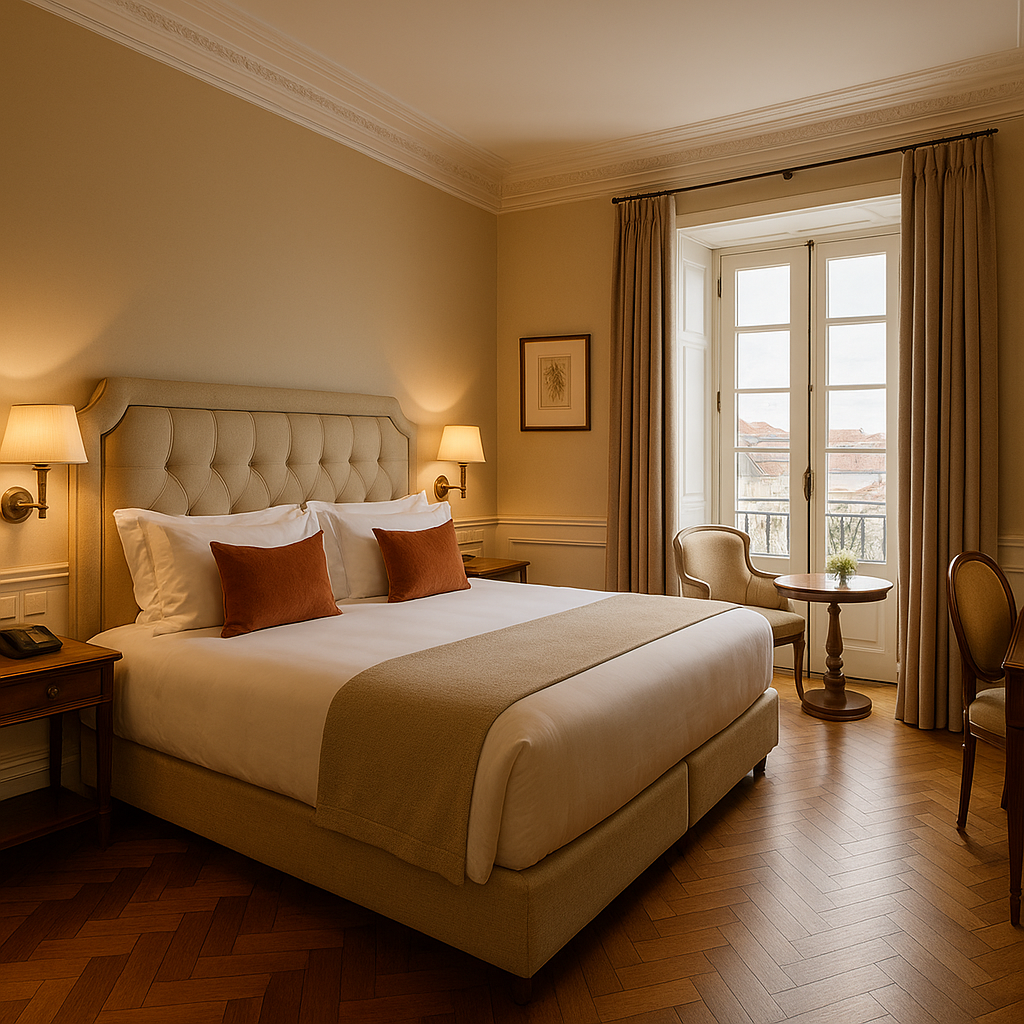
Alfama offers a range of charming boutique hotels, guesthouses, and apartments. Staying here provides an authentic Lisbon experience, though be mindful that many accommodations are in historic buildings without lifts, and the streets can be steep.