Step into Alfama, Lisbon's oldest and most captivating district, where history whispers from every cobbled lane and sun-drenched square. This labyrinthine neighbourhood, a resilient survivor of the 1755 earthquake, retains its authentic charm and vibrant soul. Join a local writer on a journey to uncover five quintessential spots that truly reveal the essence of Alfama, from its ancient roots to its lively modern spirit.
A Brief History of Alfama Revealed: 5 Quintessential Spots
Alfama, derived from the Arabic 'Al-hamma', meaning 'hot springs', tells a profound story of Lisbon's origins. For centuries, it was the city's largest district, a melting pot of cultures. Its unique urban fabric, a maze of narrow streets and tiny squares, reflects its Moorish past, making it a stark contrast to the grid-patterned Baixa. Miraculously, Alfama largely withstood the devastating 1755 earthquake, preserving much of its mediaeval layout and architecture. This resilience is palpable as you wander through its ancient pathways, discovering hidden courtyards and venerable churches. It's also the spiritual home of Fado, Portugal's soulful musical expression, born in these very streets among the working class. Today, Alfama remains a vibrant residential area, where laundry hangs from balconies, neighbours chat across alleyways, and the aroma of grilled sardines fills the air, inviting visitors to experience authentic Lisbon.Food and Drink in Alfama Revealed: 5 Quintessential Spots
Alfama's culinary scene is as authentic and charming as its streets, deeply rooted in traditional Portuguese flavours. Here, you'll find an abundance of small, family-run tascas and restaurants serving hearty, unpretentious meals. Grilled sardines, especially during the Santos Populares festivals in June, are an absolute must-try, their smoky aroma defining the essence of Alfama. Bacalhau à Brás and Arroz de Marisco are also ubiquitous. For an unforgettable evening, seek out a Casa de Fado, where you can enjoy a traditional dinner accompanied by live Fado performances. These intimate venues offer a truly immersive cultural experience, often tucked away in historic buildings. Remember to sample some local ginjinha, a sweet cherry liqueur, typically served in a chocolate cup, from one of the tiny bars. Dining in Alfama is not just about the food; it's about the atmosphere, the history, and the soulful connections made over a shared meal.Wear comfortable shoes as Alfama's steep, cobbled streets are best explored on foot, revealing hidden corners and stunning vistas.
Getting to Alfama Revealed: 5 Quintessential Spots
Alfama is centrally located in Lisbon and remarkably accessible, though its ancient, narrow streets are best navigated on foot. From the Baixa district, it's a pleasant uphill walk, offering stunning views. Alternatively, a taxi or ride-sharing service like Uber or Bolt can drop you at one of the main entrances or viewpoints, such as Portas do Sol or Santa Luzia, saving you the climb. For a truly iconic Lisbon experience, consider a scenic ride on the historic yellow tram, which winds its way through some of Alfama's most picturesque areas. If you are arriving from outside Lisbon, the most comfortable way to reach your accommodation in or near Alfama is with a private driver — we recommend our local partner Portugal Magik. This ensures a smooth, door-to-door transfer directly to your chosen address.Frequently Asked Questions
Where exactly is Alfama located in Lisbon?
Alfama is situated on a hillside between São Jorge Castle and the Tagus River estuary, in the southeastern part of central Lisbon. It’s one of the city's oldest and most historic districts.
Is Alfama walkable?
Absolutely. Alfama is best explored on foot. Be prepared for steep hills, numerous steps, and uneven cobblestones, but the rewards are stunning views and charming discoveries. Comfortable footwear is essential.
Is Alfama safe for visitors?
Alfama is generally considered very safe for visitors, day and night. As with any popular tourist area, be mindful of your belongings and surroundings, particularly in crowded spots.
What is the best time of year to visit Alfama?
Spring (April to May) and early autumn (September to October) offer the most pleasant weather. June is vibrant due to the Santos Populares festivals, though it can be very busy.
Can I find traditional Fado restaurants in Alfama?
Yes, Alfama is the birthplace of Fado. You'll find numerous traditional Fado houses (Casas de Fado) offering authentic Portuguese cuisine alongside live Fado performances. Booking ahead is often recommended.
Are there good accommodation options in Alfama?
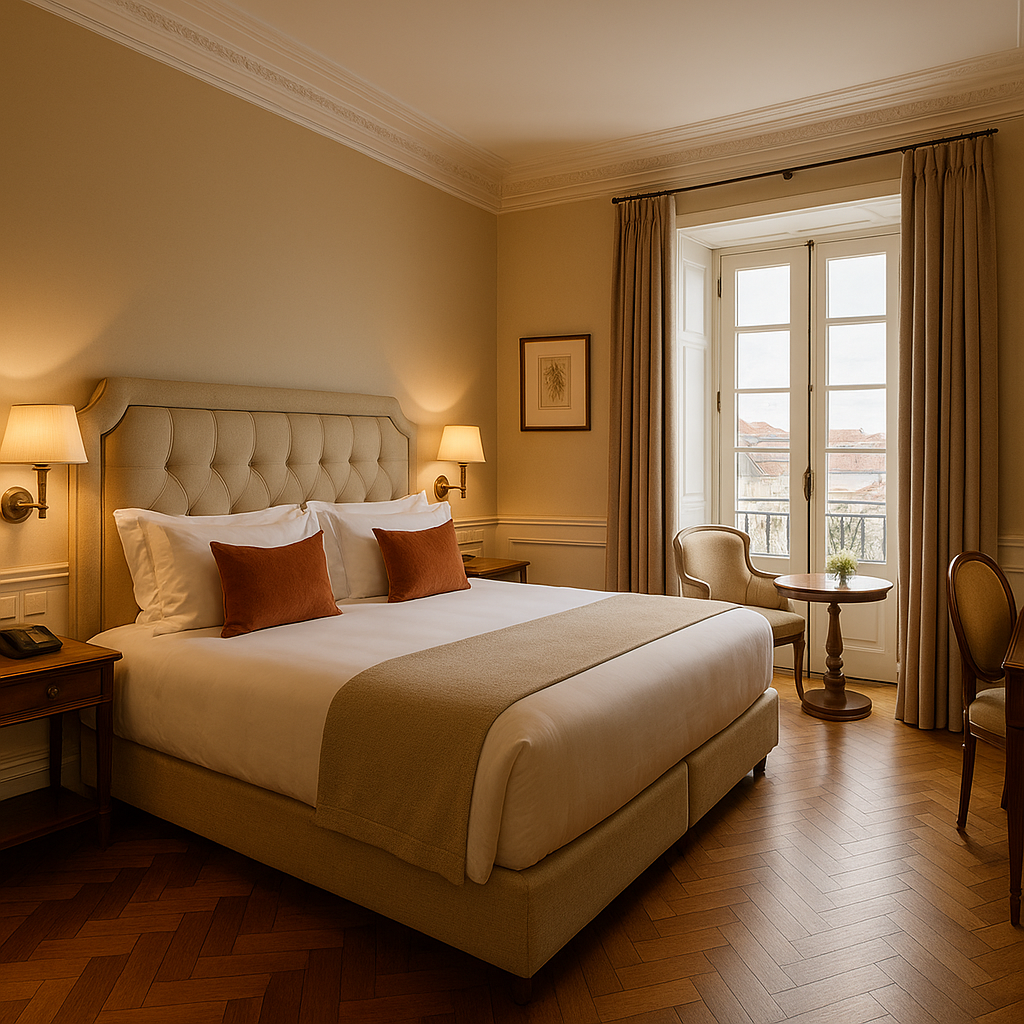
Alfama offers a range of charming accommodation, from boutique hotels to traditional guesthouses and holiday apartments. Staying here provides an immersive experience in the heart of old Lisbon.