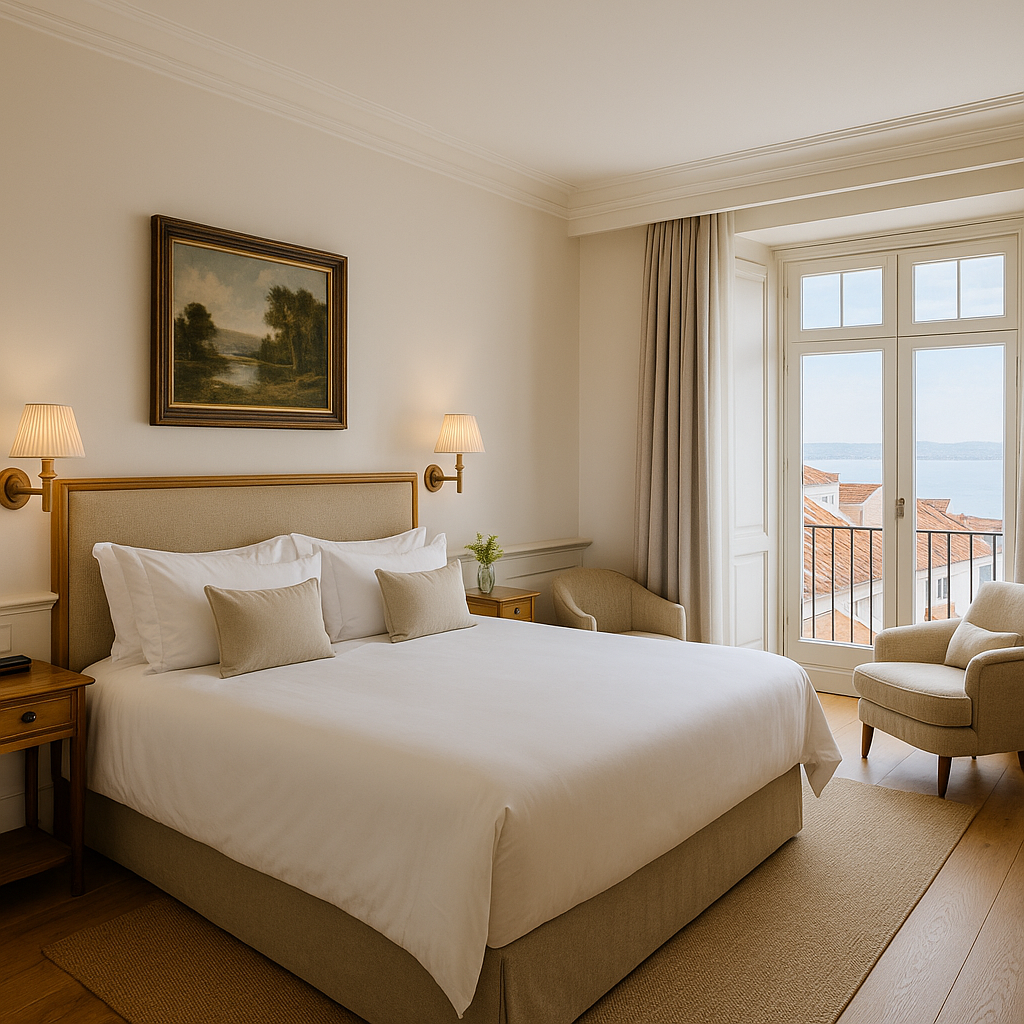
Step into Alfama, Lisbon's soul, where ancient history whispers from every narrow alley and sun-drenched square. This venerable district, nestled beneath the majestic São Jorge Castle, offers a journey through time, revealing the city's Moorish past and resilient spirit. Prepare to lose yourself amidst its labyrinthine streets, discovering breathtaking viewpoints, traditional Fado houses, and authentic local life around every corner.
Alfama's Enduring Legacy: A Journey Through Time
Alfama, meaning 'hot springs' or 'baths' in Arabic, is Lisbon's oldest district, its foundations laid by the Visigoths and later shaped profoundly by the Moors. For centuries, it was the city's entire extent, a bustling port area inhabited by fishermen and sailors. Crucially, Alfama largely withstood the devastating 1755 earthquake, preserving its medieval street plan and character. This resilience means that wandering its alleys today is akin to stepping back into pre-earthquake Lisbon. The district's architecture, a captivating blend of Roman, Moorish, and medieval influences, tells tales of invasions and maritime adventures. It's the birthplace of Fado, Portugal's melancholic song, which emerged from these very streets, expressing the longing and resilience of its people. Every stone and archway in Alfama holds a piece of Lisbon's enduring legacy, inviting visitors to uncover its rich, layered past.Culinary Delights and Local Flavours of Alfama
Alfama's culinary scene is as authentic and traditional as its winding streets. Here, you'll find a delightful array of tascas (traditional taverns) and family-run restaurants serving up classic Portuguese fare. Fresh seafood, caught daily, is a staple, with grilled sardines being a local favourite, especially during the Santo António festivities in June. Look out for bacalhau à brás (shredded cod with onions, potatoes, and scrambled eggs) or arroz de marisco (seafood rice), prepared with recipes passed down through generations. Many Fado houses in Alfama offer a full dining experience, allowing you to savour a traditional meal while being serenaded by live Fado performances – a truly immersive cultural experience. Don't forget to try ginjinha, the beloved sour cherry liqueur, often served in a chocolate cup, from a small bar or kiosk. For a sweet treat, pastel de nata can be found in various local pastelerias. Dining in Alfama is not just about the food; it's about the atmosphere and the timeless tradition.Wear comfortable, sturdy shoes. Alfama's cobbled streets are steep and uneven, making them charming but challenging for unsuitable footwear.
Reaching Alfama: Your Gateway to Historic Lisbon
Alfama is centrally located within Lisbon, making it readily accessible from most parts of the city. For those staying nearby, walking is an excellent way to approach the district, allowing you to appreciate the transition from modern Lisbon to its ancient heart. Be prepared for uphill climbs and numerous steps, as Alfama is built on a steep hillside. Alternatively, taxis or ride-sharing services like Uber and Bolt can drop you off at convenient points around the perimeter of the neighbourhood, such as near the Lisbon Cathedral or Portas do Sol, saving you from some of the steeper ascents. For a truly iconic, albeit often crowded, local experience, a short, scenic ride on the historic Tram 28 can take you through the winding streets of Alfama. For a comfortable and direct arrival to your accommodation or a specific point within Alfama from outside the city, the most comfortable way is with a private driver — we recommend our local partner Portugal Magik. From Lisbon Airport (LIS), a private transfer to Alfama typically takes around 20-30 minutes, depending on traffic.Frequently Asked Questions
Where exactly is Alfama located in Lisbon?
Alfama is located between São Jorge Castle and the Tagus River, on the southeastern side of Lisbon's historic centre, making it one of the city's oldest districts.
Is Alfama a walkable neighbourhood?
Yes, Alfama is best explored on foot. Its narrow, cobbled streets and numerous staircases are not car-friendly. Expect steep inclines, so comfortable shoes are essential.
Is Alfama safe for visitors?
Alfama is generally very safe, even at night, boasting a strong community feel. As in any popular area, remain aware of your belongings, particularly in crowded spots.
What is the best time of year to visit Alfama?
Spring (April-May) and early autumn (September-October) offer pleasant weather, avoiding summer heat and crowds. June is vibrant for Santo António festivities, albeit very busy.
Are there good restaurants in Alfama?
Yes, Alfama is renowned for authentic Portuguese tascas and Fado restaurants. Expect family-run establishments serving traditional dishes, fresh seafood, often with live Fado music.
Where should I stay in Alfama?
Alfama offers charming boutique hotels, guesthouses, and apartments, often in historic buildings. It provides an immersive experience into Lisbon's traditional heart with easy access to sights.