Step into Alfama, Lisbon's most ancient district, and feel the city's history come alive. This labyrinthine neighbourhood, with its narrow cobbled streets and sun-drenched squares, is a true postcard of traditional Lisbon. From the mournful melodies of Fado to the aroma of grilled sardines, Alfama offers an authentic glimpse into the soul of the Portuguese capital, beckoning you to get wonderfully lost.
A Brief History of Alfama District / in Lisbon
Alfama's story stretches back to the Moorish occupation, its name deriving from the Arabic 'al-hamma', meaning 'hot fountains' or 'baths'. Unlike much of Lisbon, Alfama largely survived the devastating 1755 earthquake, which explains its unique, pre-quake street plan and architectural character. Originally situated outside the city walls, it was a district for fishermen and the poor, a heritage still evident in its close-knit community and traditional tavernas. Its steep, winding alleys reveal layers of history, from Roman foundations to medieval churches. It is also the undisputed birthplace of Fado, Lisbon's soulful musical expression, which emerged from these very streets as a voice for the working class and the melancholic spirit of saudade. Today, Alfama beautifully preserves its historic charm, a living testament to Lisbon's enduring past.Food and Drink in Alfama District / in Lisbon
Alfama is a gastronomic journey back in time, where traditional Portuguese flavours reign supreme. Dining here is often an intimate affair, with small, family-run tascas and restaurants serving up hearty, authentic dishes. Expect freshly grilled fish, particularly sardines during the summer Santo António festivities, bacalhau (codfish) prepared in countless ways, and succulent meat dishes such as 'cozido à Portuguesa'. Many establishments double as Fado houses, offering a unique opportunity to enjoy a traditional meal accompanied by live Fado performances – an experience that truly defines the district. Pair your meal with a crisp vinho verde or a robust red from the Alentejo region. For a casual bite, seek out local petiscos (Portuguese tapas) or simply enjoy a strong espresso at a pavement café while soaking in the neighbourhood's timeless atmosphere.Wear comfortable, sturdy shoes. Alfama's cobbled streets are charming but uneven, and the district is famously hilly. You'll be doing a lot of walking, often uphill.
Getting to Alfama District / in Lisbon
Alfama's central location makes it readily accessible, though its steep inclines mean some effort is required. The most rewarding way to experience Alfama is on foot, allowing you to truly immerse yourself in its atmosphere and discover its hidden nooks. From the Baixa district, it's a pleasant, albeit uphill, walk of around 15-20 minutes to reach the lower parts of Alfama. Alternatively, for those seeking convenience, taxis or ride-sharing services like Uber and Bolt can drop you close to many of Alfama's key attractions. For a truly iconic Lisbon experience, consider a ride on the historic Tram 28, which gracefully navigates the narrow streets of Alfama, offering a scenic journey through the district. Remember, exploring Alfama is about discovery, so embrace the walk and let the district reveal its charms to you.Frequently Asked Questions
Where is Alfama located?
Alfama is situated on a hill between São Jorge Castle and the Tagus River, in the eastern part of central Lisbon. It is one of the city's oldest districts.
Is Alfama walkable?
Absolutely, Alfama is best explored on foot. Be prepared for steep hills and uneven, cobbled streets, so comfortable footwear is essential. While challenging, walking offers the most authentic experience.
Is Alfama safe for tourists?
Yes, Alfama is generally considered safe for tourists. As with any popular tourist area, it's wise to be aware of your surroundings, especially in crowded spots or at night, and guard against petty theft.
What is the best time to visit Alfama?
Spring (April-May) and early autumn (September-October) offer pleasant weather for exploring. June is also popular for the Santo António festivities, which bring a lively atmosphere, though it can be more crowded. Early mornings are ideal for peaceful wandering.
What kind of restaurants can I find in Alfama?
Alfama is renowned for its traditional Portuguese tascas and Fado houses. You'll find authentic, hearty cuisine, including grilled fish, bacalhau dishes, and local petiscos, often accompanied by live Fado music in the evenings.
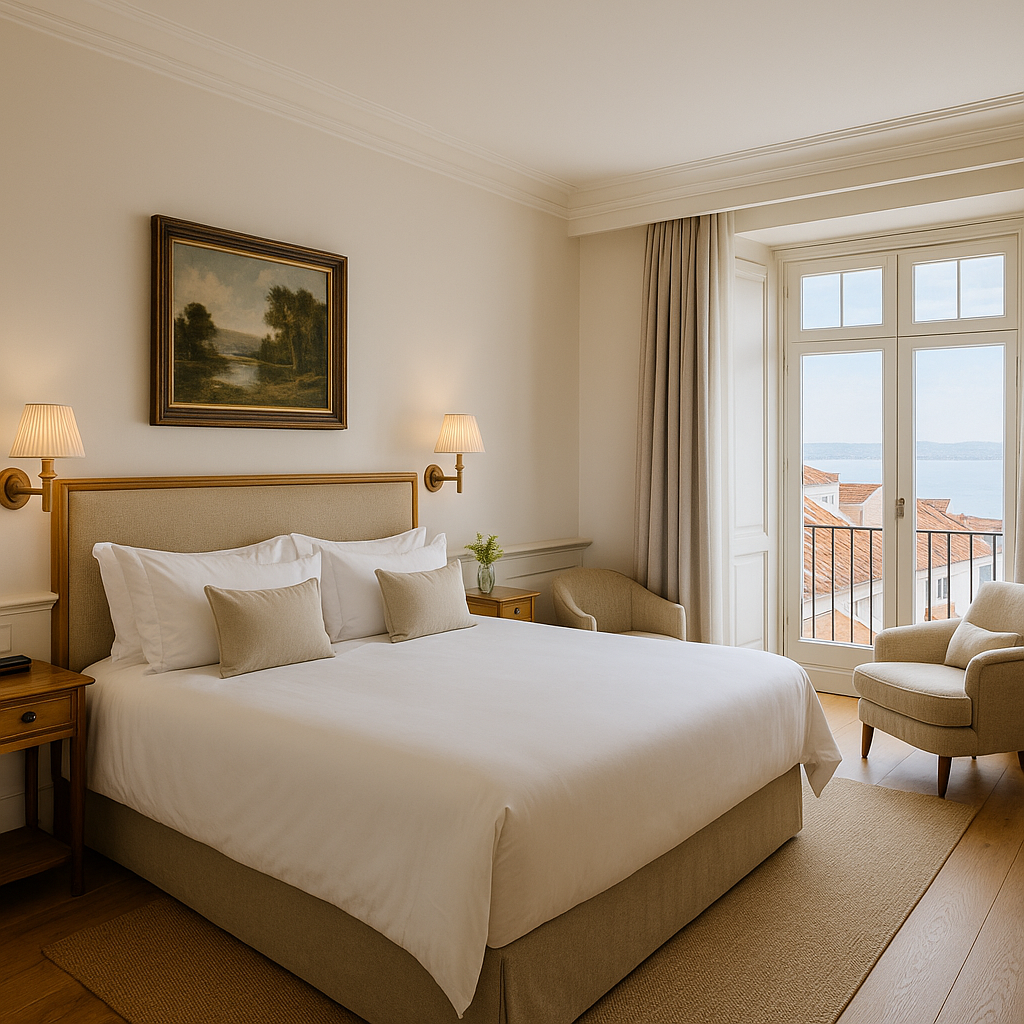
Where should I stay in Alfama?
Alfama offers a range of charming guesthouses, boutique hotels, and apartments, many housed in historic buildings. Staying here provides an immersive experience, with easy access to traditional Fado and stunning viewpoints.