Welcome to Alfama, Lisbon's soul-stirring ancient quarter. As a local writer, I find endless inspiration in its labyrinthine lanes, sun-drenched squares, and the melancholic strains of Fado drifting from open doorways. This guide invites you to peel back the layers of history and experience the authentic pulse of Lisbon, right where it all began.
A Brief History of Alfama
Alfama, meaning 'hot springs' or 'baths' in Arabic, is Lisbon's oldest district, a testament to the city's enduring spirit. Its foundations trace back to Roman times, but it truly blossomed under Moorish rule, becoming a vibrant quarter with narrow streets designed to confuse invaders. Miraculously, Alfama largely survived the devastating 1755 earthquake, preserving its medieval layout and distinct character while much of Lisbon was rebuilt. This resilience imbues the neighbourhood with a profound sense of history, evident in every archway and cobblestone alley. Once outside the city walls, it was home to fishermen, sailors, and the poor, fostering a unique community spirit that thrives to this day. It's also the birthplace of Fado, Portugal's soulful musical expression, born from the longing and saudade of its residents. Exploring Alfama is like stepping back in time, witnessing the layers of civilisations that have shaped Lisbon into the captivating city it is today. Its very fabric tells tales of conquest, survival, and a deep-rooted cultural identity, making it an essential visit for anyone wishing to understand the heart of the Portuguese capital. The Moorish influence is particularly visible in its architectural style and the winding, irregular street plan, which contrasts sharply with the grid-like Baixa district. This historical depth is what truly defines Alfama, making every corner a discovery.Food and Drink in Alfama
Alfama's culinary scene is as authentic and charming as its streets, deeply rooted in tradition and community. Forget modern dining trends; here, it’s all about honest, flavourful Portuguese fare served in unpretentious settings. The neighbourhood is dotted with countless *tascas* – small, family-run eateries where the daily specials are often written on a whiteboard, and the seafood is incredibly fresh. Expect generous portions of grilled fish, especially the ubiquitous *sardinhas assadas* (grilled sardines) during the summer Santo António festivities, bacalhau dishes prepared in myriad ways, and hearty stews. For an unforgettable evening, seek out a Fado house where dinner is accompanied by live, soulful performances. These establishments offer a truly immersive cultural experience, though it's wise to book ahead. Don’t miss trying *Ginjinha*, a sweet cherry liqueur, often served in a chocolate cup, from one of the tiny local bars. Many of these spots have been serving locals for generations, embodying the true spirit of Lisbon. Whether you're enjoying a simple plate of *petiscos* (Portuguese tapas) with a glass of local wine or a full multi-course meal, Alfama provides a genuine taste of Lisbon that’s both delicious and deeply satisfying. Remember to wander off the main tourist paths to find the most authentic and often more budget-friendly options, where you'll dine alongside locals. The experience here is as much about the atmosphere and the warm hospitality as it is about the food itself.Wear comfortable shoes! Alfama's charming cobblestone streets are steep and winding, making sturdy footwear essential for enjoyable exploration.
Getting to Alfama
Alfama is nestled on a hill, making it a delightfully walkable district, though the steep, winding streets can be quite a workout! For local moves within the city, walking is often the most immersive way to experience its charm. Taxis, Uber, and Bolt services are readily available throughout Lisbon and provide a convenient option for reaching the fringes of Alfama, from where you can then explore on foot. The iconic yellow Tram 28 offers a scenic, albeit often crowded, ride through Alfama's narrow thoroughfares. While a charming experience, it is more of a tourist attraction than a primary mode of transport for getting around efficiently, especially given its popularity. If you are arriving from Lisbon Airport or another Portuguese city, the most comfortable way to reach Alfama directly is with a private driver — we recommend our local partner Portugal Magik. This ensures a smooth, door-to-door transfer, particularly beneficial if you have luggage or prefer to avoid navigating public transport routes. From central Lisbon, a private transfer to Alfama typically takes around 15-20 minutes, depending on traffic, allowing you to begin your exploration refreshed. Once you're within Alfama, embrace the joy of getting lost; it's the best way to discover its true magic.Frequently Asked Questions
Where is Alfama located in Lisbon?
Alfama is situated on a prominent hill between São Jorge Castle and the Tagus River, in the eastern part of central Lisbon.
Is Alfama walkable?
Absolutely, it's best explored on foot. Be prepared for steep, cobblestone streets and comfortable shoes are a must.
Is Alfama safe for tourists?
Alfama is generally very safe, even at night. Like any busy tourist area, it's wise to be aware of your belongings, especially in crowded spots.
What is the best time to visit Alfama?
Spring (April-May) and early autumn (September-October) offer pleasant weather. June is lively with Santo António festivities, but also very crowded.
Are there good restaurants in Alfama?
Yes, Alfama is renowned for its traditional *tascas* and Fado houses, offering authentic Portuguese cuisine and cultural experiences.
Where should I stay in Alfama?
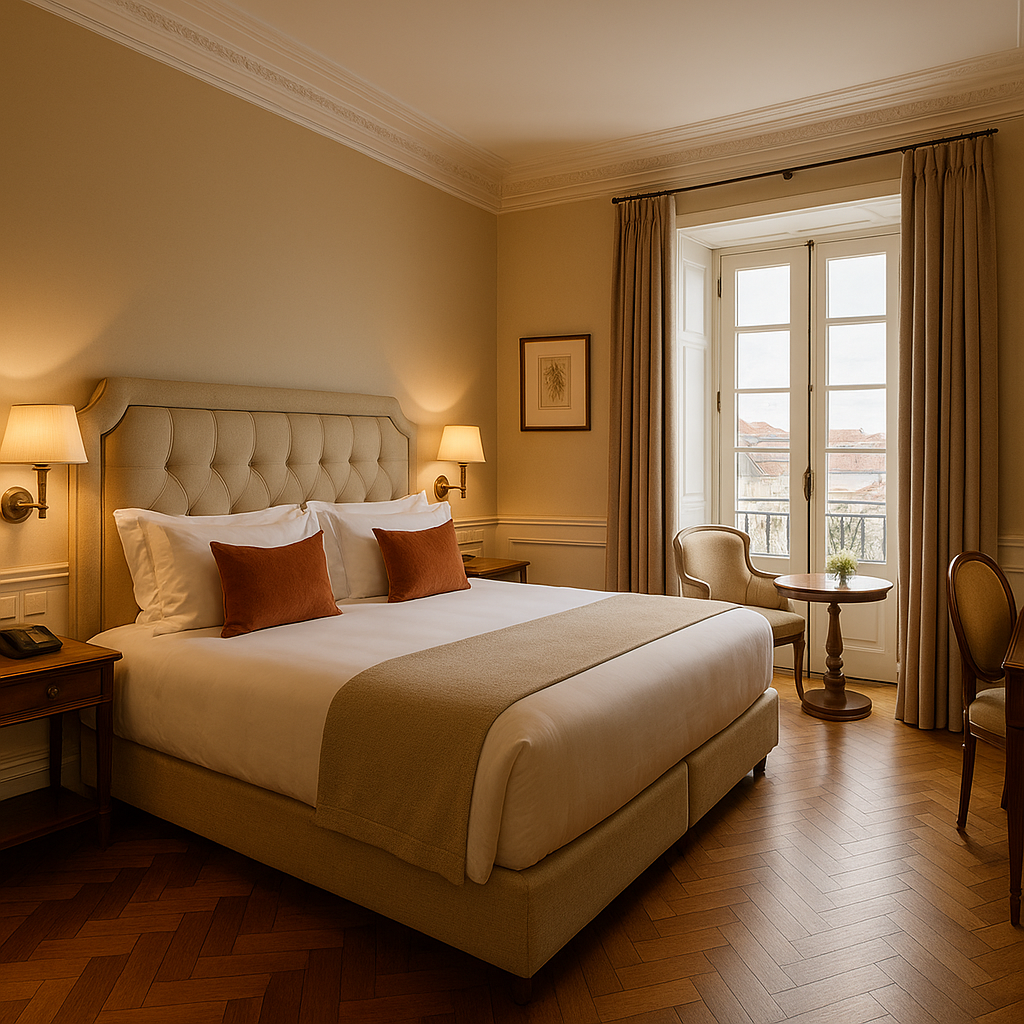
Alfama offers a range of charming guesthouses and boutique hotels, many within renovated historic buildings, providing an immersive stay.