Step into Alfama, Lisbon's most ancient and captivating district, where time seems to slow amidst a labyrinth of narrow streets, hidden squares, and traditional Fado houses. This is the very soul of Lisbon, a place where the echoes of Moorish and Roman pasts blend seamlessly with the vibrant daily life of its resilient community. Prepare for a joyful journey through steep hills and breathtaking vistas, discovering the authentic heart of the city.
A Brief History of Alfama
Alfama, derived from the Arabic 'Al-hamma' meaning 'hot springs' or 'baths', boasts a history as rich and winding as its streets. It was originally outside the city walls in Roman times, becoming a prominent residential area during the Moorish occupation. Unlike much of Lisbon, Alfama largely survived the devastating 1755 earthquake, preserving its medieval layout and unique charm. For centuries, it was home to fishermen and the working class, a character it proudly maintains today. Its tight-knit community, ancient architecture, and deep-rooted traditions, including the melancholic Fado music, tell a story of resilience and cultural endurance. Exploring Alfama is like walking through a living museum, where every corner reveals another layer of Lisbon's extraordinary past.Food and Drink in Alfama
Alfama offers an authentic culinary journey, deeply rooted in Portuguese tradition. Its narrow streets are dotted with 'tascas' and 'tabernas', traditional eateries serving hearty, rustic fare. Expect to find fresh grilled fish, particularly sardines during the Santos Populares festivals in June, alongside staple dishes such as 'Bacalhau à Brás' (shredded cod with onions, potato, and eggs) and 'Arroz de Marisco' (seafood rice). For an unforgettable evening, seek out one of Alfama's many Fado houses, where you can enjoy dinner accompanied by live Fado performances – a truly immersive cultural experience. Don't forget to sample 'Ginjinha', a sweet cherry liqueur, often served in a chocolate cup, a delightful local treat. Many establishments are family-run, offering a warm and welcoming atmosphere that makes every meal feel like a visit to a friend's home.Wear comfortable shoes! Alfama's charm lies in its steep, cobbled streets and countless steps. Embrace getting a little lost; it's often the best way to stumble upon a hidden gem or a breathtaking, unexpected view.
Getting to Alfama
Alfama is easily accessible from Lisbon's city centre, though its hilly terrain means some preparation is advisable. From areas like Baixa or Chiado, you can reach Alfama by a pleasant walk, though be ready for inclines. Alternatively, taxis or ride-sharing services like Uber and Bolt are readily available and can drop you close to many of Alfama's main attractions. For a truly iconic Lisbon experience, consider a scenic ride on the historic yellow tram, which winds its way through the district's narrow streets. If you are arriving from further afield, say from Porto or the Algarve, the most comfortable way to reach Lisbon and then your accommodation is with a private driver — we recommend our local partner Portugal Magik. Once you are in Alfama, the best way to explore its intricate network of alleys and stairways is undoubtedly on foot.Frequently Asked Questions
Where is Alfama located in Lisbon?
Alfama is situated on a steep hill between São Jorge Castle and the Tagus River, just east of Lisbon's city centre, Baixa. It is one of the oldest districts in the city.
Is Alfama walkable?
Yes, Alfama is highly walkable and best explored on foot. However, be prepared for numerous steep, cobbled streets and staircases. Comfortable footwear is essential.
Is Alfama safe for tourists?
Alfama is generally very safe for tourists, particularly during the day. As with any popular tourist area, it's wise to be mindful of your belongings, especially in crowded spots or at night.
What is the best time of year to visit Alfama?
The ideal times to visit Alfama are spring (April to May) and autumn (September to October), when the weather is pleasant for walking and the crowds are generally smaller than in peak summer.
Are there good restaurants in Alfama?
Absolutely. Alfama is renowned for its traditional Portuguese 'tascas' and Fado restaurants, offering authentic local cuisine and a chance to experience live Fado music.
Where should I stay in Alfama?
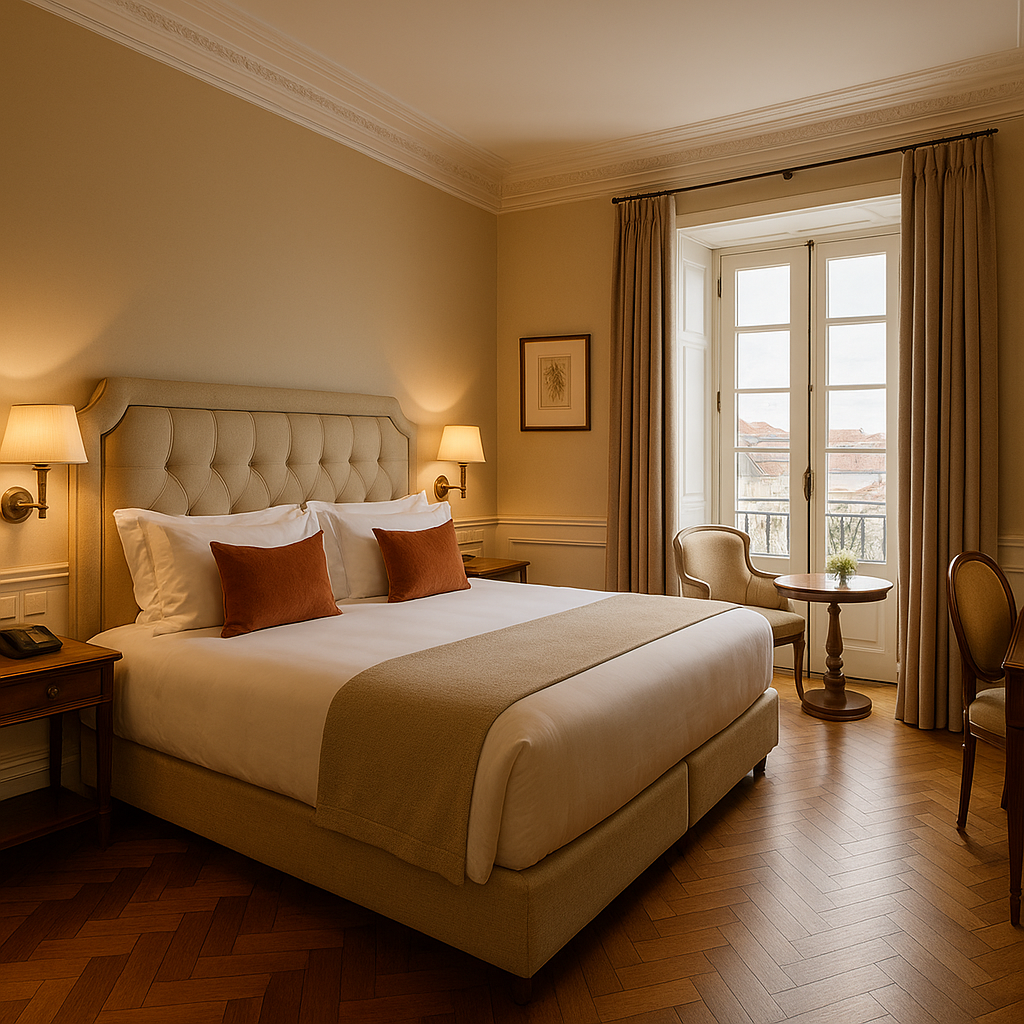
Alfama offers a range of charming boutique hotels, guesthouses, and self-catering apartments, providing an authentic local experience amidst the historic surroundings.