Nestled beneath São Jorge Castle, Alfama is Lisbon's most ancient and captivating neighbourhood, a labyrinth of narrow streets, steep staircases, and sun-drenched squares. This historic district, largely untouched by the 1755 earthquake, retains much of its Moorish charm and traditional character. Here, the soulful strains of Fado music drift from cosy taverns, and every corner reveals a new story of Lisbon's enduring past.
A Brief History of Alfama
Alfama's roots stretch back to Roman times, but it truly flourished under Moorish rule, when it served as the city's main residential area. Its name, derived from the Arabic 'al-hamma', refers to its hot springs, although these are no longer evident. Unlike much of Lisbon, Alfama largely withstood the devastating 1755 earthquake, preserving its medieval street plan and architectural integrity. This resilience is palpable as you wander through its winding alleys, past whitewashed houses adorned with vibrant azulejos and laundry drying overhead. Once a neighbourhood for fishermen and the poor, Alfama has maintained its authentic community spirit, with residents often gathering outside their homes, sharing stories and upholding age-old traditions. It's a place where history isn't just displayed in museums, but lived and breathed every day, offering a genuine glimpse into old Lisbon.Food and Drink in Alfama
Alfama is a culinary treasure trove, offering an authentic taste of traditional Portuguese cuisine. Here, you'll find an abundance of small, family-run tascas and restaurants serving hearty, unpretentious dishes. Grilled sardines, especially during the Santos Populares festivals in June, are a must-try, often enjoyed with a glass of local vinho verde. Many establishments double as Fado houses, where you can savour a delicious meal while being serenaded by the soulful sounds of Fado. Seek out bacalhau à brás (shredded cod with onions, scrambled eggs, and potatoes) or a robust feijoada. For a sweet treat, pastel de nata can be found in most pastelerias. Don't forget to sample Ginjinha, a traditional sour cherry liqueur, often served in a chocolate cup, from a small street vendor. Alfama's culinary scene is about simple, flavourful food shared in a convivial atmosphere.Wear comfortable, sturdy shoes. Alfama's cobbled streets are steep and uneven, making proper footwear essential for enjoyable exploration.
Getting to Alfama
Alfama is centrally located in Lisbon and easily accessible. From the Baixa or Chiado districts, a pleasant walk of about 15-20 minutes will lead you into the heart of Alfama, though be prepared for some uphill climbs. Taxis, Uber, and Bolt services are readily available throughout Lisbon and offer a convenient way to reach the neighbourhood, particularly if you have specific mobility needs or are travelling with luggage. While the iconic Tram 28 is a popular scenic ride through Alfama, for dedicated travel, a taxi or ride-share offers more direct service. For those arriving in Lisbon from afar, or requiring a seamless transfer from the airport or another Portuguese city, the most comfortable way to reach your accommodation in Alfama is with a private driver — we recommend our local partner Portugal Magik. They can provide a tailored quote based on your group size and specific route.Frequently Asked Questions
Where exactly is Alfama located in Lisbon?
Alfama is situated on a hill between São Jorge Castle and the Tagus River, east of Baixa and Chiado. It's one of Lisbon's oldest and most central districts.
Is Alfama a walkable neighbourhood?
Yes, Alfama is highly walkable and best explored on foot. However, be prepared for steep hills, numerous steps, and uneven cobblestone streets. Comfortable footwear is essential.
How safe is Alfama for visitors?
Alfama is generally considered a safe neighbourhood for visitors. Like any busy tourist area, it's wise to be aware of your surroundings, especially in crowded spots, and guard your personal belongings against pickpockets.
What is the best time of year to visit Alfama?
Spring (April-May) and early autumn (September-October) offer pleasant weather for exploring. June is particularly vibrant due to the Santos Populares festivals, though it can be very busy. Summers are hot but lively.
What kind of restaurants can I expect in Alfama?
You can expect traditional Portuguese tascas and Fado restaurants. These establishments often serve classic dishes like grilled fish, bacalhau, and hearty stews in a cosy, authentic atmosphere, many with live Fado music.
Where should I consider staying in Alfama?
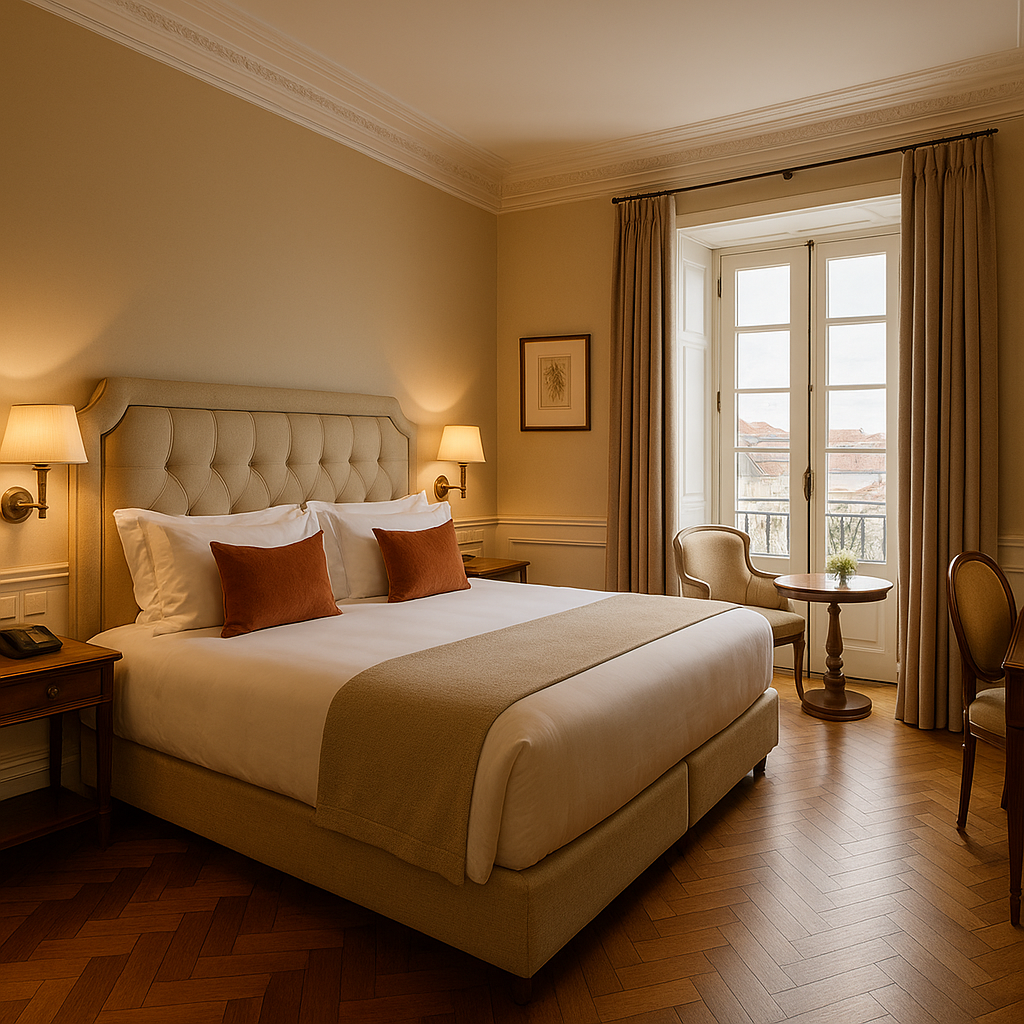
Alfama offers a range of accommodation from charming guesthouses and boutique hotels to independent apartments. Staying here provides an authentic Lisbon experience, but be mindful that some areas can be hilly and less accessible for those with mobility challenges.