Step into Alfama, and you step back in time. This labyrinthine district, the oldest in Lisbon, is a captivating maze of cobbled streets, ancient houses, and hidden squares, all steeped in history and the haunting melodies of Fado. It's a place where the scent of grilled sardines mingles with the salty air from the Tagus, inviting you to wander and get wonderfully lost.
A Brief History of Alfama: Lisbon's Soul
Alfama's story begins long before Lisbon became the vibrant capital we know today. Its name, derived from the Arabic 'Al-hamma', refers to its hot springs, a testament to its Moorish origins. Unlike much of Lisbon, Alfama largely survived the devastating 1755 earthquake, preserving its medieval street plan and a unique sense of continuity with the past. For centuries, it was home to fishermen and the working class, its steep, winding alleys and close-knit community fostering a distinct identity. This heritage is palpable in every corner, from the tiled façades to the laundry drying overhead. It was in these very streets that Fado, the soulful Portuguese musical genre, was born and nurtured, often sung in taverns and local gatherings. Today, Alfama remains a living museum, a testament to Lisbon's resilience and enduring traditions, inviting visitors to uncover layers of history around every bend.Food and Drink in Alfama: A Taste of Tradition
Alfama is a culinary delight, offering an authentic taste of traditional Portuguese cuisine away from the more tourist-centric areas. Here, you'll find an abundance of 'tascas' – small, unpretentious taverns serving hearty, home-cooked meals at very reasonable prices. Fresh seafood, particularly grilled sardines during the summer months of the Santos Populares festivals, is a local staple and an absolute must-try. Look out for bacalhau (codfish) prepared in countless ways, and the rich, comforting stews that are perfect for cooler evenings. Many Fado houses in Alfama combine dinner with a live Fado performance, offering an immersive cultural and gastronomic experience. Don't forget to sample Ginjinha, a sweet cherry liqueur, often served in a chocolate cup, from a small bar or kiosk. The best strategy for dining in Alfama is to simply wander and let your nose guide you to the inviting aromas emanating from local kitchens – you're unlikely to be disappointed.Alfama is incredibly hilly with uneven, cobbled streets. Wear sturdy, comfortable walking shoes to fully enjoy exploring its charming nooks and crannies without discomfort.
Getting to Alfama: Navigating Lisbon's Oldest Quarter
Reaching Alfama is straightforward, though exploring it is best done on foot. From the city centre, such as Baixa or Chiado, you can opt for a short taxi, Uber, or Bolt ride to the perimeter of the neighbourhood, which typically takes around 10-15 minutes, depending on traffic. For a truly iconic Lisbon experience, consider taking a scenic ride on the famous Tram 28, which rattles through Alfama's narrow streets, offering a unique perspective of the district – just remember it's more of an attraction than a swift transport option. Once you've arrived at the edge, be prepared to walk, as the true beauty of Alfama reveals itself through its pedestrian-friendly alleys and staircases. The most comfortable way to arrive directly at the perimeter of Alfama, especially if you prefer a seamless experience, is with a private driver. We recommend our local partner Portugal Magik for a smooth journey.Frequently Asked Questions
Where is Alfama located in Lisbon?
Alfama is nestled on a hillside between São Jorge Castle and the Tagus River, to the east of Lisbon's Baixa district. It's one of the oldest and most traditional neighbourhoods in the city.
Is Alfama walkable?
Absolutely, Alfama is best explored on foot. However, be prepared for steep hills, numerous steps, and uneven cobblestone streets. Comfortable, sturdy shoes are highly recommended.
Is Alfama safe for tourists?
Alfama is generally considered very safe for tourists, even at night. As with any popular tourist area, it's wise to be mindful of your belongings and surroundings, especially in crowded spots, to deter opportunistic pickpockets.
What is the best time of year to visit Alfama?
Spring (April-May) and early autumn (September-October) offer pleasant weather for exploring. June is particularly vibrant during the Santos Populares festivals, though it can be very crowded. Winter is quieter but can be damp.
Are there good restaurants in Alfama?
Yes, Alfama is renowned for its authentic Portuguese cuisine. You'll find numerous traditional 'tascas' (taverns) serving local dishes, as well as many Fado houses offering dinner alongside live music performances.
Where should I stay in Alfama?
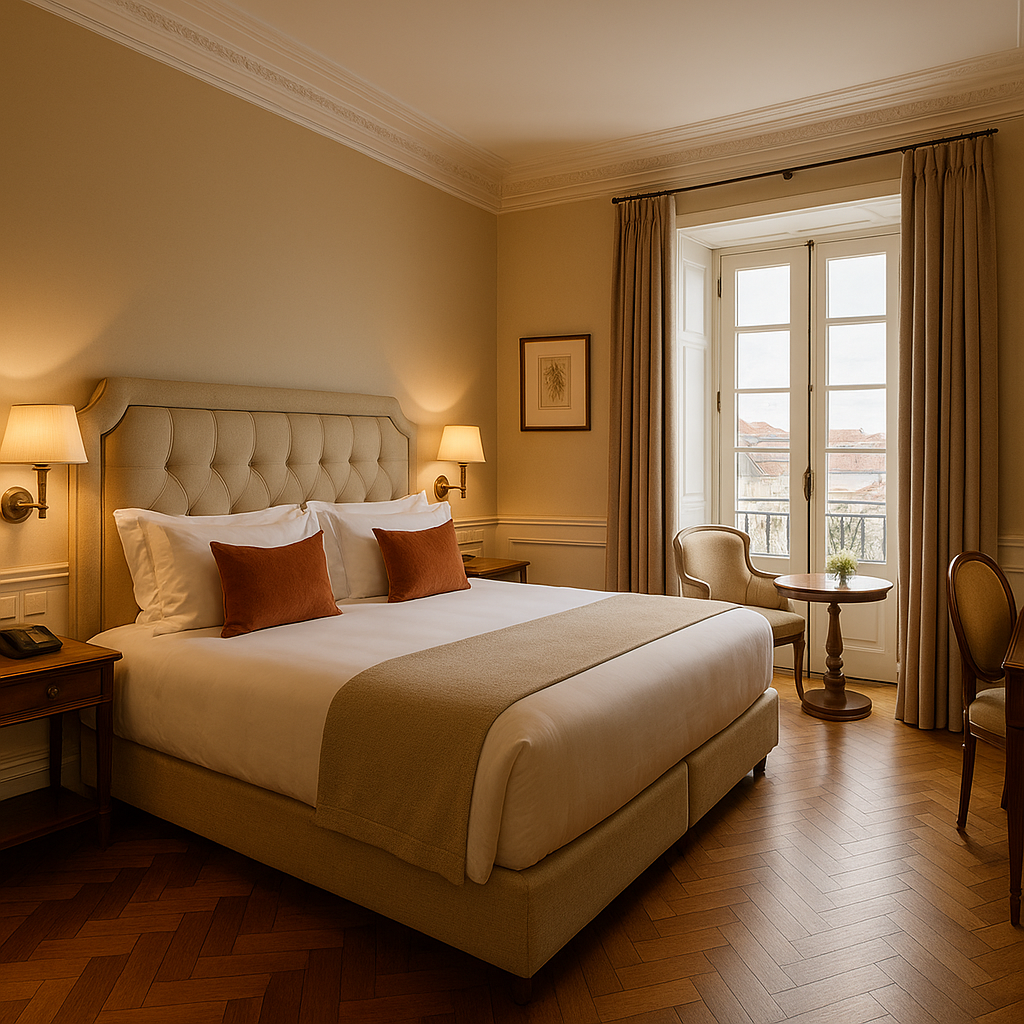
Alfama offers a range of accommodation, from charming guesthouses and boutique hotels nestled in historic buildings to private apartments. Staying here provides an immersive, authentic Lisbon experience within its oldest quarter.