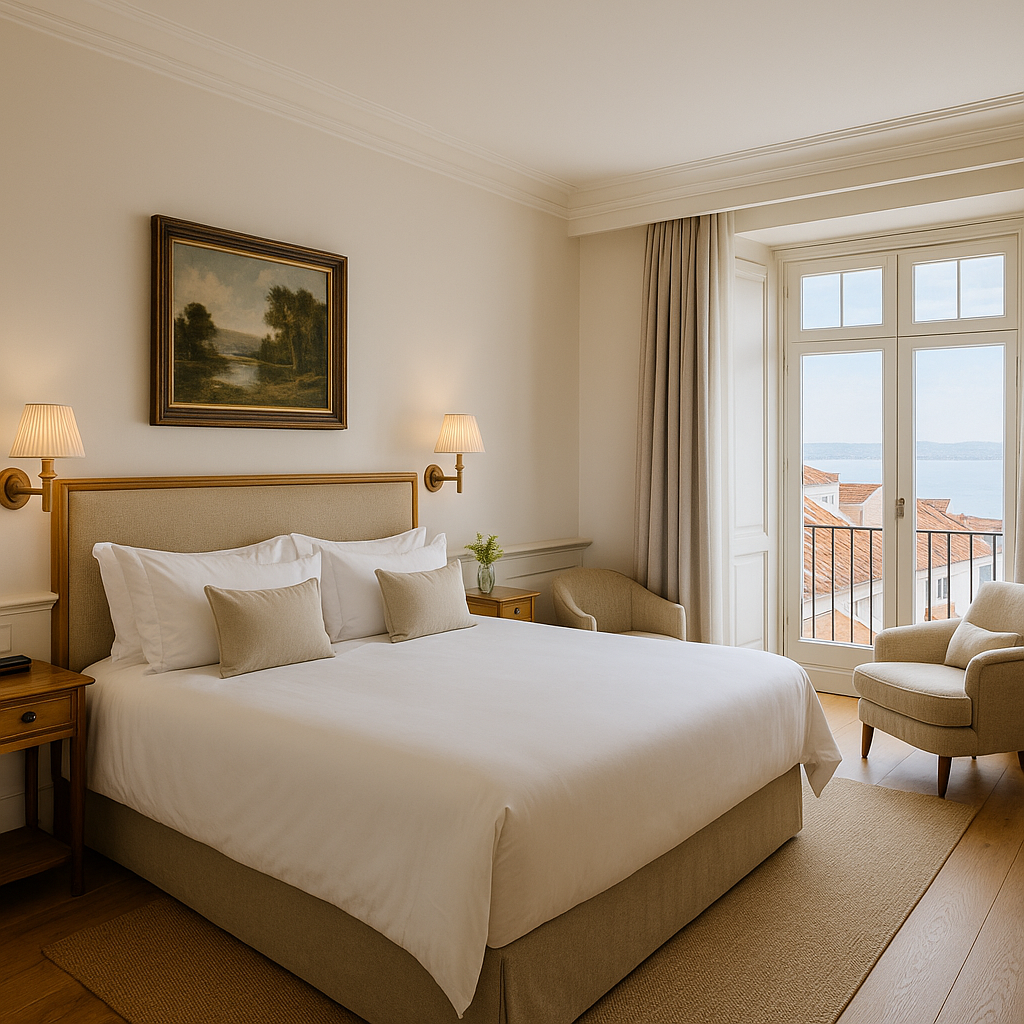
As a local writer, Lisbon is more than just a city to me – it's a living, breathing canvas of history, culture, and undeniable charm. From the mournful strains of Fado echoing through ancient alleys to the sun-drenched miradouros offering panoramic vistas, Lisbon invites you to lose yourself in its unique rhythm. This guide offers an intimate look at Portugal's captivating capital, seen through the eyes of someone who calls it home.
A Brief History of Lisbon
Lisbon's narrative is as rich and complex as its mosaic pavements. Founded by the Phoenicians, it has been shaped by Romans, Visigoths, and Moors, each leaving an indelible mark on its architecture, language, and customs. The Age of Discoveries, commencing in the 15th century, saw Lisbon transform into a global powerhouse, a hub for explorers like Vasco da Gama, whose voyages enriched the city immensely. However, this golden era was dramatically interrupted by the devastating earthquake of 1755, which flattened much of the city. The subsequent rebuilding, orchestrated by the Marquês de Pombal, gave birth to the grid-like baixa (downtown) that stands today, a testament to resilience and enlightened urban planning. Wander through its historic districts, and you’ll feel the echoes of centuries past at every turn, from the ancient walls of São Jorge Castle to the elegant squares of Baixa.Food and Drink in Lisbon
Lisbon's culinary scene is a delightful journey for the senses, deeply rooted in its maritime heritage. Seafood reigns supreme, with bacalhau (salted codfish) appearing in hundreds of preparations, from 'Bacalhau à Brás' to 'Bacalhau com Natas'. Fresh grilled fish, especially sardines in summer, are a must-try. Beyond seafood, hearty stews, succulent pork dishes, and an array of cheeses reflect the country's diverse gastronomic landscape. No visit is complete without savouring a pastel de nata, the iconic custard tart, best enjoyed warm with a sprinkle of cinnamon. Accompany your meals with a crisp Vinho Verde, a robust Dão, or a glass of Ginjinha, the local cherry liqueur. The city boasts everything from traditional tascas (taverns) serving authentic, budget-friendly fare to premium dining experiences with innovative Portuguese cuisine. Exploring the food markets, like the Mercado da Ribeira, offers a fantastic insight into local produce and flavours.Always wear comfortable shoes. Lisbon is a city of hills and cobbled streets, best explored on foot to truly soak in its atmosphere.
Getting to Lisbon
Lisbon is well-connected for international travellers, with Humberto Delgado Airport (LIS) serving as a major gateway. Once you arrive, the most comfortable way to reach your accommodation or explore beyond the immediate city is with a private driver. Within Lisbon, navigating the charming streets is best done by walking, taking a taxi, or utilising ride-sharing services like Uber or Bolt. For a truly iconic experience, consider a scenic ride on one of the famous yellow trams, particularly Tram 28, which offers a picturesque journey through historic districts. Driving from other major Portuguese cities like Porto or Faro takes approximately 3 to 4 hours, offering a chance to appreciate the country's varied landscapes. For a seamless and personalised journey from the airport or other cities, consider requesting a tailored quote from a local private transfer service.Frequently Asked Questions
Where is Lisbon located?
Lisbon is the capital city of Portugal, situated on the western Iberian Peninsula, along the Tagus River estuary on the Atlantic Ocean.
Is Lisbon a walkable city?
Yes, Lisbon is very walkable, particularly within its individual historic districts. However, it is built on seven hills, so be prepared for steep inclines and descents. Comfortable footwear is highly recommended.
Is Lisbon safe for tourists?
Lisbon is generally considered a very safe city for tourists. As with any major urban centre, it's wise to be aware of your surroundings and guard against pickpocketing, especially in crowded tourist areas or on popular trams.
What is the best time to visit Lisbon?
The best times to visit Lisbon are typically spring (March to May) and autumn (September to October). During these periods, the weather is pleasantly mild, and the city is less crowded than in the peak summer months.
What are the must-try restaurants in Lisbon?
Lisbon offers an incredible array of dining experiences. Focus on traditional tascas for authentic Portuguese comfort food, or seek out establishments specialising in fresh grilled seafood. Don't miss trying bacalhau (codfish) in its many forms and, of course, a warm pastel de nata from a local pasteleria.
Where should I stay in Lisbon?
Your ideal neighbourhood depends on your preference. Alfama offers historic charm and Fado, Baixa is central and elegant, Chiado provides a sophisticated atmosphere with shopping and culture, while Bairro Alto is perfect for nightlife enthusiasts. Principe Real offers a more upscale, bohemian vibe.