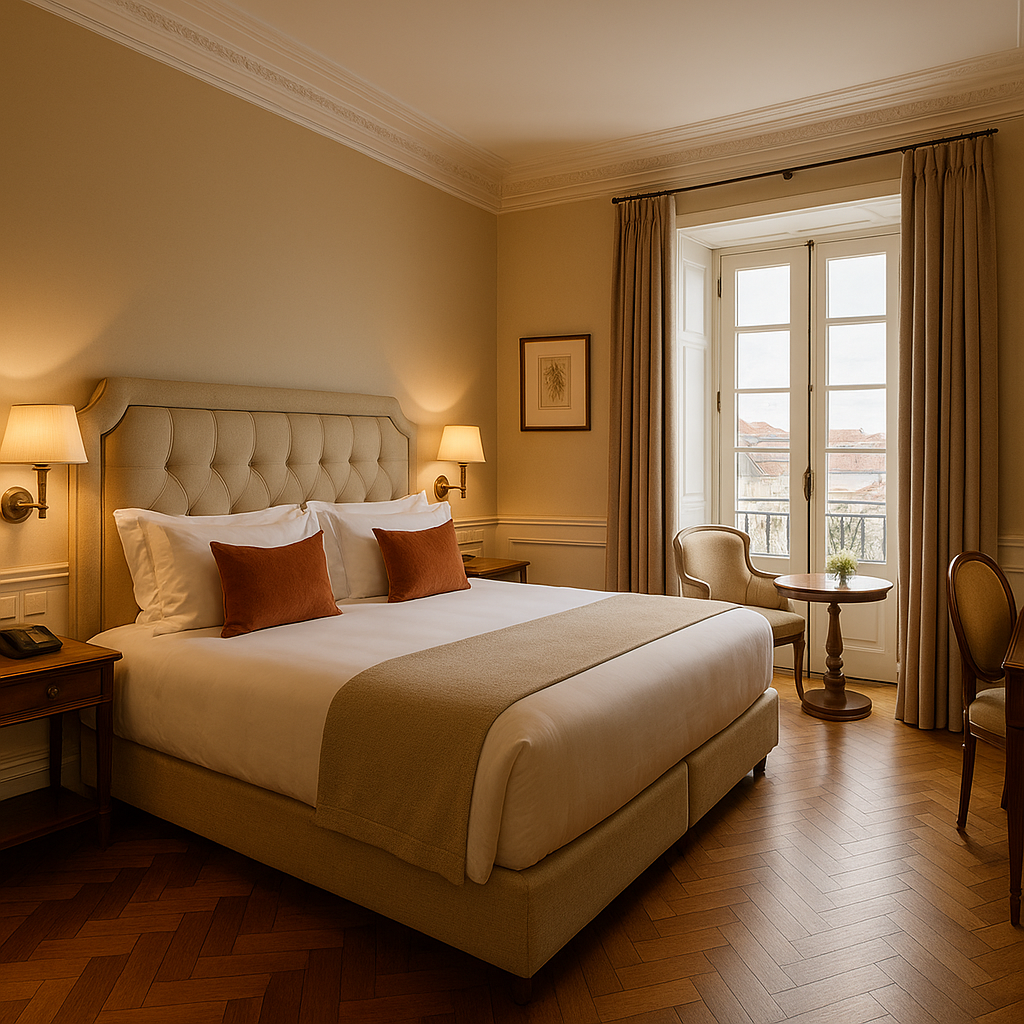
For Swiss travellers accustomed to precision and breathtaking landscapes, Lisbon offers a delightful contrast of historic charm, vibrant culture, and a wonderfully relaxed pace. Portugal's capital, with its sun-drenched hills, iconic trams, and delectable cuisine, promises an enriching city break. Prepare to trade your alpine views for Atlantic vistas and immerse yourself in a city that truly captivates.
Visa & Entry Requirements for Swiss Visitors
As Switzerland is part of the Schengen Area, Swiss citizens enjoy seamless travel to Portugal for short stays, typically up to 90 days within any 180-day period. This means no visa is required for tourism purposes, making your journey from the Alps to the Tagus straightforward and hassle-free. Your Swiss passport should be valid for at least three months beyond your intended departure date from the Schengen Area, and it's always wise to ensure it has at least two blank pages for any potential stamps, although they are rarely used for intra-Schengen travel. While border controls within the Schengen Zone are generally minimal, carrying your valid passport or national ID card is mandatory for identification. We also recommend having copies of your travel insurance and accommodation bookings readily accessible, though they are seldom requested by authorities. Enjoy the ease of travel that allows you to focus purely on the anticipation of Lisbon's many wonders.Flights from Swiss to Lisbon
Reaching Lisbon from Switzerland is convenient, with several airlines offering direct flights from major Swiss cities. You can typically find regular services departing from Zurich (ZRH), Geneva (GVA), and Basel (BSL) directly to Lisbon's Humberto Delgado Airport (LIS). Airlines such as SWISS, TAP Air Portugal, and easyJet frequently operate these routes, providing a range of options to suit various preferences. The flight duration is generally around 2 hours and 30 minutes to 3 hours, making it a comfortable journey. Upon arrival at Lisbon Airport, you'll find yourself just a short distance from the city centre. The most comfortable way to reach your accommodation is by taxi or by using ride-sharing apps like Uber or Bolt, which are readily available outside the terminals. The journey into central Lisbon usually takes between 20 to 30 minutes, depending on traffic and your specific destination within the city. Pre-booking a private transfer can also offer a smooth, stress-free start to your Lisbon adventure, with a driver waiting to meet you upon arrival.Language Tips
While Portuguese is the official language of Portugal, you'll find that English is widely spoken, especially in tourist areas, hotels, restaurants, and shops in Lisbon. Many younger Portuguese people also have a good grasp of English, making communication relatively easy for Swiss visitors. However, making an effort to learn a few basic Portuguese phrases can significantly enhance your experience and is always appreciated by locals. Simple greetings like 'Olá' (Hello), 'Obrigado/Obrigada' (Thank you, male/female speaker), 'Por favor' (Please), and 'Com licença' (Excuse me) can go a long way. Learning how to order a coffee or ask for directions in Portuguese can open doors to more authentic interactions and demonstrate respect for the local culture. Don't be shy to try; most Portuguese people are very patient and encouraging. Even if your pronunciation isn't perfect, the effort itself will be warmly received, often met with a smile and a helpful response in English if needed.Money and Costs
Portugal uses the Euro (€), just like many of its European neighbours. For Swiss visitors, this means a straightforward currency exchange if converting from Swiss Francs (CHF). Credit and debit cards, particularly Visa and Mastercard, are widely accepted in Lisbon's hotels, restaurants, and larger retail outlets. However, for smaller cafes, local shops, or market stalls, having some cash on hand is always a good idea. ATMs are readily available throughout the city if you need to withdraw Euros. Compared to Switzerland, Lisbon generally offers a more budget-friendly experience across various categories, from dining to accommodation. While luxury options are certainly available, you can find excellent value for money in mid-range hotels and restaurants. Eating out, enjoying a coffee, or visiting attractions will typically be less expensive than what you might be accustomed to in Swiss cities. Tipping is customary for good service, usually around 5-10% in restaurants, or simply rounding up taxi fares. Always check your bank's foreign transaction fees before travelling to make the most of your budget.For your stay, consider areas like Baixa for its central location and grand squares, Chiado for upscale shopping and theatre, Alfama for historic charm and Fado, or Bairro Alto for vibrant nightlife. Each offers a distinct atmosphere.
Frequently Asked Questions
Is Lisbon safe for Swiss visitors?
Lisbon is generally considered a safe city, particularly in tourist areas. Like any major European capital, it's wise to be aware of your surroundings and guard against petty theft, especially in crowded spots or on public transport. Exercise common sense, just as you would in any large city.
What's the best currency to use in Lisbon?
The official currency in Lisbon is the Euro (€). It's best to use Euros for all transactions. While credit cards are widely accepted, having some cash is useful for smaller purchases or local markets.
Are credit cards widely accepted in Lisbon?
Yes, major credit cards like Visa and Mastercard are widely accepted in most hotels, restaurants, and shops. However, some smaller establishments or independent vendors may prefer cash, so it's always good to have some Euros on hand.
What are the power plug requirements for Swiss travellers?
Portugal uses Type F power sockets (two round pins). Swiss Type J plugs (three round pins) will require an adaptor. It's advisable to bring a universal travel adaptor to ensure your devices can be charged.
Is tipping customary in Lisbon?
Tipping is customary but not mandatory. For good service in restaurants, a tip of 5-10% is appreciated. For taxis, rounding up the fare is common. It's a gesture of appreciation for good service rather than an expectation.
How does Lisbon's pace of life compare to Switzerland?
Lisbon generally has a more relaxed and unhurried pace compared to Switzerland. Service might be slower, and meal times are often later. Embrace this slower rhythm and enjoy the laid-back atmosphere, allowing yourself to experience the city without feeling rushed.