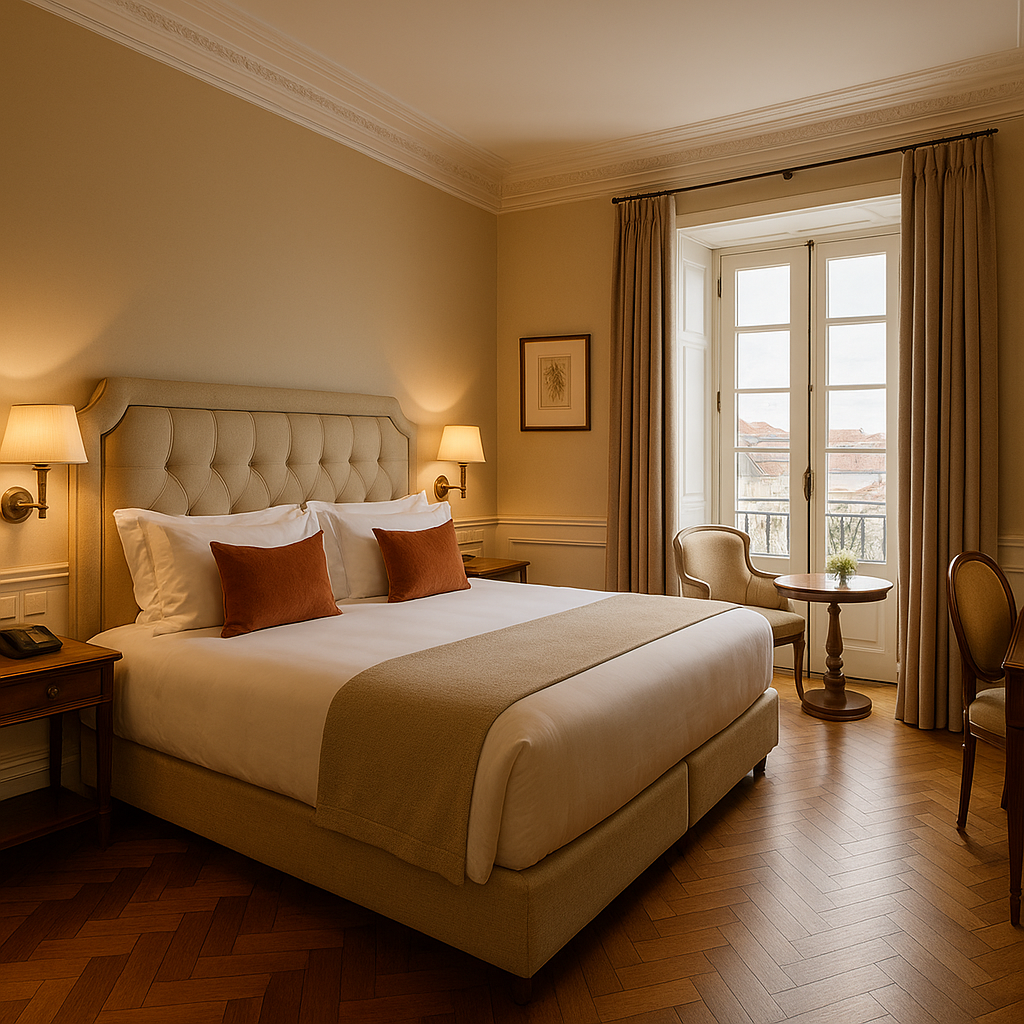
Hej and Välkommen to Lisbon! As a Swedish visitor, you're in for a treat with Portugal's sun-drenched capital. This guide is crafted to ensure your transition from the Nordic calm to Lisbon's vibrant energy is as smooth and enjoyable as possible, offering insights tailored to your travel style and preferences. Prepare to be enchanted by historic neighbourhoods, delicious cuisine, and the warm Portuguese welcome.
Visa & Entry Requirements for Swedish Visitors
As Sweden is a member of the European Union and part of the Schengen Area, Swedish citizens enjoy straightforward entry into Portugal. For tourism purposes, you will not need a visa for stays of up to 90 days within any 180-day period. Simply ensure you travel with a valid Swedish passport or national identity card. It's always wise to check that your identification document is valid for the entire duration of your planned stay. While border controls between Schengen countries are generally relaxed, you may be asked to present your ID upon arrival or at accommodation check-in, so keep it accessible. There are no specific vaccination requirements for Swedish travellers entering Portugal, but it's always prudent to ensure your routine vaccinations are up-to-date. Portugal adheres to standard EU regulations regarding customs, so be mindful of limits on certain goods if you are making purchases outside the EU before your return journey.Flights from Swedish to Lisbon
Connecting Sweden to Lisbon is convenient, with several airlines offering direct routes, particularly from Stockholm. Stockholm Arlanda Airport (ARN) typically provides the most options, with direct flights to Lisbon Portela Airport (LIS) – also known as Humberto Delgado Airport. Airlines such as TAP Air Portugal, SAS, Ryanair, and Norwegian Air frequently operate these routes. Journey times for direct flights are generally around 3.5 to 4 hours, making Lisbon an accessible short-haul destination from Sweden. While direct flights are most common from Stockholm, you might also find seasonal or connecting flights from Gothenburg Landvetter Airport (GOT) or other regional Swedish airports. It's advisable to book your flights in advance, especially if travelling during peak summer months or public holidays, to secure competitive fares and preferred timings. Lisbon Airport (LIS) is well-connected to the city centre, making your arrival and onward journey seamless.Language Tips
While English is widely spoken in Lisbon's tourist areas, hotels, and major attractions, making an effort to learn a few basic Portuguese phrases will be greatly appreciated by locals. Portuguese people are generally warm and welcoming, and even a simple 'Olá' (Hello) or 'Obrigado/Obrigada' (Thank you – 'o' for men, 'a' for women) can go a long way. Other useful phrases include 'Por favor' (Please), 'Bom dia' (Good morning), 'Boa tarde' (Good afternoon), 'Boa noite' (Good evening/night), and 'Com licença' (Excuse me). Don't be shy about trying; locals will often respond in English if they notice you're struggling, but your effort will be acknowledged with a smile. Many menus in tourist-centric restaurants also offer English translations. Online translation apps can be very helpful for quick look-ups or more complex conversations during your visit.Money and Costs
Portugal uses the Euro (€) as its currency. Lisbon offers a range of experiences to suit various budgets, from budget-friendly eateries to premium dining and luxury accommodations. Generally, you'll find that many goods and services in Lisbon are somewhat more affordable than in Sweden, offering good value. For example, a delicious traditional Portuguese meal at a local tasca can be quite budget-friendly, while a fine dining experience will naturally be more premium. Accommodation options vary significantly, from hostels and guesthouses providing excellent value to mid-range boutique hotels and high-end luxury stays. While specific prices fluctuate, it's safe to say that a mid-range daily budget would allow for comfortable sightseeing, good food, and perhaps a few souvenirs. Always check the official sites for current ticket prices for attractions, as these can change. ATMs are readily available throughout the city, and major credit and debit cards are widely accepted in shops, restaurants, and hotels. It’s always a good idea to inform your bank of your travel plans to avoid any issues with card usage abroad.For a first-time visitor, staying in central areas like Baixa, Chiado, or Bairro Alto offers unparalleled access to major sights and a vibrant atmosphere. Alfama provides a more historic, quaint experience, while Principe Real or Estrela offer a slightly more upscale and relaxed vibe.
Frequently Asked Questions
Is Lisbon safe for Swedish travellers?
Lisbon is generally a very safe city for tourists. As with any major European capital, it's wise to be aware of your surroundings, especially in crowded tourist areas, and guard against petty theft like pickpocketing. Keep valuables secure and avoid walking alone in poorly lit areas late at night. Overall, visitors from Sweden will find Lisbon welcoming and secure.
What is the best time of year for Swedes to visit Lisbon?
For Swedish visitors, the shoulder seasons (April-May and September-October) are often ideal. The weather is pleasantly warm but not excessively hot, perfect for exploring, and the city is less crowded than in peak summer. Summer (June-August) is vibrant but can be very hot, while winter (November-March) is milder than Sweden, with more rainfall but also plenty of sunny days.
What local dishes should Swedish visitors try in Lisbon?
Absolutely try 'Bacalhau à Brás' (shredded cod with onions, fried potatoes, and scrambled eggs), 'Pastéis de Nata' (custard tarts), and fresh seafood dishes. For a quick snack, a 'Bifana' (pork sandwich) is a must. Don't forget to sample some excellent Portuguese wines and Ginjinha, a cherry liqueur.
Are there any specific cultural differences Swedes should be aware of?
Portuguese culture is generally more expressive and less reserved than Swedish culture. Expect more animated conversations and closer personal space. Family and tradition are highly valued. Punctuality is also less rigid than in Sweden; a slight delay is often not a cause for concern. A friendly 'bom dia' or 'boa tarde' when entering shops or cafés is a nice gesture.
How do I get around Lisbon without a rental car or public transport?
Inside Lisbon, walking is a fantastic way to explore the charming historic districts, though be prepared for hills! For longer distances or when tired, taxis, Uber, and Bolt are readily available and reasonably priced. The iconic yellow tram Line 28 offers a scenic ride through many popular areas and is a great way to experience the city's unique charm.
Is Lisbon a good destination for families with children from Sweden?
Yes, Lisbon is very family-friendly. Many attractions, such as the Oceanário de Lisboa, São Jorge Castle, and various parks, cater well to children. Portuguese people are generally very fond of children, and you'll find a welcoming atmosphere in most restaurants and shops. Just be mindful of the hilly terrain and cobblestones when pushing prams.