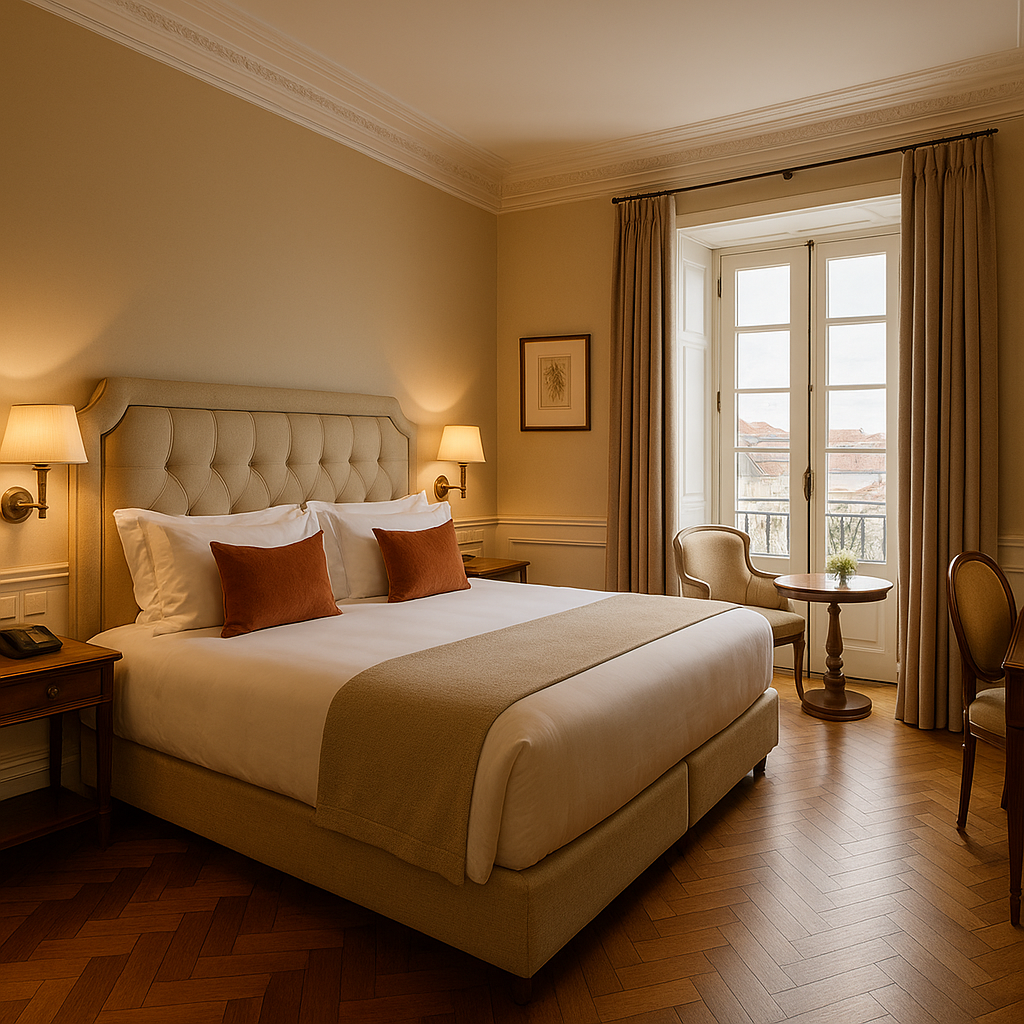
Velkommen to Lisbon! As a Norwegian traveller, you're about to embark on a delightful journey to a city known for its radiant light, historic charm, and warm hospitality. This guide is crafted specifically for you, offering practical insights and recommendations to ensure your visit to Portugal's captivating capital is as seamless and enjoyable as possible. Prepare to trade the Nordic chill for sun-drenched streets and a vibrant cultural tapestry.
Visa & Entry Requirements for Norwegian Visitors
Norway is part of the Schengen Area, meaning Norwegian citizens do not require a visa for short stays in Portugal, typically up to 90 days within any 180-day period. Your passport should be valid for at least three months beyond your intended departure date from the Schengen Area and have been issued within the last 10 years. While not strictly mandatory for short tourist stays, comprehensive travel insurance is highly recommended. It provides peace of mind for unforeseen medical emergencies, lost luggage, or travel disruptions. Portugal is a safe country, but it's always wise to take standard precautions, such as keeping an eye on your belongings in crowded areas and being aware of your surroundings, just as you would in any major European city. While the official language is Portuguese, English is widely spoken in tourist areas, hotels, and restaurants, making communication relatively easy. However, learning a few basic Portuguese phrases will certainly enhance your experience and is always appreciated by locals. Remember to carry a copy of your passport or a photo of it on your phone, though keeping the physical document secure in your accommodation is advisable.Flights from Norwegian to Lisbon
Direct flights from Norway to Lisbon (LIS) are readily available, offering a convenient connection to Portugal's capital. Major airlines operate routes from Oslo Gardermoen (OSL) to Lisbon Portela Airport. The flight duration typically ranges from three and a half to four hours, providing a comfortable journey across Europe. Airlines such as TAP Air Portugal and Norwegian Air Shuttle often provide direct services, alongside other carriers that may offer connecting flights through major European hubs. It's advisable to book your flights well in advance, especially if travelling during peak seasons like summer or public holidays, to secure preferred dates and times. Lisbon Portela Airport is well-equipped with amenities, including shops, restaurants, and lounges, ensuring a pleasant arrival and departure experience. Upon landing, you'll find yourself just a short distance from the city centre. A taxi or an Uber/Bolt offers a swift and direct route to your accommodation, typically taking around 15-25 minutes depending on traffic and your specific destination within Lisbon. We recommend checking airline websites for the most up-to-date flight schedules and availability.Language Tips
While English is widely spoken in Lisbon's main tourist areas, particularly by younger generations and those working in hospitality, making an effort to learn a few basic Portuguese phrases can significantly enrich your travel experience. Locals genuinely appreciate when visitors try to speak their language, even if it's just a simple "Olá" (hello) or "Obrigado/a" (thank you – 'o' for men, 'a' for women). Other useful phrases include "Por favor" (please), "Desculpe" (excuse me/sorry), "Bom dia" (good morning), "Boa tarde" (good afternoon), and "Boa noite" (good evening/night). When ordering food, "A conta, por favor" (the bill, please) will be helpful. Don't be shy about trying; Portuguese people are generally very patient and encouraging. If you encounter difficulties, hand gestures and a smile often bridge the gap. Many restaurants provide menus in English, and tour guides are typically bilingual. However, venturing into less touristy neighbourhoods or smaller, traditional eateries might require a bit more linguistic improvisation, which can be part of the adventure!Money and Costs
Portugal uses the Euro (€). While credit and debit cards are widely accepted in most establishments, especially in Lisbon, it’s always wise to carry some cash for smaller purchases, market stalls, or in more traditional, local shops and cafés. ATMs (Multibanco) are ubiquitous and easy to find throughout the city. Be aware of potential foreign transaction fees from your bank when using cards or withdrawing cash abroad. Lisbon offers a range of experiences to suit various budgets. Dining out can be very affordable, especially if you opt for local 'tascas' (traditional eateries) or 'prato do dia' (dish of the day) specials for lunch. Mid-range restaurants offer excellent value, while premium dining experiences are also available. Accommodation varies from budget-friendly hostels and guesthouses to mid-range boutique hotels and luxurious five-star options. Compared to Norwegian prices, you'll generally find that food, drink, and many activities in Lisbon offer favourable value. However, popular tourist attractions and bespoke services, like private transfers, will command higher prices, aligning with their quality and convenience. For private transfers or tours, it's best to request a tailored quote, as pricing depends on group size, vehicle, and route. The most comfortable way to reach destinations outside the city is with a private driver — we recommend our local partner Portugal Magik.For first-time visitors, Baixa and Chiado offer central convenience and easy access to attractions, while Alfama provides a charming, historic labyrinth of streets with authentic Fado houses.
Frequently Asked Questions
Is Lisbon safe for solo Norwegian female travellers?
Yes, Lisbon is generally considered a very safe city, even for solo female travellers. As with any major European capital, it's wise to be aware of your surroundings, especially at night, and to keep an eye on your belongings in crowded tourist areas. However, serious crime is rare, and locals are typically friendly and helpful.
What's the best way to deal with the hilly terrain in Lisbon?
Lisbon is famous for its seven hills, so comfortable walking shoes are an absolute must. For longer distances or steeper inclines, taxis, Uber, or Bolt are readily available and very convenient. You could also enjoy a scenic ride on the iconic Tram 28 for a unique perspective without too much effort.
Will I find Norwegian-speaking staff in Lisbon?
While it's unlikely to find Norwegian-speaking staff in most places, English is widely spoken in tourist-centric areas, hotels, and many restaurants. Portuguese people are generally very welcoming and will do their best to communicate with you, even if there's a language barrier.
What are some cultural differences Norwegians should be aware of?
Portuguese culture often embraces a more relaxed pace of life and social interactions. Punctuality can be a bit more flexible, and personal space tends to be smaller. Expect warmer greetings and more expressive communication than you might be used to in Norway. Meal times are also typically later.
Are there any specific Portuguese dishes a Norwegian palate might enjoy?
Absolutely! Many Norwegians enjoy fresh seafood, and Lisbon excels in this. Try 'Bacalhau à Brás' (shredded cod with eggs and potatoes), grilled sardines (especially in summer), or 'Arroz de Marisco' (seafood rice). For something sweet, the famous 'Pastel de Nata' (custard tart) is a must-try.
How does the sun intensity in Lisbon compare to Norway?
Lisbon's sun intensity is significantly stronger than in Norway, particularly during the summer months. Even in spring and autumn, the sun can be quite powerful. Always use high-factor sunscreen, wear a hat, and stay hydrated to prevent sunburn and heat exhaustion.