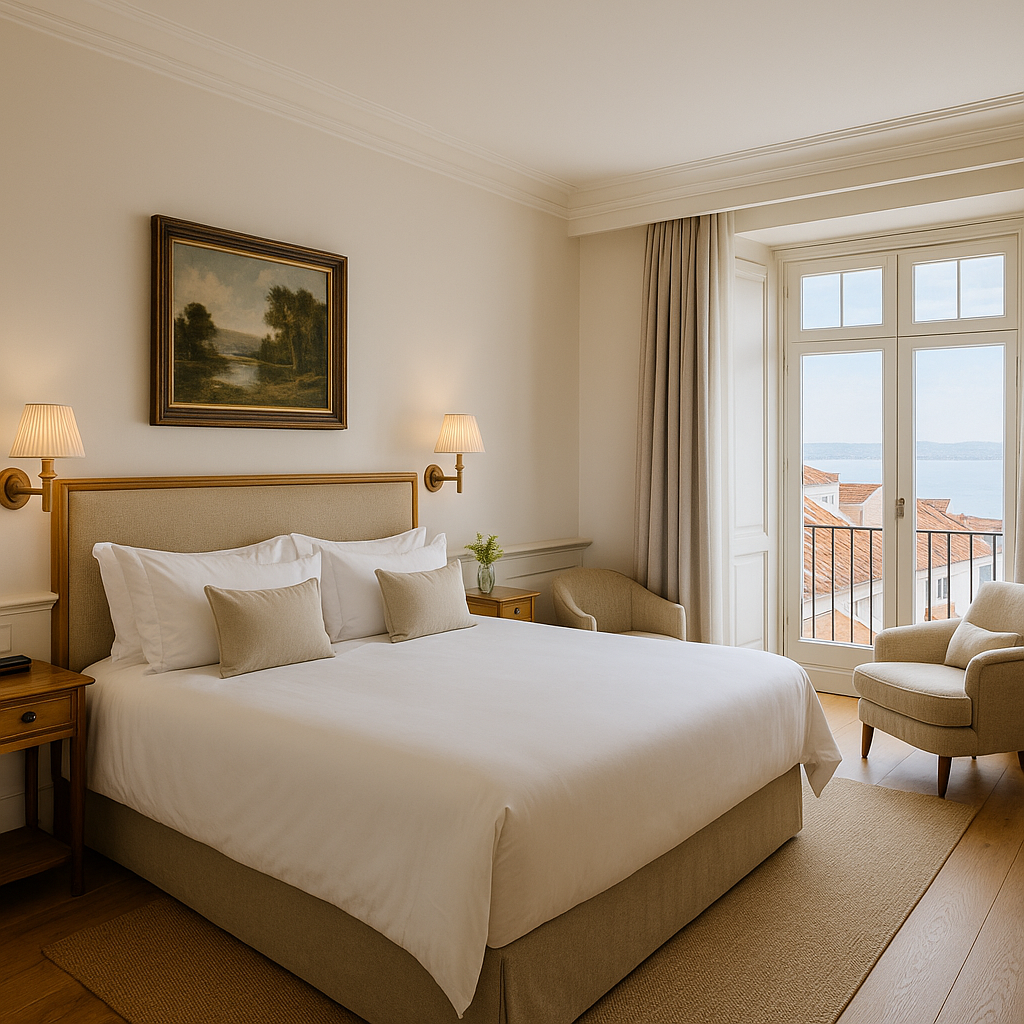
Ciao, fellow travellers! As an Italian visitor, you'll find a captivating blend of familiarity and enchanting novelty awaiting you in Lisbon. Much like Italy, Portugal boasts a rich history, delicious cuisine, and a vibrant street life, yet it carries its own unique charm, from the melancholic Fado music to the stunning azulejo-clad buildings. Prepare to be charmed by this sun-drenched capital perched on seven hills, a city that promises an unforgettable European adventure.
Visa & Entry Requirements for Italian Visitors
As Italy and Portugal are both members of the European Union and part of the Schengen Area, Italian citizens benefit from seamless travel to Lisbon. You will not require a visa for tourist stays, and border controls are typically minimal or non-existent when arriving from another Schengen country. A valid Italian identity card (Carta d'Identità) or passport is sufficient for entry and identification. Ensure your document is valid for the entire duration of your stay. While no specific health declarations are currently mandatory, it's always wise to check the official Portuguese Directorate-General of Health (DGS) website or the Italian Ministry of Foreign Affairs (Farnesina) for the latest travel advisories closer to your departure date, especially concerning any evolving global health situations. It's also recommended to carry a copy of your travel insurance details, though not strictly required for entry. Remember that while a physical ID is usually enough, a passport can sometimes offer smoother processing for certain situations like checking into some accommodations. Always keep your identification documents secure, preferably in a hotel safe, and carry a photocopy or digital image with you when out exploring.Flights from Italian to Lisbon
Lisbon's Humberto Delgado Airport (LIS) is well-connected to major Italian cities, making your journey straightforward. Direct flights are available from Rome (Fiumicino - FCO), Milan (Malpensa - MXP and Bergamo Orio al Serio - BGY), Bologna (BLQ), Venice (VCE), Naples (NAP), and Florence (FLR), among others. Airlines such as TAP Air Portugal, Ryanair, Wizz Air, and easyJet frequently operate these routes. Flight durations typically range from approximately 2 hours and 30 minutes to 3 hours, depending on your departure city. For instance, a direct flight from Rome to Lisbon usually takes around 2 hours and 45 minutes. Flight costs can vary significantly based on the season, how far in advance you book, and the airline. Generally, booking several months ahead and opting for mid-week travel can yield better value. Consider flying during the shoulder seasons (spring or autumn) for a good balance of weather and flight costs. Lisbon Airport is conveniently located just about 7 km from the city centre, easily accessible by metro (red line), Aerobus, or taxi/ride-sharing services, with a metro journey taking roughly 20-25 minutes to central areas like Baixa or Rossio.Language Tips
While Portuguese shares some Latin roots with Italian, don't assume complete mutual intelligibility. You'll likely recognise some words, but pronunciation and grammar differ significantly, often leading to misunderstandings if you solely rely on Italian. However, in Lisbon, particularly in tourist areas and among younger generations, English is widely spoken, especially by those working in hospitality, so you won't struggle to get by. Nonetheless, learning a few basic Portuguese phrases will undoubtedly enhance your experience, demonstrate respect for the local culture, and often elicit warmer responses. Simple greetings like "Olá" (hello), "Bom dia" (good morning), "Boa tarde" (good afternoon), and "Boa noite" (good evening/night) go a long way. "Obrigado/Obrigada" (thank you, male/female speaker) is essential, as is "Por favor" (please) and "Com licença" (excuse me/pardon me). When ordering food, knowing "Um café, por favor" (A coffee, please) or "Uma cerveja" (A beer) will be useful. Don't be afraid to try speaking Portuguese; locals appreciate the effort, even if you make mistakes. Many Portuguese have a good grasp of Romance languages, so sometimes a mix of Italian, Spanish, and Portuguese, combined with gestures, can surprisingly facilitate communication. Consider downloading a translation app for more complex interactions, but always start with a friendly Portuguese greeting.Money and Costs
Portugal uses the Euro (€), just like Italy, making currency exchange a non-issue for Italian visitors. Credit and debit cards (Visa, Mastercard) are widely accepted in most shops, restaurants, and hotels, particularly in Lisbon. However, it's always advisable to carry some cash for smaller purchases, local markets, or establishments in less touristy areas. ATMs (Multibanco) are ubiquitous and reliable. Lisbon offers a range of prices, generally considered more affordable than many Western European capitals. A typical meal in a mid-range restaurant offers good value, while a 'prato do dia' (dish of the day) in a local 'tasca' can be quite budget-friendly. Public transport is excellent value; you can purchase a 'Zapping' card to load money for convenient fares. Accommodation varies greatly, from budget-friendly hostels to premium luxury hotels. Expect to find decent mid-range hotels or Airbnbs at competitive rates. Consider purchasing the Lisboa Card for free public transport and discounts on attractions if you plan extensive sightseeing, as it can offer significant savings.For first-time visitors, Baixa or Chiado offer central convenience and easy access to attractions. Alfama provides historic charm and Fado, while Bairro Alto is perfect for nightlife enthusiasts. Principe Real and Estrela offer a more upscale, tranquil experience with beautiful gardens.
Frequently Asked Questions
Is the food in Lisbon similar to Italian cuisine?
While both cuisines share a Mediterranean heritage and love for fresh ingredients, Portuguese food has its own distinct flavours. Expect more seafood, bacalhau (codfish) in countless preparations, hearty stews, and unique pastries like 'Pastéis de Nata.' Fewer pasta dishes and different spices are common.
Will my Italian SIM card work in Portugal without extra charges?
Yes, as both Italy and Portugal are within the EU, you can use your Italian SIM card for calls, texts, and data at no extra cost, thanks to the 'Roam Like At Home' regulation. Check your specific plan for any fair usage policies.
Is it easy to communicate in Italian in Lisbon?
While not universally spoken, many Portuguese, especially older generations or those who have worked abroad, might understand some Italian due to the linguistic similarities and historical connections. However, English is more widely spoken in tourist areas, and learning a few Portuguese phrases is highly recommended.
Are there any specific cultural nuances Italian travellers should be aware of?
One notable difference is dining times; dinner is typically later in Lisbon, often starting after 8 PM. Also, the concept of a 'bica' (espresso) is very quick and often enjoyed standing. Be aware that bread and olives placed on your table are usually charged for if consumed.
What are the best ways to get around Lisbon without a car, especially for an Italian used to city driving?
Lisbon's public transport is excellent and highly recommended over driving. The metro, trams (especially Tram 28!), buses, and funiculars cover the city extensively. Taxis and ride-sharing apps (Uber, Bolt) are also readily available and reasonably priced. The city's steep hills and narrow streets make driving challenging.
Are there any Italian communities or restaurants in Lisbon?
Yes, Lisbon has a growing expatriate community, including Italians, and you'll find a good number of authentic Italian restaurants, pizzerias, and delis, particularly in central areas. While enjoying local cuisine is key, you won't struggle to find a taste of home if desired.