Welcome to Lisbon, a city that effortlessly blends historic charm with a vibrant contemporary pulse. For Irish visitors, Lisbon offers a sun-drenched escape, rich cultural experiences, and a famously welcoming atmosphere. Prepare to be captivated by its melancholic Fado music, delicious pastéis de nata, and breathtaking views over the Tagus River.
Visa & Entry Requirements for Irish Visitors
As both Ireland and Portugal are member states of the European Union, Irish citizens enjoy seamless travel to Lisbon. You will not require a visa for short stays, typically up to 90 days within any 180-day period. However, it is essential to travel with a valid passport. While technically not always required for intra-Schengen travel, carrying your passport is strongly advised as it serves as your primary form of identification and may be requested by authorities or for services like hotel check-ins. Ensure your passport is valid for the entire duration of your stay. No additional permits or special declarations are needed for Irish nationals entering Portugal. Simply present your passport upon arrival at Lisbon Portela Airport (LIS), and you will be welcomed into the country without any complications. Always keep a digital copy of your passport on your phone and a physical photocopy separate from your actual document, just in case.Flights from Ireland to Lisbon
Travelling from Ireland to Lisbon is straightforward, with several direct flight options connecting the two nations. The primary gateway is Lisbon Portela Airport (LIS), conveniently located just a short distance from the city centre. Direct flights are regularly available from Dublin Airport (DUB), offered by carriers such as Aer Lingus and Ryanair, providing choice and flexibility for your travel plans. Depending on the season, you might also find direct services from other Irish regional airports like Cork (ORK) or Shannon (SNN), though Dublin typically offers the most frequent connections. The flight duration is generally around 2 hours and 30 minutes to 3 hours, making Lisbon an accessible destination for a weekend break or a longer holiday. Upon arrival at Lisbon Airport, you'll find various options for reaching your accommodation, including taxis, Uber/Bolt services, and private transfers, ensuring a smooth start to your Portuguese adventure.Language Tips
The official language of Portugal is Portuguese. While many locals in tourist-heavy areas, hotels, and restaurants will speak a good level of English, especially younger generations, making an effort to learn a few basic phrases in Portuguese will significantly enhance your experience and endear you to the locals. Simple greetings like 'Olá' (Hello), 'Bom dia' (Good morning), 'Boa tarde' (Good afternoon), and 'Boa noite' (Good evening/night) are a great start. 'Obrigado' (thank you for males) and 'Obrigada' (thank you for females) are essential. Other useful phrases include 'Por favor' (Please), 'Desculpe' (Excuse me/Sorry), and 'Adeus' (Goodbye). Don't be shy to try; even a few words go a long way. Most menus in popular eateries will offer English translations, and navigating shops or asking for directions is generally manageable with a mix of English and gestures. Consider downloading an offline translation app before you travel for extra convenience.Money and Costs
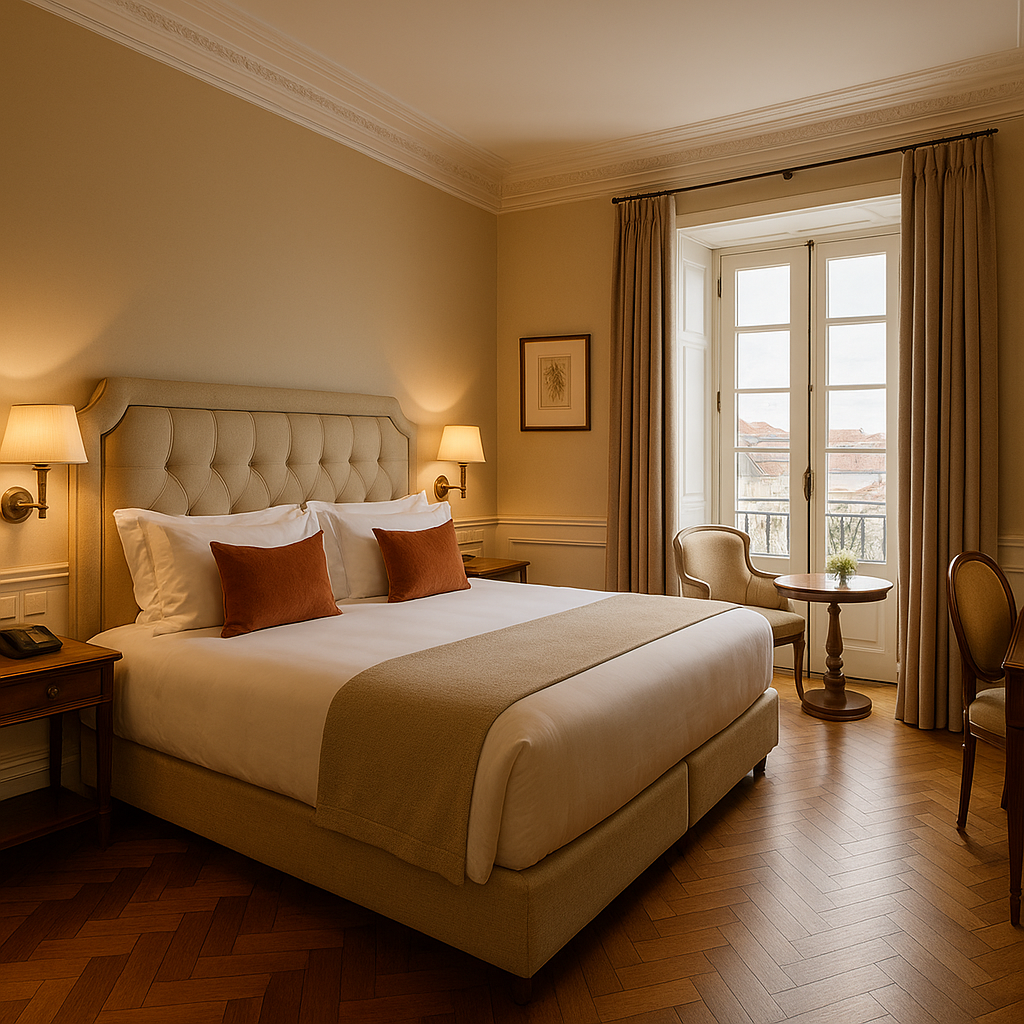
Portugal uses the Euro (€), just like Ireland, making currency exchange a non-issue for Irish visitors. Credit and debit cards (Visa, Mastercard) are widely accepted in most establishments, including hotels, restaurants, and shops. It's always a good idea to carry some cash for smaller purchases, market stalls, or in more traditional, local establishments that might prefer or only accept cash. ATMs (Multibanco) are readily available throughout the city, but be mindful of potential withdrawal fees from your bank. In terms of costs, Lisbon generally offers good value compared to many other Western European capitals. Accommodation can range from budget-friendly hostels to mid-range boutique hotels and premium luxury options, depending on your preferences and the season. Dining out can be surprisingly affordable, especially if you opt for local tascas (traditional restaurants) or 'prato do dia' (dish of the day) specials. Tourist attractions and activities also offer a range of price points, with many museums and historical sites providing reasonable entry fees, and several viewpoints and parks being free to enjoy.For staying in Lisbon, consider areas like Baixa for central convenience, Chiado for elegance and culture, Alfama for historic charm, or Bairro Alto for vibrant nightlife. Each offers a distinct atmosphere.
Frequently Asked Questions
Is Lisbon safe for Irish tourists?
Yes, Lisbon is generally a very safe city for tourists. As with any major European capital, it's wise to be aware of your surroundings, particularly in crowded tourist areas where pickpocketing can occur. Keep an eye on your belongings, especially in popular spots and on public transport. Violent crime is rare.
What's the best time of year for Irish visitors to go to Lisbon?
The shoulder seasons (April-May and September-October) are often considered ideal. The weather is pleasantly warm but not excessively hot, and the city is less crowded than during the peak summer months. Summer (June-August) offers guaranteed sunshine but can be very hot and busy. Winter (November-March) is milder than Ireland, with fewer tourists and occasional rain.
What should Irish visitors pack for Lisbon?
Aside from your passport and usual travel essentials, pack comfortable walking shoes for Lisbon's hilly, cobbled streets. Light layers are good for varying temperatures. Don't forget sun cream, sunglasses, and a hat, as the sun can be intense. A reusable water bottle is also handy for staying hydrated.
Can I use my Irish mobile phone in Lisbon?
Yes, as both Ireland and Portugal are in the EU, you can 'roam like at home.' This means you can use your Irish mobile phone plan (calls, texts, data) in Lisbon at no extra cost, subject to your network's fair usage policy. Check with your provider before travelling for full details.
Are there any cultural differences Irish visitors should be aware of?
Portuguese culture is generally more reserved than Irish, but very friendly once you engage. Punctuality is appreciated but not strictly adhered to in social settings. Mealtimes are often later than in Ireland. Also, expect a more relaxed pace of life, particularly during the afternoon.
How do I get around Lisbon city centre?
Lisbon's city centre is best explored on foot, allowing you to discover its charming nooks and crannies. For longer distances or when navigating the hills, taxis and ride-sharing apps like Uber or Bolt are readily available and reasonably priced. For a scenic experience, consider a ride on the historic yellow Tram 28, which offers a delightful tour through some of the city's most picturesque neighbourhoods.