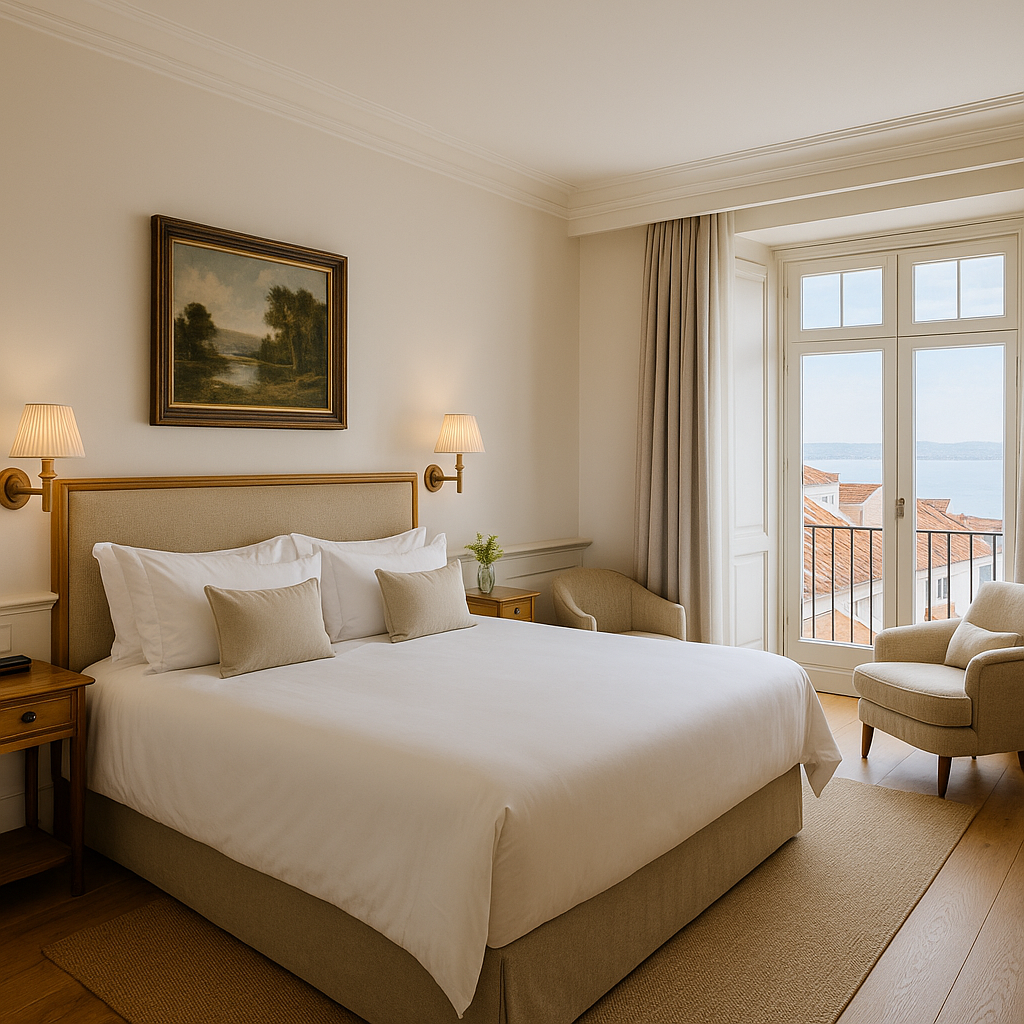
Velkommen to Lisbon! As a Danish visitor, you'll find Portugal's capital a captivating blend of historic charm, vibrant culture, and sun-drenched beauty, offering a delightful contrast to the familiar landscapes of Denmark. From the melancholic Fado music echoing through ancient alleys to the bustling riverside promenades, Lisbon promises an unforgettable experience tailored for discovery.
Visa & Entry Requirements for Danish Visitors
Danish citizens, as members of the European Union and the Schengen Area, enjoy straightforward entry into Portugal. No visa is required for stays up to 90 days within any 180-day period. When travelling, ensure you carry a valid Danish passport or national ID card, which must be valid for the duration of your stay. While border checks within the Schengen Area are typically minimal, it is always prudent to have your identification readily available. For any specific concerns, always consult the official Portuguese Embassy in Copenhagen or the Danish Ministry of Foreign Affairs before your trip to ensure you have the most up-to-date information.Flights from Denmark to Lisbon
Direct flights from Copenhagen Airport (CPH) to Lisbon Humberto Delgado Airport (LIS) make travelling to the Portuguese capital convenient for Danish visitors. The flight duration is typically around three hours, offering a quick transition from the Nordic climate to the warmer embrace of the Iberian Peninsula. Several airlines operate these routes, providing various options throughout the week. Upon arrival at Lisbon Airport, the most comfortable way to reach your accommodation in the city centre is with a private driver — we recommend our local partner Portugal Magik, who can arrange a seamless, door-to-door transfer, allowing you to relax immediately after your journey.Language Tips
The official language of Portugal is Portuguese. While many locals, especially in tourist areas, speak excellent English, making an effort to learn a few basic phrases can significantly enhance your experience and is always appreciated. Simple greetings like 'Olá' (Hello), 'Obrigado/Obrigada' (Thank you, male/female speaker), 'Por favor' (Please), and 'Adeus' (Goodbye) can go a long way. Don't be shy to try! Portuguese people are generally very welcoming and patient with visitors attempting to speak their language. Knowing a few numbers can also be helpful for ordering food or checking prices.Money and Costs
Portugal uses the Euro (€) as its currency. Lisbon generally offers good value, often more affordable than major Scandinavian cities, making it an attractive destination for Danish visitors. Credit and debit cards are widely accepted in most establishments, from shops and restaurants to hotels. ATMs (Multibanco) are readily available across the city for cash withdrawals. While it's wise to carry some cash for smaller purchases or local markets, card payments are predominant. Dining out can range from budget-friendly local tascas to premium fine-dining experiences, catering to all preferences. Always check with your bank about any international transaction fees before travelling.For a memorable stay, consider areas like Baixa for central convenience, Chiado for culture and shopping, Bairro Alto for vibrant nightlife, Alfama for historic charm, or Príncipe Real for a more upscale, bohemian feel. Each neighbourhood offers a distinct atmosphere.
Frequently Asked Questions
Is Lisbon safe for Danish tourists?
Lisbon is generally considered a safe city for tourists, including Danish visitors. As with any major European capital, it's wise to be aware of your surroundings, particularly in crowded areas, and to take standard precautions against petty theft. Emergency services are reliable.
What is the weather like in Lisbon, especially compared to Denmark?
Lisbon boasts a Mediterranean climate, significantly warmer and sunnier than Denmark. Summers are hot and dry, while winters are mild with some rainfall. Spring and autumn offer pleasant temperatures, making them ideal for exploring without extreme heat.
Are there any specific cultural nuances Danish visitors should be aware of?
Portuguese people are generally warm and hospitable. A firm handshake is common for greetings, and direct eye contact is appreciated. Mealtimes are typically later than in Denmark, and service can be more relaxed. Politeness and patience are key.
Can I expect to find Danish food products or shops in Lisbon?
While Lisbon is a cosmopolitan city, finding specific Danish food products or dedicated Danish shops might be challenging. However, larger supermarkets often stock a range of international items, and the local Portuguese cuisine offers an exciting array of flavours to explore.
How do I navigate Lisbon's charming streets?
Lisbon's compact city centre is wonderfully walkable, though be prepared for hills! For longer distances or when your feet need a rest, taxis and ride-sharing services like Uber or Bolt are readily available. For a truly iconic experience, consider a scenic ride on the historic yellow Tram 28 through the old neighbourhoods.
What kind of electrical adaptors do I need for Portugal?
Portugal uses the standard European two-pin plug (Type F), which is the same as in Denmark. Therefore, Danish visitors will not need a power adapter for their electronic devices.