Welcome, fellow Brits, to Lisbon! Portugal's vibrant capital beckons with its sun-drenched streets, historic charm, and delectable cuisine. Whether you're seeking cultural immersion, a lively city break, or simply a change of scenery, Lisbon offers an unforgettable experience, all just a short hop from the UK. Get ready to explore a city that truly captures the heart.
Visa & Entry Requirements for British Visitors
Since Brexit, the rules for British citizens travelling to the EU have changed slightly. For short tourist stays in Lisbon, typically up to 90 days within any 180-day period, a visa is not required. Your passport must be valid for at least six months from your date of entry and be less than 10 years old. It's always a good idea to check the latest guidance from the UK government's foreign travel advice page before you depart, as regulations can occasionally be updated. While not yet in force, the ETIAS (European Travel Information and Authorisation System) is expected to be introduced in 2025, which will require British citizens to apply for a travel authorisation online before visiting Schengen Zone countries like Portugal. Keep an eye on official announcements for its implementation. Always carry a copy of your travel insurance details and keep your passport safe.Flights from the UK to Lisbon
Getting to Lisbon from the UK is incredibly straightforward, with numerous direct flights available daily from various airports. You can typically fly from major hubs like London Heathrow, Gatwick, Stansted, Luton, Manchester, Edinburgh, and Birmingham. Airlines such as TAP Portugal, British Airways, easyJet, Ryanair, and Wizz Air offer competitive fares, especially if booked in advance. The average flight time is approximately 2 hours and 30 minutes to 3 hours, making it an ideal destination for a long weekend or a longer holiday. Lisbon's Humberto Delgado Airport (LIS) is conveniently located just 7 kilometres north of the city centre, with excellent public transport links including the Metro (red line) that will whisk you downtown in about 20 minutes, or various bus and taxi services.Language Tips
While Portuguese is the official language, you'll find that English is widely spoken in tourist areas, hotels, and among younger generations in Lisbon. However, making an effort with a few basic Portuguese phrases will be greatly appreciated by locals and can enhance your experience. Simple greetings like 'Olá' (Hello), 'Bom dia' (Good morning), 'Boa tarde' (Good afternoon), and 'Boa noite' (Good evening/night) go a long way. 'Obrigado' (thank you, if you're male) or 'Obrigada' (thank you, if you're female) are essential. 'Por favor' (please), 'Desculpe' (excuse me/sorry), and 'A conta, por favor' (the bill, please) will also prove very useful. Don't be shy; most Portuguese people are incredibly welcoming and patient with language learners.Money and Costs
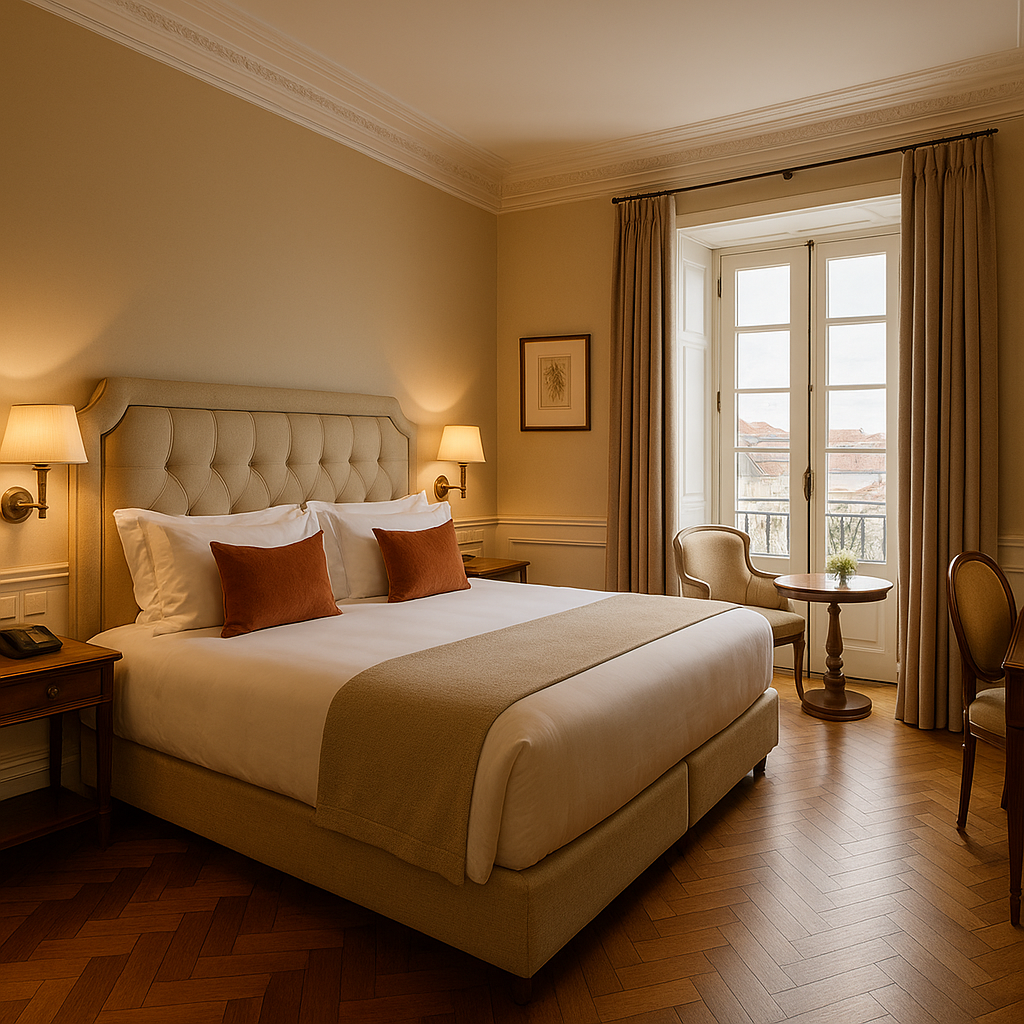
Portugal uses the Euro (€), and you'll find prices generally more affordable than in many UK cities, especially London. Card payments are widely accepted in most establishments, from restaurants to shops and even many smaller cafes. Visa and Mastercard are the most common, but American Express can be less so. It's always wise to carry some cash for smaller purchases, local markets, or places that might have a minimum card spend. ATMs are readily available across the city. A typical meal in a mid-range restaurant offers good value, while a coffee is budget-friendly. Public transport is very economical, and museum entry fees are usually reasonable. Budgeting for a comfortable experience per person per day (excluding accommodation) will allow for enjoyable sightseeing and dining.For first-time visitors, consider staying in Baixa or Chiado. These central districts offer excellent transport links, are close to major sights, and boast a fantastic array of shops, restaurants, and cultural venues.
Frequently Asked Questions
Can I use my mobile phone in Lisbon without huge roaming charges?
Yes, if your UK mobile provider still includes EU roaming in your plan, you should be able to use your phone without extra charges for calls, texts, and data. However, many providers have reintroduced roaming fees since Brexit, so it's crucial to check with your specific network provider before you travel to avoid any nasty surprises.
Is Lisbon safe for British tourists?
Lisbon is generally a very safe city for tourists. As with any major urban area, it's wise to be aware of your surroundings, especially in crowded areas like Rossio Square, Praça do Comércio, and on trams, where pickpocketing can occur. Keep valuables secure and be vigilant, particularly at night in less-frequented areas.
What's the best way to get around Lisbon from a British perspective?
Public transport is excellent and affordable. The Metro is efficient, and the historic trams (especially Tram 28) are a charming way to see the city. Consider walking where possible to truly soak in the atmosphere. Taxis and ride-sharing apps (like Uber or Bolt) are also readily available and reasonably priced compared to London.
Do I need to worry about driving in Lisbon as a Brit?
While you can drive in Portugal with a valid UK driving licence, driving in central Lisbon can be challenging due to narrow, hilly, and cobbled streets, one-way systems, and limited parking. For exploring areas outside the city, the most comfortable way to reach your destination is with a private driver — we recommend our local partner Portugal Magik.
What's the weather like for British visitors compared to the UK?
Lisbon boasts a Mediterranean climate, meaning much warmer and sunnier weather than the UK for most of the year. Summers are hot and dry (25-30°C+), springs and autumns are pleasantly warm (18-25°C), and even winters are mild (10-15°C) with more rainfall but still plenty of sunshine. Pack layers for evenings.
Are there any specific cultural differences British travellers should be aware of?
Portuguese culture is generally more relaxed and family-oriented. Punctuality is less rigid than in the UK. Politeness is highly valued, so always use 'Por favor' and 'Obrigado/a'. Dinner is often eaten later, typically starting around 8 PM or 9 PM. Don't be surprised by friendly greetings in shops or cafes.