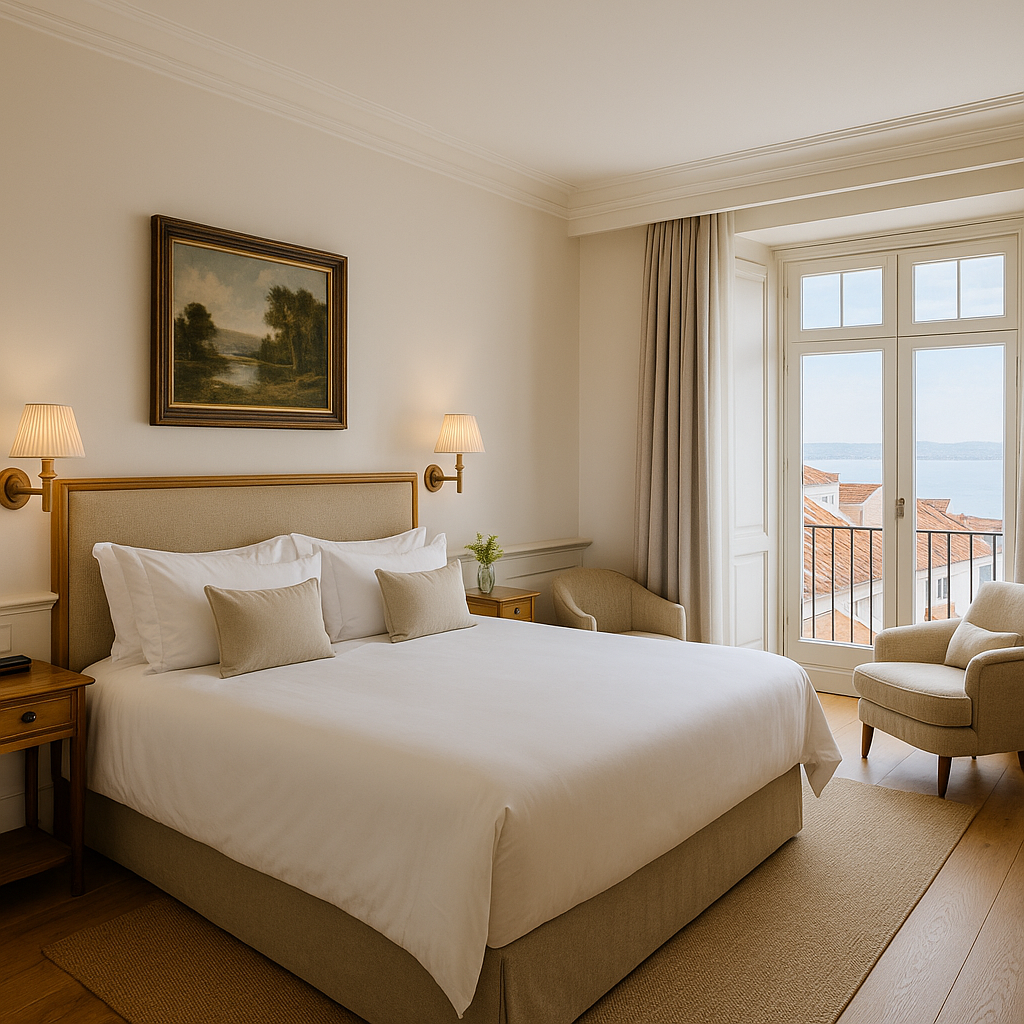
Bem-vindos a Lisboa! As a Brazilian visitor, you'll find a welcoming city brimming with history, culture, and a comforting familiarity in the language, yet distinct enough to offer a unique European adventure. This guide is tailored to help you navigate your journey from Brazil, ensuring a memorable and seamless experience in the Portuguese capital.
Visa & Entry Requirements for Brazilian Visitors
Brazilian citizens enjoy visa-free entry to Portugal and the Schengen Area for stays up to 90 days within any 180-day period. While a visa isn't required for tourism, you'll still need to present several documents upon arrival. Ensure your passport is valid for at least three months beyond your intended departure date from the Schengen Area. You should also be prepared to show proof of a return or onward ticket, documentation of accommodation (hotel bookings or an invitation letter from a host), and evidence of sufficient funds to cover your stay. Travel insurance with a minimum coverage of €30,000 for medical emergencies and repatriation is also highly recommended and sometimes requested. Please note that from 2025, Brazilian travellers will need to apply for an ETIAS (European Travel Information and Authorisation System) authorisation before travelling to the Schengen Area. Keep an eye on official updates regarding this new requirement.Flights from Brazil to Lisbon
Lisbon's Portela Airport (LIS) serves as a major gateway for travellers arriving from Brazil, offering numerous direct flight options. Key Brazilian cities like São Paulo (GRU) and Rio de Janeiro (GIG) have regular direct connections, primarily operated by airlines such as TAP Air Portugal and LATAM. These flights typically have a duration of approximately 9 to 10 hours, providing a convenient overnight journey across the Atlantic. Upon arrival at Lisbon Airport, reaching your accommodation in the city centre is straightforward. Taxis are readily available outside the terminals, offering a comfortable and direct transfer. Alternatively, ride-sharing services like Uber and Bolt also operate efficiently from the airport, providing another convenient option for reaching your destination without hassle.Language Tips
Navigating Lisbon with Brazilian Portuguese is generally easy, as locals appreciate the effort to speak their language. However, a few key differences in vocabulary, pronunciation, and grammar can be noticeable. For instance, what Brazilians call 'trem' (train) is 'comboio' in Portugal, 'ônibus' (bus) is 'autocarro', and 'suco' (juice) is 'sumo'. The 'tu' form of address is commonly used in Portugal, contrasting with the widespread use of 'você' in Brazil, which can sometimes sound a little formal or even impolite if used directly with individuals. Pronunciation also varies, particularly with 's' and 'z' sounds, which are often pronounced with a 'sh' sound at the end of words or before certain consonants in European Portuguese. Don't be shy to ask for clarification, and remember that Portuguese people are usually very patient and helpful when communicating with Brazilian visitors.Money and Costs
Portugal uses the Euro (€) as its currency. Credit and debit cards are widely accepted throughout Lisbon, particularly in hotels, restaurants, and shops. However, it's always advisable to carry some cash for smaller purchases, market stalls, or in more traditional, local establishments that might prefer it. ATMs, known as 'Multibanco', are plentiful and easy to find. In terms of costs, Lisbon offers a range of options for every budget. Accommodation can vary from budget-friendly hostels to mid-range boutique hotels and premium luxury stays, depending on the season and location. Dining out can also be quite affordable, especially if you opt for 'prato do dia' (dish of the day) in local 'tascas'. Expect to pay more for fine dining experiences. Many museums and attractions have entry fees, but some offer free entry on specific days – check their official websites for current details. Remember to inform your bank in Brazil of your travel plans to avoid any issues with card usage abroad.For first-time visitors, consider staying in central areas like Baixa, Chiado, or Príncipe Real for easy access to attractions, or Alfama for a truly historic, atmospheric experience.
Frequently Asked Questions
Is it easy to communicate in Lisbon with Brazilian Portuguese?
Yes, absolutely. While there are distinct differences in accent, vocabulary, and some grammar points between Brazilian and European Portuguese, communication will not be an issue. Locals are generally very welcoming and understanding of Brazilian visitors.
What are the main cultural differences I should be aware of?
Beyond language nuances, expect a generally slower pace of life. Tipping customs are less pronounced than in Brazil, and greetings might be slightly more formal. Meal times, especially dinner, tend to be later than what Brazilians are accustomed to.
Are credit cards widely accepted, or should I carry cash?
Credit and debit cards are widely accepted in most establishments across Lisbon. However, it's always wise to carry some cash for smaller purchases, local markets, or in smaller, traditional cafés and shops that might prefer cash payments.
Is Lisbon safe for Brazilian tourists?
Lisbon is generally considered a very safe city for tourists. As with any popular urban destination, it's advisable to be aware of your surroundings, especially in crowded areas, and take standard precautions against pickpocketing.
What's the best way to get from Lisbon Airport to my hotel?
The most convenient ways to reach your hotel from Lisbon Portela Airport (LIS) are by taxi or by using ride-sharing services such as Uber or Bolt. Both options offer a direct and comfortable transfer to your accommodation.
Can I drink tap water in Lisbon?
Yes, tap water in Lisbon is perfectly safe and pleasant to drink. Carrying a reusable water bottle is a great way to stay hydrated while exploring the city.