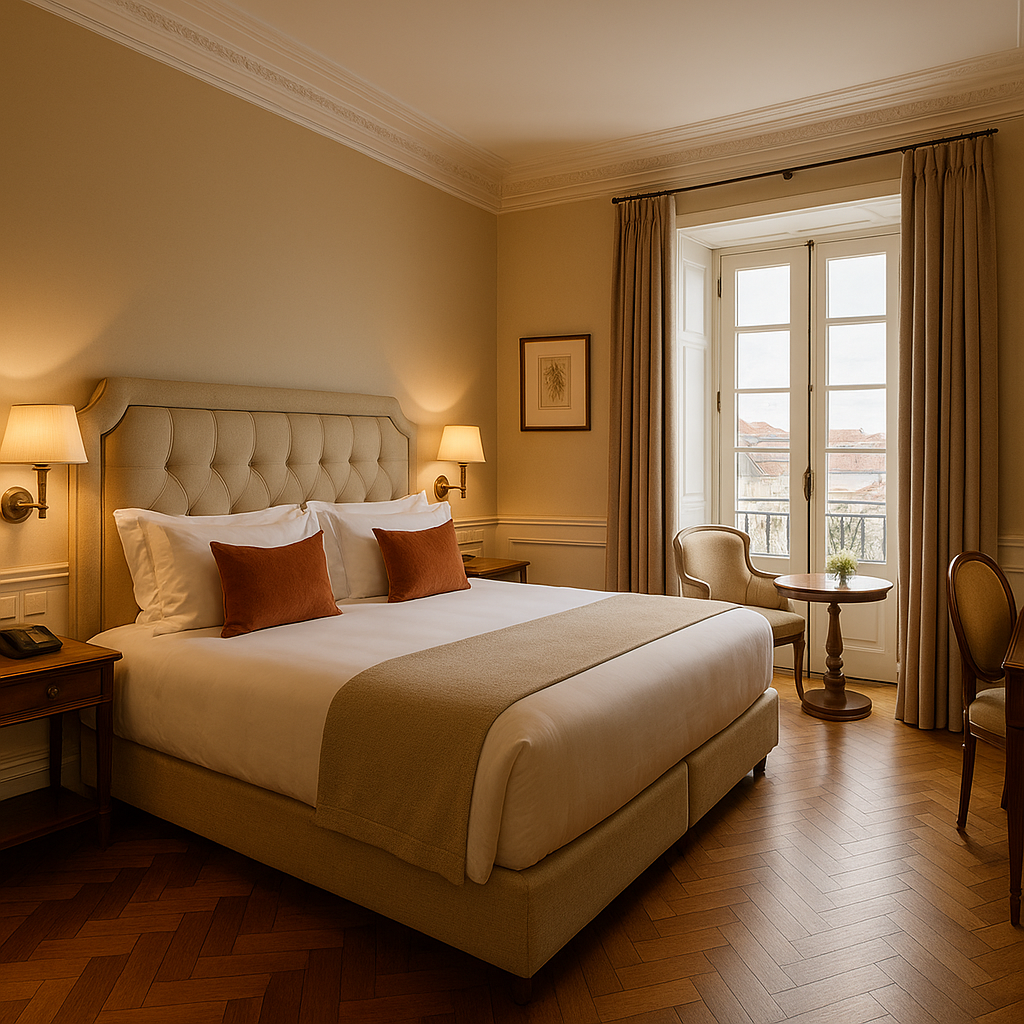
Bem-vindo! As a Belgian traveller, you're in for a treat with Lisbon's charming blend of historic allure and vibrant modernity. From its iconic hilly streets to its delectable cuisine, Portugal's capital offers a truly unforgettable experience. Prepare to immerse yourself in a city where every corner tells a story, and the sun always seems to shine a little brighter.
Visa & Entry Requirements for Belgian Visitors
As Belgium and Portugal are both members of the European Union and the Schengen Area, Belgian citizens benefit from straightforward entry requirements for travel to Lisbon. You will not need a visa to visit Portugal for tourism purposes, provided your stay does not exceed 90 days within any 180-day period. When travelling, it is essential to carry a valid Belgian identity card or passport. While a passport is not strictly mandatory for EU citizens travelling within the Schengen zone, it is always recommended for international travel for ease of transit. It is also advisable to carry your European Health Insurance Card (EHIC), which allows access to medically necessary, state-provided healthcare during a temporary stay. While not a substitute for travel insurance, the EHIC is valuable. If you plan to drive, your Belgian driving licence is fully recognised. For those travelling with pets, specific EU regulations apply; ensure your pet has a valid EU pet passport, microchip, and up-to-date vaccinations. Always check the latest official government guidelines closer to your travel date.Flights from Belgian to Lisbon
Lisbon is easily accessible from Belgium, with numerous direct flight options available from major Belgian airports. Brussels Airport (BRU) and Charleroi Airport (CRL) serve as primary departure points. Carriers such as TAP Air Portugal and Brussels Airlines operate routes from Brussels, providing a full-service experience. For those seeking budget-friendly options, airlines like Ryanair and Wizz Air often fly from Charleroi. The flight duration typically ranges from approximately two and a half to three hours, making Lisbon a convenient destination. All international flights arrive at Lisbon Humberto Delgado Airport (LIS), conveniently located just a few kilometres north of the city centre. Upon arrival, getting to your accommodation is straightforward. Taxis are readily available outside the terminal, or you can use ride-hailing services like Uber or Bolt. For the most comfortable and seamless transition directly to your hotel, especially with significant luggage, arranging a private driver in advance is highly recommended. Request a tailored quote for this premium service.Language Tips
The official language of Portugal is Portuguese, a beautiful Romance language. While English is widely spoken in tourist-heavy areas, hotels, and many restaurants in Lisbon, making an effort to learn a few basic Portuguese phrases will greatly enhance your experience and is always appreciated by locals. Phrases like 'Olá' (hello), 'Bom dia' (good morning), 'Boa tarde' (good afternoon), 'Boa noite' (good evening/night), 'Por favor' (please), 'Obrigado/Obrigada' (thank you – masculine/feminine), and 'Com licença' (excuse me) can go a long way. Many Portuguese people, particularly the older generations, may also have some understanding of French. However, do not expect it to be as universally understood as English. When interacting, a polite greeting and a smile are always a good start. Don't be afraid to try out your Portuguese; even imperfect attempts are generally met with warmth and encouragement. The genuine effort to speak the local language is a gesture of respect that truly enriches your cultural immersion.Money and Costs
Portugal uses the Euro (€), the same currency as Belgium, which simplifies financial transactions for Belgian visitors. ATMs (Multibanco) are widely available throughout Lisbon and accept most international debit and credit cards. Card payments are common in shops, restaurants, and hotels, but it's always wise to carry some cash for smaller purchases or market stalls. Generally, Lisbon offers a more budget-friendly experience compared to major Belgian cities like Brussels or Antwerp, allowing your travel budget to stretch further. Accommodation options range from budget-friendly hostels to mid-range boutique hotels and premium luxury stays, with pricing varying significantly based on location, season, and amenities. Dining out can also be very affordable, especially if you opt for local tascas or daily 'prato do dia' specials, which offer excellent value. Activities and attractions vary in cost; some major museums or monuments have entry fees, while many churches and viewpoints are free to explore. For private transfers or bespoke day tours, pricing depends on group size, vehicle type, and the specific route or duration, so it's best to request a tailored quote for these services.For first-time visitors, Baixa and Chiado offer central locations with excellent access to major sights and a lively atmosphere. Alfama provides historic charm with winding streets, while Principe Real is known for its elegant boutiques and sophisticated dining, ideal for a more upscale experience.
Frequently Asked Questions
Is tap water safe to drink in Lisbon?
Yes, tap water in Lisbon is generally safe to drink and meets EU standards, though many locals prefer bottled water for taste.
What is the best way to get around Lisbon without using public transport?
For getting around Lisbon, walking is excellent for exploring neighbourhoods. Taxis, Uber, and Bolt are readily available and convenient for longer distances or when tired. A scenic ride on a historic yellow tram can also be a delightful experience for specific routes.
Are Portuguese electrical sockets the same as in Belgium?
Yes, Portugal uses Type F electrical sockets (Schuko) and operates on a 230V supply voltage and 50Hz frequency, which is identical to Belgium, so you won't need an adapter.
Is Lisbon suitable for families with children, similar to Belgian cities?
Absolutely, Lisbon is very family-friendly, offering numerous parks, child-friendly museums, and attractions like the Oceanário. Many restaurants are accommodating, and the city's relaxed pace often appeals to families.
How does Lisbon's weather compare to Belgium's?
Lisbon enjoys a Mediterranean climate with much warmer, drier summers and milder, wetter winters than Belgium. Expect significantly more sunshine throughout the year, especially from spring to autumn.
Can I expect similar food allergies awareness in Lisbon as in Belgium?
While awareness is growing, it might not be as widespread or explicitly marked as in Belgium. It's always best to clearly communicate any allergies in Portuguese (e.g., "Sou alérgico a..." - I am allergic to...) when ordering food.