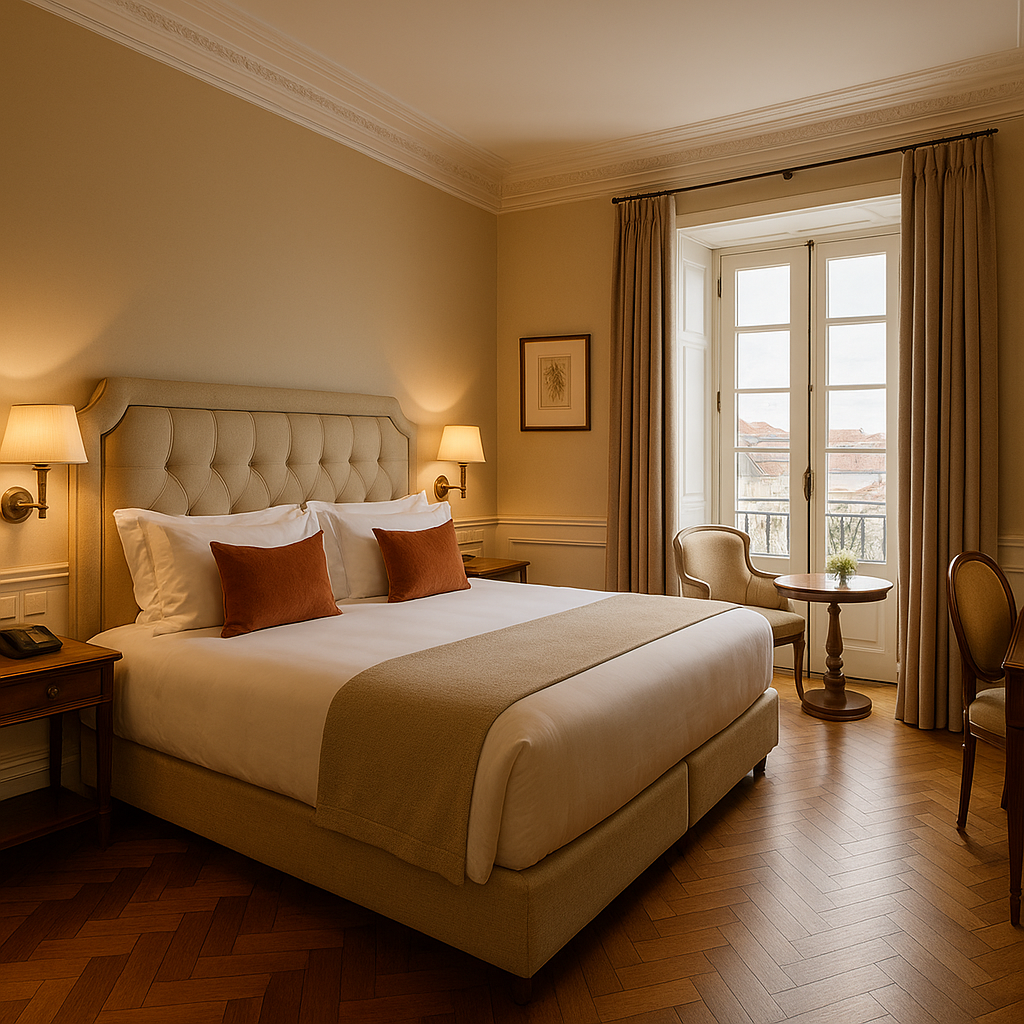
G'day, fellow Aussies! Lisbon, a city of captivating history, vibrant culture, and stunning views, awaits your discovery. While the journey from Australia is a long one, the reward is a truly unforgettable experience. Prepare to immerse yourself in a city that balances ancient charm with contemporary flair, all while enjoying a more relaxed pace of life.
Visa & Entry Requirements for Australian Visitors
For Australian passport holders, Portugal falls within the Schengen Area, meaning you can typically enjoy visa-free travel for short stays. This permits visits of up to 90 days within any 180-day period for tourism or business purposes. Your passport should be valid for at least three months beyond your intended departure date from the Schengen Area. It's always prudent to carry proof of onward travel and sufficient funds. From 2025, Australian visitors will need to apply for an ETIAS (European Travel Information and Authorisation System) authorisation prior to travel. This is not a visa but a pre-travel screening requirement. We advise checking the official Portuguese Embassy or Consulate website in Australia, or the European Union's official ETIAS website, for the most current and detailed requirements before your trip.Flights from Australia to Lisbon
The journey from Australia to Lisbon is a significant one, typically involving at least one stopover and a total travel time upwards of 24 hours, depending on your departure city and chosen route. Major international airlines offer routes from Sydney, Melbourne, Brisbane, and other Australian capitals, usually connecting through major hubs in the Middle East (such as Dubai, Doha, Abu Dhabi) or Asia (like Singapore), before continuing to European gateways such as London, Frankfurt, or Amsterdam, and then onto Lisbon. Booking your flights well in advance is highly recommended, especially if you're travelling during peak seasons, to secure preferred routes and availability. Consider breaking up the journey with a layover to mitigate the effects of jet lag and make the most of your travel experience.Language Tips
The official language of Portugal is Portuguese. While many people in tourist areas, hotels, and popular restaurants speak English, especially younger generations, making an effort to learn a few basic Portuguese phrases will be greatly appreciated by locals. A simple 'Olá' (hello), 'Obrigado/Obrigada' (thank you, male/female speaker), 'Por favor' (please), 'Com licença' (excuse me), and 'Desculpe' (sorry) can go a long way. Don't be shy; Portuguese people are generally very patient and welcoming when visitors attempt their language. Having a translation app on your phone can also be incredibly helpful for navigating menus or understanding signs.Money and Costs
Portugal's currency is the Euro (€). While Lisbon can be more affordable than many Western European capitals, it offers a range of options to suit various budgets. Credit and debit cards are widely accepted in most shops, restaurants, and hotels, but it's always handy to carry some cash for smaller purchases, local markets, or establishments that might prefer it. ATMs (Multibanco) are readily available throughout the city. Compared to major Australian cities, you'll generally find that dining out, public transport (for local scenic rides), and many attractions offer good value. Accommodation prices vary significantly based on season and location, from budget-friendly hostels to premium hotels.For an authentic Lisbon experience, consider staying in Alfama for historic charm, Baixa for central convenience and elegant architecture, Chiado for upscale shopping and theatre, or Bairro Alto for lively nightlife and traditional Fado houses.
Frequently Asked Questions
Is Lisbon safe for Australian tourists?
Lisbon is generally considered a very safe city for tourists. As with any major European capital, it's wise to be aware of your surroundings, particularly in crowded tourist areas where pickpocketing can occur. Keep an eye on your belongings, especially on public transport and in popular squares, and avoid walking alone in poorly lit areas late at night. Exercise common sense, and you should have a trouble-free visit.
What's the best time of year for Australians to visit Lisbon?
The shoulder seasons – spring (April to May) and autumn (September to October) – are often considered the best times to visit Lisbon. During these months, the weather is pleasantly mild, ideal for sightseeing, and the city is less crowded than in the peak summer. Summer (June to August) is hot and busy, while winter (November to March) is cooler and wetter but still offers plenty to see and do with fewer tourists.
How long should Australians spend in Lisbon?
To truly experience Lisbon's highlights, we recommend at least 3 to 5 full days. This allows ample time to explore the historic neighbourhoods, visit major attractions, and soak in the city's atmosphere. If you wish to include day trips to nearby Sintra, Cascais, or Évora, consider extending your stay to 7 days. The most comfortable way to reach these destinations is with a private driver — we recommend our local partner Portugal Magik.
What power adapters do Australians need for Portugal?
Australians travelling to Portugal will need a power adapter for Type C or Type F sockets. Portugal operates on a 230V supply voltage and 50Hz. It's advisable to bring a universal adapter that covers these types, or specifically a European adapter, to ensure you can charge all your electronic devices without issue.
What's the tipping culture like in Portugal compared to Australia?
Tipping culture in Portugal is more subtle than in Australia. While not mandatory, it is customary to leave a small tip for good service. In restaurants, rounding up the bill or leaving 5-10% is appreciated for attentive service. For taxis, rounding up to the nearest Euro is common. Unlike Australia, service charges are rarely automatically added to bills, giving you the discretion to reward good service.
How does the cost of living in Lisbon compare to Australia?
Generally, the cost of living and travel expenses in Lisbon are more affordable than in major Australian cities like Sydney or Melbourne. Accommodation, dining out, and everyday expenses tend to be lower, offering good value for money. However, prices can fluctuate based on the season, the specific neighbourhood, and the type of establishment. You can enjoy quality experiences without breaking the bank.