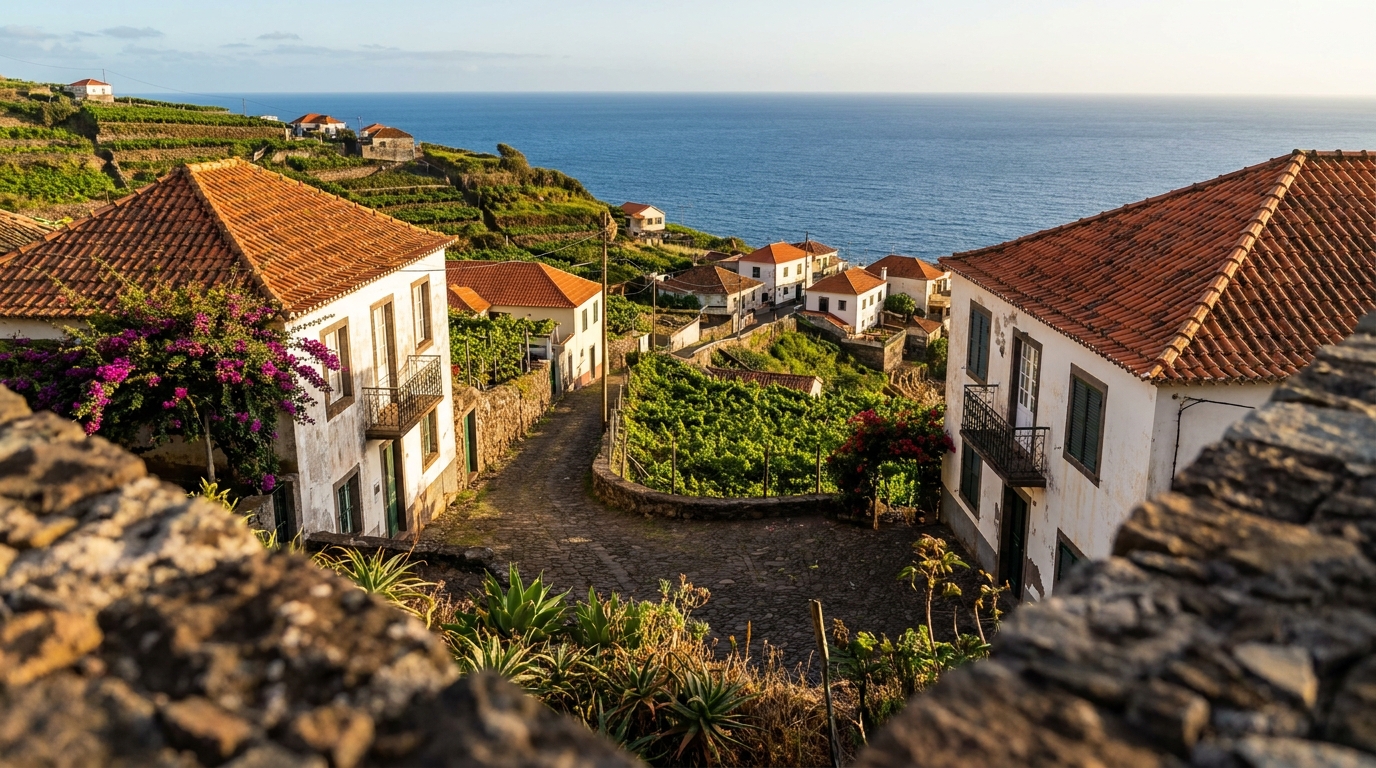
Welcome to Madeira, the 'Pearl of the Atlantic', a captivating island renowned for its dramatic landscapes, lush botanical gardens, and charming coastal towns. This Portuguese archipelago offers a unique blend of adventure and relaxation. From exhilarating levada walks to vibrant cultural experiences in Funchal, Madeira promises an unforgettable escape for every traveller. Prepare to be enchanted by its year-round spring climate and the warmth of its people.
Why Visit Madeira Travel Guide: Things to Do, Eat & See
Madeira, an autonomous region of Portugal, consistently captivates visitors with its extraordinary natural beauty and vibrant culture. Often dubbed the 'Garden of the Atlantic', this volcanic island boasts unparalleled diversity, from towering sea cliffs that plunge into the ocean to verdant valleys blanketed in ancient laurel forests, a UNESCO World Heritage site. Its subtropical climate ensures pleasant temperatures throughout the year, making it an ideal escape at any season. Beyond its stunning scenery, Madeira offers a rich tapestry of experiences. The capital, Funchal, is a charming city brimming with historical sites, bustling markets, and picturesque cobblestone streets. Adventurers will revel in the extensive network of levada walks, ancient irrigation channels that now serve as scenic hiking trails, offering breathtaking views and access to untouched nature. The island's unique gastronomy, particularly its fresh seafood and famous Madeira wine, provides a delightful culinary journey. Whether you seek thrilling outdoor activities, serene garden strolls, or a deep dive into local traditions, Madeira presents an irresistible invitation to explore its many wonders.Getting to Madeira Travel Guide: Things to Do, Eat & See
Madeira is an island destination, primarily accessed by air. Funchal's Cristiano Ronaldo International Airport (FNC) serves as the main gateway, with regular flights connecting the island to various European cities. Travellers from the UK, Germany, and other European hubs will find direct flights, making the journey convenient and relatively swift. The flight duration from Lisbon is approximately 1 hour and 40 minutes, while from London, it typically takes around 3 hours and 45 minutes. Upon arrival at FNC, the airport is well-connected to Funchal city centre, a drive of roughly 20-30 minutes, depending on traffic. For exploring Funchal itself, the city centre is largely walkable, allowing visitors to discover its charming streets and historical sites on foot. Taxis and ride-sharing services like Uber and Bolt are readily available for shorter distances. For those wishing to venture further afield to explore the island's diverse landscapes, such as the remote levada starting points or picturesque villages, the most comfortable way to reach these destinations is with a private driver — we recommend our local partner Portugal Magik. This offers flexibility and comfort, allowing you to enjoy the scenery without the complexities of navigating unfamiliar roads.Where to Stay in Madeira Travel Guide: Things to Do, Eat & See
Choosing where to stay in Madeira largely depends on your travel style and preferences. The capital, Funchal, is the most popular choice for first-time visitors and those seeking a vibrant urban experience combined with resort amenities. Here, you'll find a wide range of accommodation, from luxurious five-star hotels with ocean views to charming boutique guesthouses in the historic centre. Staying in Funchal offers easy access to museums, restaurants, shops, and the city's lively nightlife. For those desiring more tranquility and sunshine, the western south coast areas like Calheta or Ponta do Sol are excellent options. These regions boast a microclimate known for more consistent sunshine and offer a selection of modern villas, self-catering apartments, and smaller, intimate hotels, often with stunning sea views. If you're drawn to Madeira's raw natural beauty and a more rural, authentic experience, consider staying in the north, around Santana or Porto Moniz. Here, you'll find charming rural tourism accommodations, often traditional Madeiran houses, offering a peaceful retreat amidst dramatic landscapes and close proximity to hiking trails and natural swimming pools. Each area provides a unique perspective on the island, ensuring a perfect base for your Madeiran adventure.Always carry layers of clothing, even on sunny days, as the weather can change rapidly when exploring different altitudes or coastal areas of Madeira.
Best Time to Visit Madeira Travel Guide: Things to Do, Eat & See
Madeira is affectionately known as the 'Island of Eternal Spring', boasting a remarkably mild subtropical climate that makes it an attractive destination throughout the entire year. Temperatures rarely drop below 17°C in winter or exceed 25°C in summer. However, the 'best' time can depend on your preferred activities. Spring (March to May) is particularly enchanting, with the island in full bloom, making it ideal for garden enthusiasts and hikers. The famous Flower Festival typically takes place in April or May. Summer (June to August) offers the warmest and driest weather, perfect for beach days, swimming in the natural pools, and enjoying boat trips, though it is peak season. Autumn (September to November) remains pleasantly warm and less crowded, with sea temperatures still inviting. Winter (December to February) is mild and often sunny, making it popular for escaping colder northern European climates. Madeira's New Year's Eve fireworks display is world-renowned and a major draw, transforming Funchal into a spectacular celebratory scene. Regardless of when you choose to visit, Madeira's unique charm ensures a memorable experience.Frequently Asked Questions
Is Madeira expensive?
Madeira offers options for various budgets. Accommodation ranges from budget-friendly guesthouses to premium resorts. Dining can be affordable in local tavernas or more upscale in fine-dining establishments. Activities like levada walks are free, while organised tours and private transfers require a tailored quote. Overall, it provides good value for a European island destination.
How many days do I need in Madeira?
To truly experience Madeira's diverse offerings, a stay of 5 to 7 days is generally recommended. This allows sufficient time to explore Funchal, undertake a few levada walks, visit key attractions, and perhaps enjoy a day trip to the north coast or Porto Santo island. A shorter visit might feel rushed, while longer stays allow for deeper exploration and relaxation.
Do I need a car in Madeira?
While a private driver offers the most comfortable and flexible way to explore the island's more remote attractions and hiking trails, Funchal itself is very walkable. Taxis and ride-sharing services like Uber and Bolt are available for local trips within the city. For excursions across the island, a private driver is recommended, allowing you to relax and enjoy the scenery without navigating unfamiliar roads.
What is the local drink of Madeira?
Madeira is famous for two distinct beverages: Madeira Wine, a fortified wine with a rich history and diverse styles, and Poncha, a potent cocktail typically made from aguardente de cana (cane spirit), honey, lemon juice, and various fruit juices. Both are integral to the island's culinary identity and must be tried.
Are the levada walks difficult?
Levada walks vary significantly in difficulty, ranging from easy, flat strolls suitable for all ages to challenging routes with steep ascents, narrow paths, and tunnels. It's crucial to research the specific levada's difficulty level, length, and required fitness before embarking. Always wear appropriate footwear and carry water.
Can you swim in Madeira?
Yes, Madeira offers several fantastic spots for swimming. While the island is not known for expansive sandy beaches, it boasts beautiful natural volcanic rock pools, particularly in Porto Moniz and Seixal, which are perfect for a refreshing dip. There are also several pebble beaches and lido complexes with ocean access in Funchal and along the south coast.