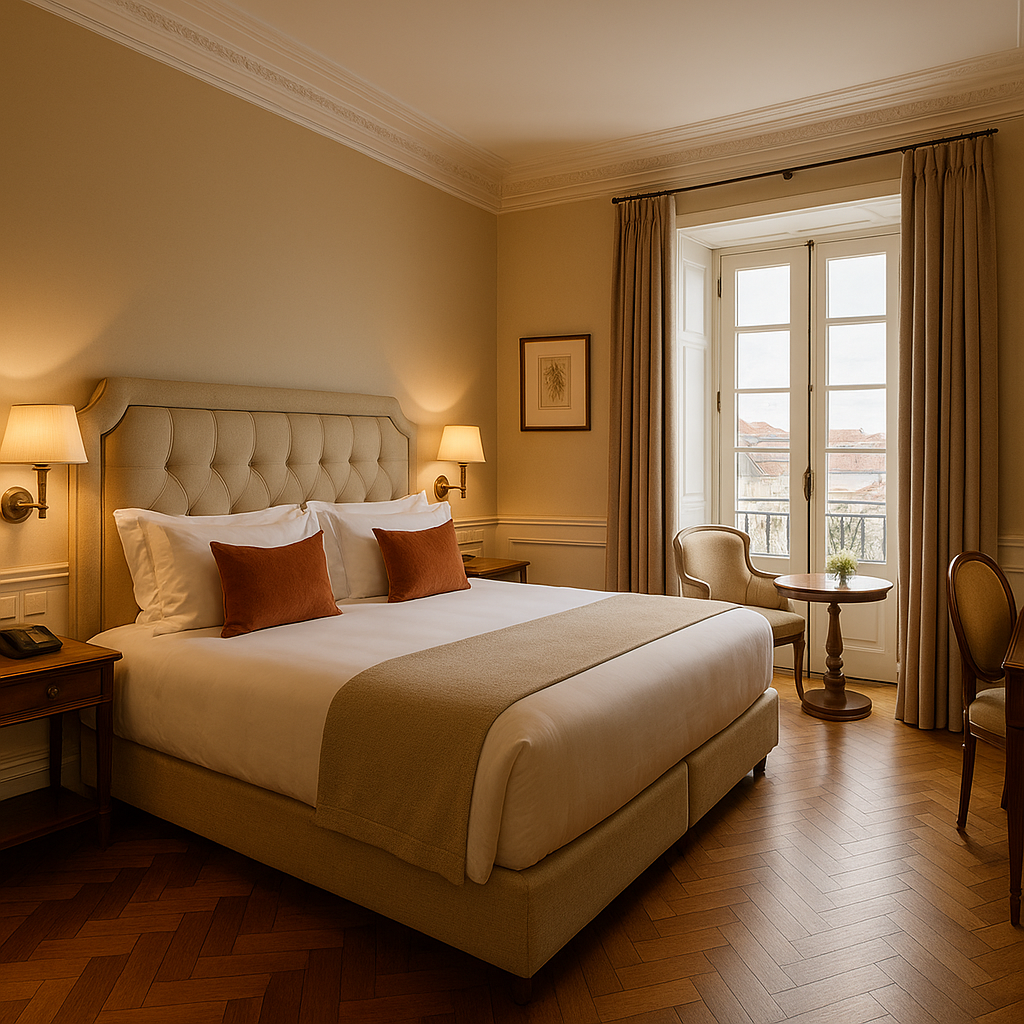
Welcome to Lisbon, Portugal's captivating capital, where historic charm meets modern vibrancy. This meticulously crafted 3-day itinerary is designed to immerse first-time visitors in the city's unique atmosphere, from ancient neighbourhoods to iconic landmarks. Prepare to explore stunning viewpoints, indulge in delicious cuisine, and soak in the rich culture of this magnificent riverside city.
Itinerary Overview: Lisbon's Highlights in Three Days
This itinerary offers a balanced blend of Lisbon's must-see attractions, ensuring a memorable first visit. Day one focuses on the city's oldest districts, Alfama and Baixa-Chiado, where you'll wander through narrow streets, discover grand squares, and experience the soulful sounds of Fado. Day two takes you to the monumental Belém district, a testament to Portugal's Age of Discovery, followed by the contemporary buzz of LX Factory and Cais do Sodré. For your final day, prepare for an enchanting escape to the fairytale palaces of Sintra and the coastal elegance of Cascais, easily accessible with a private driver. Each day is designed to be explored at a comfortable pace, allowing ample time for discovery, photography, and savouring local flavours. Lisbon is a city best explored on foot, but taxis, Uber, and Bolt are readily available for longer distances or when your legs need a rest. The iconic yellow tram also offers a scenic ride through some of the city's most picturesque areas, though it's not recommended as your primary mode of transport for covering long distances.Day 1 — Historic Alfama and Grand Baixa-Chiado
Begin your Lisbon adventure in Alfama, the city's oldest district, a labyrinth of winding streets and ancient houses that survived the 1755 earthquake. Start your morning at São Jorge Castle, perched atop one of Lisbon's seven hills, offering panoramic views over the city and the Tagus River. Afterwards, descend through Alfama's charming alleys, stopping at the Lisbon Cathedral (Sé de Lisboa) and admiring the views from Miradouro das Portas do Sol and Miradouro de Santa Luzia. For lunch, choose one of the many traditional eateries in Alfama. In the afternoon, head to Baixa, the elegant downtown district rebuilt after the earthquake. Stroll through the grid-patterned streets, visit Rossio Square, and make your way to Praça do Comércio, a majestic riverside square. From Baixa, ascend to Chiado, the sophisticated shopping and theatre district. Explore Rua Garrett, browse boutiques, and enjoy a coffee at the historic 'A Brasileira' café. As evening approaches, consider experiencing a traditional Fado show in Alfama or the Bairro Alto district, accompanied by authentic Portuguese dining. Taxis, Uber, or Bolt are convenient for navigating between these central areas, especially in the evening.Day 2 — Belém's Maritime Heritage and Riverside Modernity
Devote your morning to the historic Belém district, a symbol of Portugal's maritime prowess. Start at the Jerónimos Monastery, a UNESCO World Heritage site and a masterpiece of Manueline architecture, where Vasco da Gama once prayed. Just a short walk away, you'll find the iconic Belém Tower, a fortified tower that served as a point of embarkation and disembarkation for Portuguese explorers. Nearby is the Monument to the Discoveries (Padrão dos Descobrimentos), celebrating the explorers of the Age of Discovery. No visit to Belém is complete without tasting the famous 'Pastéis de Belém' at the original factory – be prepared for a queue, but it's well worth it. A taxi, Uber, or Bolt offers the most comfortable way to reach Belém from central Lisbon. In the afternoon, transition from history to contemporary culture with a visit to LX Factory. Located under the 25 de Abril Bridge, this former industrial area has been transformed into a vibrant hub of unique shops, art studios, restaurants, and cafés. It's a fantastic spot for browsing independent designers and enjoying a relaxed atmosphere. Conclude your day in Cais do Sodré, known for its lively nightlife and diverse dining scene. Explore the Mercado da Ribeira, now home to the popular Time Out Market, offering a wide array of gourmet food stalls. For dinner, Cais do Sodré or the nearby Bairro Alto offers numerous options.Day 3 — Fairytale Sintra and Coastal Cascais Escape
Embark on an enchanting day trip to Sintra, a UNESCO World Heritage site renowned for its romantic 19th-century architecture and lush landscapes. The most comfortable way to reach Sintra from Lisbon is with a private driver — we recommend our local partner Portugal Magik. The journey typically takes around 40-50 minutes. Start your morning exploring the colourful and whimsical Pena Palace, a stunning example of Romanticism, offering breathtaking views from its hilltop position. Afterwards, delve into the mystical Quinta da Regaleira, famous for its enigmatic Initiation Well, grottoes, and extensive gardens. After a captivating morning in Sintra, your private driver can take you to the charming coastal town of Cascais, approximately 30 minutes away. Once a quiet fishing village, Cascais became a popular resort for Portuguese royalty and nobility. Stroll through its elegant pedestrian streets, relax on the sandy beaches, or enjoy a fresh seafood lunch at one of the many excellent restaurants overlooking the harbour. You can also take a leisurely walk along the 'paredão', the seaside promenade. As the afternoon draws to a close, your private driver will ensure a comfortable return journey to Lisbon, which typically takes around 40 minutes, allowing you to reflect on a day filled with stunning scenery and historical grandeur.To enhance your experience, consider booking accommodation and popular attraction tickets, such as São Jorge Castle or Pena Palace, in advance, especially during peak travel seasons.
Budget & Practical Information
Lisbon offers experiences to suit various budgets, from budget-friendly hostels and traditional eateries to mid-range hotels and premium dining. Accommodation prices fluctuate significantly based on season, location, and property type. For attractions, many historical sites and museums have an entry fee; it's always best to check their official websites for current ticket prices and opening hours. Some museums may offer free entry on specific days or times, which is worth investigating. The official currency in Portugal is the Euro (€). Credit and debit cards are widely accepted, but it's always useful to carry some cash for smaller purchases or local markets. The official language is Portuguese, but English is widely spoken in tourist areas, hotels, and restaurants, so communication is generally straightforward. When moving within the city, walking is often the best way to soak in the atmosphere, but for longer distances or convenience, taxis, Uber, and Bolt are readily available and provide a comfortable way to get around.Frequently Asked Questions
How much does a 3-day trip to Lisbon typically cost?
The cost of a 3-day trip to Lisbon can vary significantly. It can be a budget-friendly destination if you opt for hostels, casual dining, and free attractions. For a mid-range experience with comfortable hotels, restaurant meals, and a few paid attractions, the cost will be higher. A premium trip involving luxury accommodation, fine dining, and private tours would be at the top end. It's best to consider your personal preferences for accommodation, dining, and activities to estimate your budget.
What's the best way to get around Lisbon between attractions?
Within Lisbon, the best ways to get between attractions are by walking, taking a taxi, or using ride-hailing services like Uber or Bolt. Walking allows you to discover hidden gems in the city's charming neighbourhoods. For covering longer distances or navigating the hilly terrain, taxis, Uber, and Bolt are convenient and readily available. The iconic yellow tram also offers a scenic experience for shorter, picturesque rides.
Is Lisbon family-friendly for first-time visitors?
Yes, Lisbon is a very family-friendly city. Many attractions, like São Jorge Castle, offer engaging experiences for children. The city's numerous parks and gardens provide space for play, and the Oceanário de Lisboa is a popular choice for all ages. Eating out is generally relaxed, with many restaurants accommodating families. When planning, consider the hilly terrain and use taxis or ride-hailing services for ease of movement with younger children.
What is the best season to visit Lisbon?
The best seasons to visit Lisbon are spring (April to June) and autumn (September to October). During these periods, the weather is pleasantly mild, with plenty of sunshine and fewer crowds compared to the peak summer months. This allows for comfortable exploration of the city's outdoor attractions and enjoyable dining experiences. Summer (July and August) can be very hot and crowded, while winter (November to March) is cooler and wetter, though still generally mild.
Where should I stay in Lisbon for a first-time visit?
For first-time visitors, excellent areas to stay include Baixa, Chiado, and Alfama. Baixa offers a central, flat location with easy access to major sights and transport. Chiado is ideal for those who enjoy shopping, theatre, and a vibrant atmosphere. Alfama provides an authentic, historic experience with charming, narrow streets. Bairro Alto is also popular, especially for its nightlife, but can be noisy in the evenings. Each area offers a range of accommodation options.
Are there any good day trip alternatives to Sintra and Cascais?
Yes, if Sintra and Cascais don't align with your interests, other excellent day trip options from Lisbon include Évora and Óbidos. Évora, a UNESCO World Heritage site, is a charming walled city known for its Roman Temple and Chapel of Bones, approximately 1.5 hours' drive. Óbidos is a picturesque medieval town enclosed by walls, about an hour's drive north of Lisbon. Both offer unique historical insights and are best explored with a private driver for comfort and flexibility.