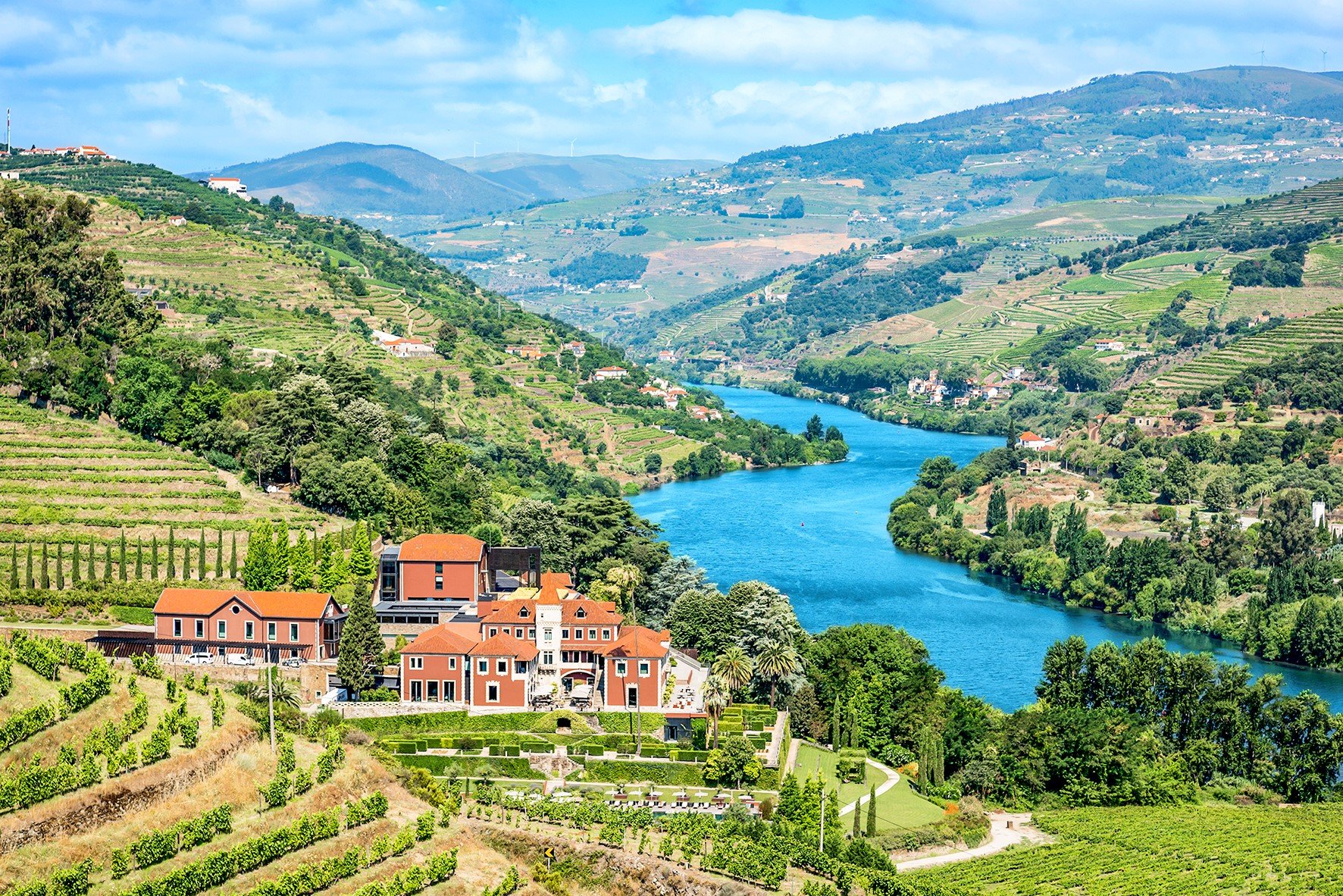
The Delfim Douro Hotel, nestled on the banks of the majestic Douro River, offers an ideal base for exploring Portugal's renowned wine region. The Douro Valley, a UNESCO World Heritage site, is famous for its stunning terraced vineyards and exceptional wines, particularly Port. This guide provides practical insights into engaging with the region's rich viticultural heritage, ensuring a memorable and seamless experience.
Understanding the Douro Wine Region
The Douro Valley is Portugal's oldest demarcated wine region, established in 1756. Its unique microclimate and schist soils are perfect for growing the grapes that produce both fortified Port wine and high-quality Douro DOC table wines. When planning your visits, you'll encounter 'quintas' – wine estates ranging from small, family-run operations to larger, more commercial ventures. Each offers a distinct experience, from guided tours of their vineyards and cellars to structured tasting sessions. Understanding the difference between a tawny, ruby, or vintage Port, or a robust Douro red, will enhance your appreciation. Many quintas are within a relatively short distance of the Delfim Douro, making half-day or full-day excursions highly feasible.Recommended Quintas for Visits and Tastings
Several esteemed quintas are easily accessible from the Delfim Douro Hotel, offering diverse wine experiences. Quinta do Vallado, one of the oldest and most famous, is just a short drive away from Peso da Régua, offering comprehensive tours and tastings of both Port and Douro DOC wines. Its modern winery contrasts beautifully with its historic cellars. Another excellent choice is Quinta da Pacheca, known for its charming accommodation and immersive wine activities, including grape stomping during harvest season. For a more intimate experience, consider Quinta das Carvalhas, which provides breathtaking panoramic views and insightful tours focused on sustainable viticulture. The most comfortable way to reach these estates is with a private driver — we recommend our local partner Portugal Magik.Douro River Cruises: A Different Perspective
Experiencing the Douro Valley from the river offers a unique perspective on the terraced vineyards and the region's dramatic landscape. Various river cruises depart from nearby Peso da Régua or Pinhão, ranging from short, one-hour trips to full-day excursions. Many cruises include a visit to a quinta for a tasting, or feature onboard wine service, allowing you to sample local wines while gliding past the stunning scenery. You can choose between traditional Rabelo boats, which historically transported Port wine barrels, or more modern vessels with comfortable amenities. A private driver can arrange transport to and from the departure points, ensuring a smooth transition for your river adventure. Be sure to book your cruise in advance, especially during peak season.During the harvest season (typically late August to October), many quintas offer special experiences such as grape stomping. If you're visiting during this period, inquire about these unique activities well in advance, as they are highly sought after.
Costs & Timing for Wine Experiences
The cost of wine experiences in the Douro Valley varies significantly depending on the type of tour, the number of wines tasted, and whether food pairings are included. Basic tastings might be budget-friendly, while premium or private tours, often featuring older vintages or exclusive cellar access, will be a more significant investment. River cruises also range in price based on duration and inclusions. For private transfers to quintas or cruise departure points, pricing depends on group size, vehicle and route. Regarding timing, most quinta tours and tastings last between 1 to 2 hours, excluding travel time. A half-day typically allows for one comprehensive quinta visit, while a full day could accommodate two quintas and potentially a short river cruise. Always check the official sites or contact the quintas directly for current offerings and to request a tailored quote for bespoke experiences.Frequently Asked Questions
What is the best time of year to visit the Douro Valley for wine experiences?
The spring (April-May) offers lush green landscapes and pleasant temperatures. Autumn (September-October) is harvest season, providing a vibrant atmosphere and opportunities for grape stomping. Summer (June-August) is warm, ideal for river cruises, while winter (November-March) is quieter with a chance of crisp, clear days.
Do I need to book wine tours and tastings in advance?
Yes, it is highly recommended to book all wine tours and tastings in advance, especially during peak season (spring and autumn) and weekends. Many quintas operate on an appointment-only basis for guided tours.
What types of wine can I expect to taste in the Douro Valley?
You will primarily taste Port wine (Ruby, Tawny, White, Rosé, Vintage) and Douro DOC table wines, which include robust red blends and crisp white wines. Some quintas also produce olive oil and other regional products.
How long does a typical wine tour and tasting last?
Most standard tours and tastings at a quinta last approximately 1 to 1.5 hours. More extensive experiences, including vineyard walks or lunch, can extend to 2-3 hours or more.
Can I visit the Douro Valley if I don't drink alcohol?
Absolutely. The Douro Valley offers stunning landscapes, charming villages, and delicious regional cuisine. Many quintas offer non-alcoholic alternatives during tastings, and the scenic river cruises are enjoyable for everyone.
What is the difference between a 'quinta' and a 'producer'?
A 'quinta' refers to the wine estate or farm where grapes are grown and wine is often produced. A 'producer' is the company or individual responsible for making and selling the wine, who may own one or several quintas, or source grapes from others.
Are there dining options available at the quintas?
Many larger quintas feature excellent restaurants or offer light meals and tapas that pair beautifully with their wines. It's advisable to inquire about dining options and make reservations when booking your tasting or tour.
Is the Douro Valley accessible for travellers with limited mobility?
Accessibility varies greatly between quintas. Some modern facilities or newer visitor centres may be accessible, while older, historic estates with terraced vineyards often present challenges. It's best to contact specific quintas directly to inquire about their accessibility features.