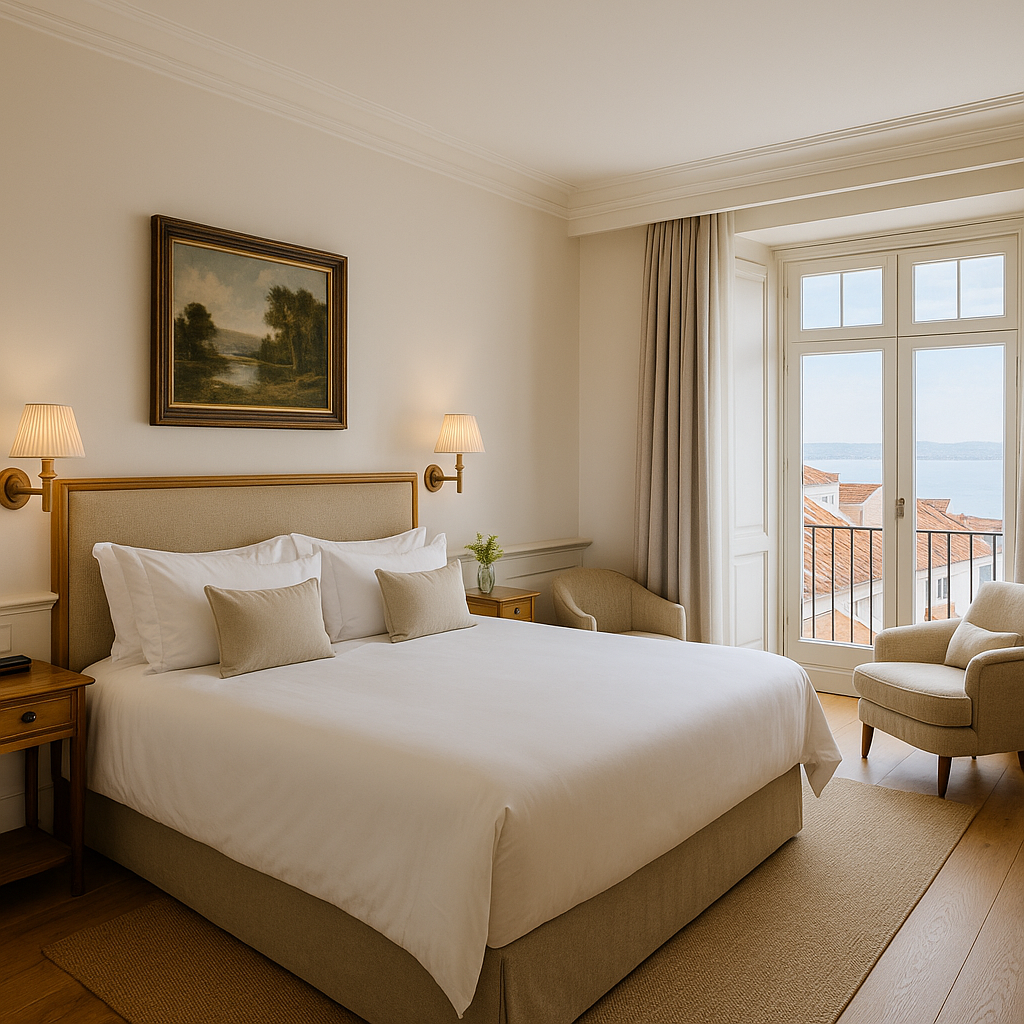
From your base at Convento do Salvador in Lisbon's historic Alfama, a world of distinctive Portuguese wine experiences awaits just a short journey away. While Lisbon itself isn't a wine-producing hub, its central location provides easy access to several unique wine regions perfect for a day trip. This guide outlines practical options for exploring the vineyards of Bucelas, Colares, and the Setúbal Peninsula, each offering a distinct taste of Portugal's vinicultural heritage.
Bucelas — Lisbon's Historic White Wine Region
Just a short drive north of Lisbon lies Bucelas, a historic Demarcated Region renowned for its crisp white wines, primarily made from the Arinto grape. This charming area, often referred to as 'Lisbon's backyard vineyard', offers a more intimate and less commercialised wine tasting experience. Vineyards here boast a long tradition, with some dating back centuries, and the region's unique microclimate contributes to wines known for their refreshing acidity and citrus notes. A typical visit includes a tour of a local quinta (wine estate), where you can learn about the winemaking process, explore the vineyards, and enjoy guided tastings. Many estates offer a glimpse into their cellars and historical production methods. The journey from Convento do Salvador to Bucelas is approximately 30-45 minutes by private driver, covering about 25-30 kilometres. This makes Bucelas an ideal choice for a half-day or relaxed full-day excursion. The most comfortable way to reach these estates is with a private driver — we recommend our local partner Portugal Magik, who can arrange a seamless door-to-door service, allowing you to fully enjoy the tastings without concern.Colares — A Taste of Resilience
Venturing west from Lisbon, towards the dramatic coastline near Sintra, you'll discover the unique wine region of Colares. This area is celebrated for its incredibly rare wines, crafted from pre-phylloxera vines that were saved by being planted directly into the sandy coastal soils, which the phylloxera louse could not penetrate. The primary red grape, Ramisco, produces robust, tannic wines with a distinct maritime influence, while the Malvasia de Colares offers aromatic, saline white wines. Visiting Colares is more than just a wine tasting; it's an encounter with viticultural history and resilience. Many vineyards here are small and family-owned, often requiring prior appointment due to their limited production and traditional methods. You'll often find tours focusing on the unique 'chão de areia' (sandy ground) cultivation, followed by a tasting in ancient cellars. The drive from Convento do Salvador to Colares takes approximately 45-60 minutes, covering about 35-40 kilometres, depending on traffic and your specific vineyard destination. This region pairs wonderfully with a visit to Sintra's palaces, making for a culturally rich day out with a unique wine twist.Setúbal Peninsula — Moscatel and More
South of Lisbon, beyond the Tagus River, lies the Setúbal Peninsula, a diverse wine region famed for its luscious Moscatel de Setúbal, a fortified wine with rich aromatic notes. Beyond this sweet speciality, the region also produces excellent red and white table wines, particularly under the Palmela DOC, often using Castelão and Fernão Pires grapes. The landscape here is varied, from the Arrábida Natural Park's stunning coastal views to the rolling vineyards further inland. Wine estates on the Setúbal Peninsula typically offer comprehensive visitor programmes, including vineyard walks, cellar tours, and guided tastings that showcase their full range of wines, from dry whites and reds to the iconic Moscatel. Some larger producers feature impressive facilities and a deeper dive into modern winemaking techniques alongside historical insights. The journey from Convento do Salvador to the heart of the Setúbal wine region typically takes 45-75 minutes, covering 50-70 kilometres, depending on your chosen winery and the Tagus bridge traffic. This region offers a compelling blend of wine, nature, and gastronomy, making it an excellent full-day excursion for those seeking variety.For the most authentic and personalised experience, seek out smaller, family-run quintas. They often offer more intimate tours and a deeper connection to the winemaking tradition than larger, more commercial operations.
Costs & Timing
Costs for wine experiences vary widely depending on the winery, the type of tour, and the number of wines tasted. Basic tastings might be budget-friendly, while premium tours with extensive pairings or exclusive access will naturally be more substantial. Always check the official winery websites or contact them directly for current pricing details. For private transfers to these regions, pricing depends on factors such as group size, vehicle type, and the specific route. We advise requesting a tailored quote from a reputable private driver service. In terms of timing, a visit to Bucelas or Colares can comfortably be done as a half-day excursion, allowing 3-4 hours at the winery plus travel. For the Setúbal Peninsula, due to the slightly longer travel distance and the region's diverse offerings, a full-day commitment (5-7 hours at the destination, plus travel) is generally recommended to fully appreciate the experience.Frequently Asked Questions
What is the best time of year for a wine tour near Lisbon?
The spring (April-May) and autumn (September-October) offer ideal weather for vineyard visits, with comfortable temperatures and beautiful landscapes. Harvest season in late summer/early autumn can be particularly engaging.
Are reservations required for winery tours and tastings?
Yes, it is highly recommended and often mandatory to book your winery tours and tastings in advance, especially for smaller quintas or during peak season, to ensure availability and a personalised experience.
Can I combine a wine experience with other sightseeing?
Absolutely. A visit to Colares pairs well with exploring Sintra's palaces, while the Setúbal Peninsula offers stunning natural beauty in the Arrábida Natural Park. Bucelas is closer and can be a standalone half-day trip.
What types of wines are primarily produced in these regions?
Bucelas is known for crisp white wines, mainly from the Arinto grape. Colares offers unique red (Ramisco) and white (Malvasia de Colares) wines from pre-phylloxera vines. The Setúbal Peninsula is famous for its sweet Moscatel de Setúbal, alongside dry red and white table wines.
How long should I allocate for a typical winery tour and tasting?
Most standard winery tours and tastings last approximately 1 to 2 hours, allowing sufficient time to explore the vineyards, cellars, and savour the wines. This does not include travel time.
Are tours generally offered in English?
Many wineries catering to international visitors offer tours in English, particularly the larger and more established estates. It's always best to confirm language availability when making your reservation.
What should I wear for a vineyard visit?
Wear comfortable clothing and closed-toe shoes suitable for walking in vineyards or potentially cool, damp cellars. Layers are advisable as temperatures can vary.
Can I purchase wine directly from the estates?
Yes, nearly all wineries offer the opportunity to purchase their wines directly from the cellar door. This is an excellent way to acquire unique bottles and support local producers.