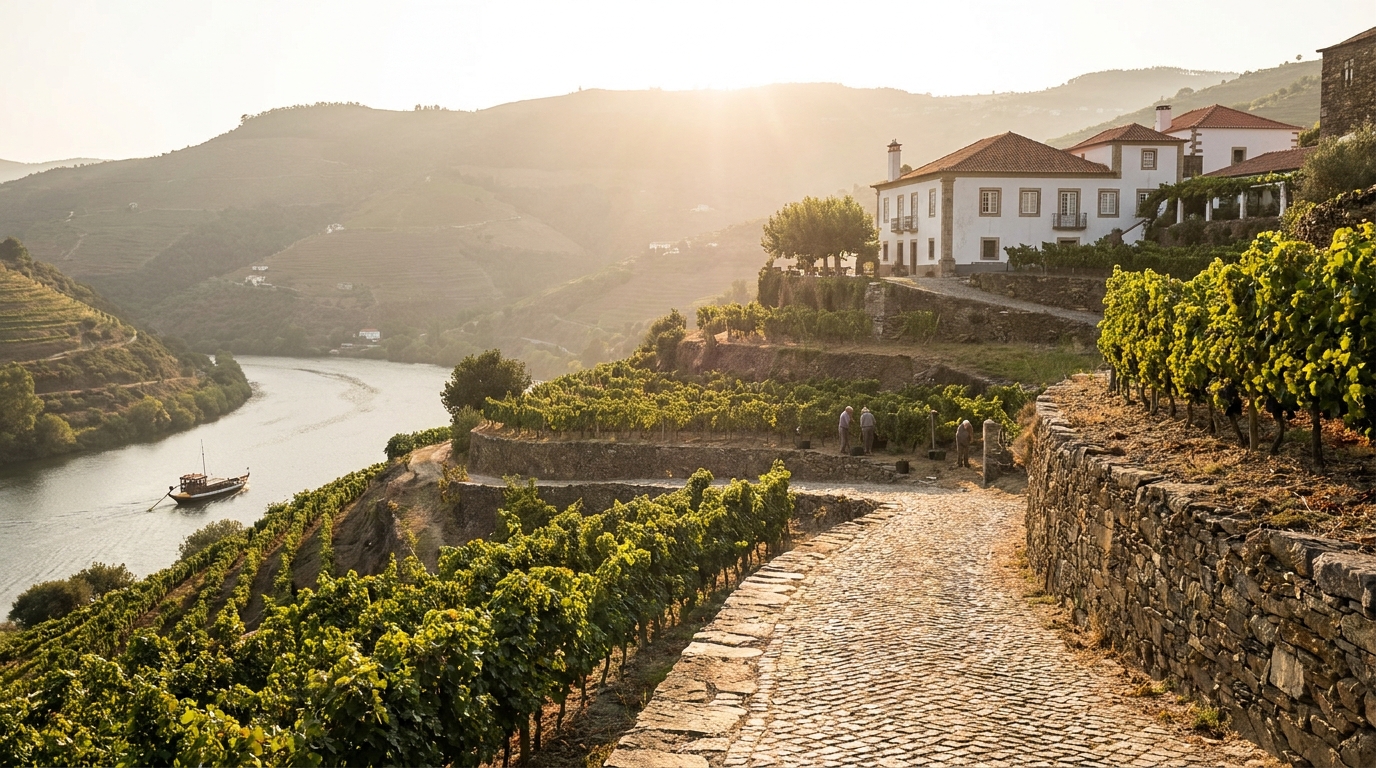
Portugal continues to evolve as a premier European destination, and 2026 brings new developments for travellers. From streamlined digital entry processes to an increased focus on sustainable tourism, understanding these changes will help you plan a seamless and enriching journey. Prepare for an even more connected and environmentally conscious experience in this beautiful Iberian nation.
Navigating Digital Entry and Visas
For non-European Union travellers, 2026 marks the full implementation of the European Travel Information and Authorisation System (ETIAS). This digital pre-travel authorisation is a mandatory requirement for visa-exempt visitors entering the Schengen Area, including Portugal. While not a visa, ETIAS enhances security and simplifies border checks, requiring travellers to complete an online application before departure. Ensure your passport is valid for at least three months beyond your intended stay. Furthermore, Portugal continues to refine its digital nomad visa programme, offering clearer pathways for remote workers wishing to experience long-term stays. These initiatives streamline access while maintaining security, making your arrival in Portugal more efficient.Sustainable Tourism and Regional Discoveries
Portugal's commitment to sustainable tourism is deepening in 2026, with a noticeable shift towards eco-conscious practices across the industry. Travellers will find more opportunities to engage with responsible tourism initiatives, from certified green accommodations to protected natural parks with enhanced visitor guidelines. Regions such as the Alentejo and the Centro de Portugal are actively promoting "slow travel" experiences, encouraging visitors to delve deeper into local culture and natural beauty beyond the well-trodden paths of Lisbon and Porto. Expect increased emphasis on supporting local artisans, sampling regional produce, and respecting the country's diverse ecosystems. Exploring these less-frequented areas with a private driver offers unparalleled flexibility and insight into authentic Portuguese life – we recommend our local partner Portugal Magik.Enhanced Connectivity and Seamless Services
Portugal in 2026 offers an even more connected experience, with widespread 5G network expansion improving mobile data speeds across both urban and rural areas. This means smoother navigation, easier communication, and quicker access to online services throughout your trip. Digital payment solutions continue to proliferate, with contactless options readily available in most establishments, reducing the need for cash. New travel apps are emerging, offering real-time information on local attractions, dining options, and public services, often with multi-language support. These technological advancements aim to provide a more convenient and hassle-free visit, allowing you to focus on enjoying Portugal's charm and hospitality.Always carry a physical copy of your important documents (passport, ETIAS confirmation, insurance details) in addition to digital versions. It provides an essential backup in unforeseen circumstances.
Understanding Costs and Timing for Your 2026 Trip
While Portugal remains a relatively budget-friendly European destination, general travel costs are subject to global economic trends. Accommodation rates vary significantly based on location, seasonality, and property type, ranging from charming guesthouses to premium resorts. Dining out can be surprisingly affordable in local tascas, while fine dining experiences naturally command higher prices. For private transfers and bespoke tours, pricing depends on group size, vehicle type, and the specific route or duration; always request a tailored quote. Timing your visit is crucial: the shoulder seasons (spring and autumn) offer pleasant weather and fewer crowds compared to the bustling summer months, potentially offering better value for certain services. Always check official sources for current entry fees to attractions.Frequently Asked Questions
What are the new entry requirements for Portugal in 2026?
For visa-exempt non-EU travellers, the European Travel Information and Authorisation System (ETIAS) will be fully operational. You'll need to apply online for this pre-travel authorisation before your trip. Ensure your passport is valid for at least six months beyond your intended departure date. These digital measures aim to streamline entry and enhance security across the Schengen Area.
How has sustainable tourism impacted travel in Portugal?
Portugal's focus on sustainability means more eco-friendly accommodation options, protected natural areas with clearer visitor guidelines, and initiatives encouraging responsible travel. You'll find a greater emphasis on supporting local communities, enjoying regional produce, and experiencing less-crowded destinations. This shift enriches the travel experience by promoting a deeper connection with the country's culture and environment.
Are there new ways to pay or stay connected in Portugal?
Yes, 2026 sees continued expansion of 5G networks, offering faster internet speeds across more areas. Digital payment methods are now almost universally accepted, reducing the reliance on cash. Furthermore, new travel applications are continually being developed to provide real-time information and services, making it easier to navigate, find attractions, and communicate during your stay.
What's the best way to travel between cities in Portugal?
For comfort and convenience, travelling between cities in Portugal is best done with a private driver. This allows for flexible itineraries, door-to-door service, and the opportunity to stop at scenic points along the way. For instance, a journey from Lisbon to Porto typically takes around three hours, covering approximately 310 kilometres. Similarly, reaching the Algarve from Lisbon takes about two and a half to three hours.
Is Portugal more expensive for travellers in 2026?
While Portugal generally remains a good value European destination, overall travel costs are subject to economic fluctuations. Accommodation and dining prices vary widely depending on the season, location, and type of establishment. Booking services like private transfers or unique tours will have costs dependent on the specifics of your request. Planning during the shoulder seasons (spring or autumn) can often provide better value.
Are there any new cultural attractions or events planned for 2026?
Portugal is always vibrant with cultural happenings. While specific major new attractions for 2026 are often announced closer to the time, there's a continuous evolution of exhibitions, festivals, and heritage routes. Keep an eye on official tourism websites for updates on local festivals, museum programmes, and regional events, particularly if you plan to explore beyond the main urban centres.
What's the best time to visit Portugal in 2026?
The shoulder seasons, typically April to June and September to October, are often considered ideal. During these months, the weather is pleasantly warm, crowds are generally smaller than in summer, and prices for some services can be more favourable. Summer (July-August) is popular for coastal regions but can be very hot and busy, while winter offers a quieter experience, especially in the cities.
Do I need travel insurance for Portugal in 2026?
Yes, comprehensive travel insurance is highly recommended for any trip to Portugal. It provides essential coverage for unexpected events such as medical emergencies, trip cancellations or interruptions, lost luggage, and other unforeseen circumstances. While European citizens have access to emergency healthcare with an EHIC or GHIC, private insurance offers broader protection.