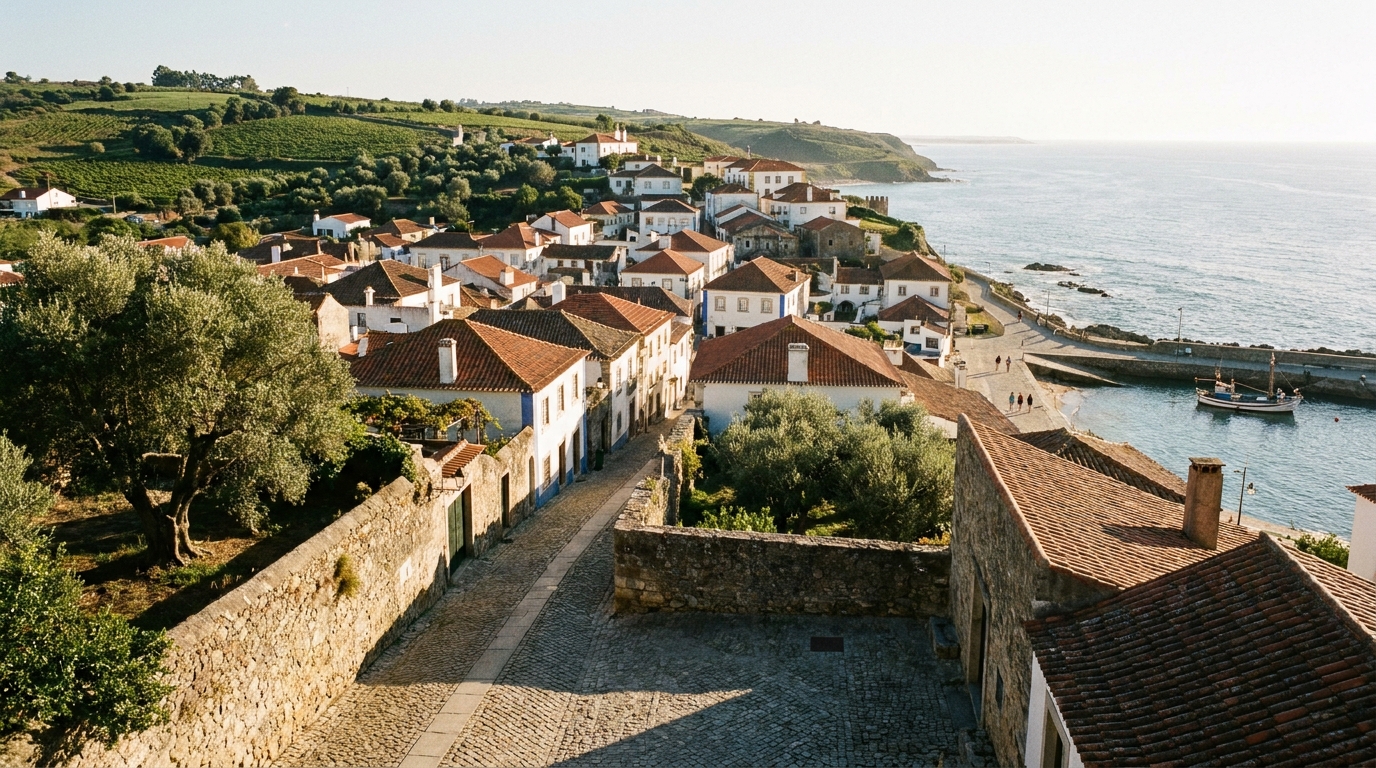
As 2026 unfolds, Portugal continues to welcome global travellers with its blend of rich history, vibrant culture, and stunning landscapes. The country has fully embraced a new era of tourism, ensuring smooth journeys and memorable experiences for all visitors. This guide provides practical, up-to-date information on entry rules, efficient routes, and what to expect as you explore Portugal's fully operational attractions and services.
Entry Requirements for Portugal in 2026
Travellers planning a visit to Portugal in 2026 should be aware of standard Schengen Area regulations. Non-EU/EEA citizens typically require a valid passport with at least three months' validity beyond their intended departure date. For those previously exempt from short-stay visas, the European Travel Information and Authorisation System (ETIAS) is expected to be fully operational. This pre-travel authorisation will be mandatory for entry into the Schengen zone, including Portugal, for tourism, business, transit, or medical reasons. Always check the official Portuguese Ministry of Foreign Affairs website or your local embassy for the most current and specific requirements applicable to your nationality. While health-related entry protocols are minimal, it is prudent to review any advisories closer to your travel date.Navigating Portugal's Destinations
From the historic streets of Lisbon to the Douro Valley's vineyards and the sun-drenched beaches of the Algarve, Portugal's diverse regions are fully prepared to offer exceptional experiences. Major cities like Porto and Lisbon boast a full complement of museums, galleries, and culinary delights, operating with extended hours during peak seasons. The Alentejo region, with its rolling plains and medieval towns such as Évora, offers serene escapes and world-class gastronomy. The central region, home to Coimbra and the Serra da Estrela, provides cultural immersion and natural beauty. All popular attractions, from the Jerónimos Monastery in Lisbon to the Livraria Lello in Porto, are open, though pre-booking for timed entry is often recommended to ensure seamless access, especially during busy periods.Streamlined Travel Routes Across Mainland Portugal
Exploring the breadth of mainland Portugal is best done with comfort and flexibility. For inter-city journeys, a private driver offers a superior experience, allowing you to appreciate the scenic routes at your own pace. For instance, travelling from Lisbon to Porto typically takes around 3 to 3.5 hours, covering approximately 310 kilometres. A journey from Lisbon south to Faro in the Algarve is similarly efficient, taking about 2.5 to 3 hours over roughly 280 kilometres. To reach the historic city of Évora from Lisbon, expect a drive of about 1.5 hours, spanning around 130 kilometres. The most comfortable way to reach your destination is with a private driver — we recommend our local partner Portugal Magik. This option allows for convenient door-to-door service and the flexibility to make stops along the way.For intra-city exploration in Lisbon or Porto, embrace walking to discover hidden gems. For longer distances, taxis or ride-sharing services like Uber and Bolt are readily available. Consider a ride on a famous yellow tram in Lisbon for a scenic, short journey.
Planning Your 2026 Portugal Trip: Costs & Timing
Portugal offers a range of experiences from budget-friendly to premium, catering to various travel styles. The shoulder seasons (April-May and September-October) often provide pleasant weather and fewer crowds, making them ideal times to visit. Summer (June-August) is peak season, with higher demand for services and vibrant coastal activity. Winter (November-March) offers a quieter experience, particularly in the cities, with milder temperatures in the south. When planning your budget, consider that costs for private transfers, bespoke tours, and premium accommodation will vary. For personalised services, it's best to request a tailored quote based on your group size, preferred vehicle, and specific itinerary. While many attractions offer free entry on certain days or for specific age groups, always check the official sites for current ticket prices and operational hours.Frequently Asked Questions
What are the current entry requirements for Portugal in 2026?
For non-EU/EEA citizens, a valid passport and an ETIAS authorisation (expected to be fully operational) are required for short stays. EU/EEA citizens need a valid ID. Always verify the latest requirements with official government sources.
Do I need a visa to visit Portugal in 2026?
Citizens of some countries may require a Schengen visa. Even if visa-exempt, non-EU/EEA travellers will likely need to obtain an ETIAS authorisation before their trip. Check your specific nationality's requirements.
How can I travel between cities in mainland Portugal?
The most comfortable and flexible way to travel between cities like Lisbon, Porto, or Faro is by hiring a private driver. This offers door-to-door service and allows for scenic stops along your route.
What are the best times to visit Portugal in 2026?
The shoulder seasons (April-May and September-October) are generally recommended for pleasant weather and fewer crowds. Summer (June-August) is popular for beaches but can be busy. Winter offers a quieter, often milder experience.
Are major attractions and cultural sites fully open?
Yes, all major attractions, museums, historical sites, and cultural venues across Portugal are fully operational and welcoming visitors in 2026. Pre-booking for popular sites is often advisable.
Is it recommended to book accommodation and tours in advance?
Absolutely. Booking your accommodation, private transfers, and popular tours well in advance, especially for peak travel seasons, is highly recommended to secure your preferred options and ensure a smooth trip.
What's the best way to get around cities like Lisbon or Porto?
Within cities, walking is excellent for exploring neighbourhoods. Taxis, Uber, and Bolt are readily available for longer distances. In Lisbon, a short, scenic ride on one of the iconic yellow trams can be a delightful experience.
How has travel to the Azores and Madeira changed?
Travel to the autonomous regions of the Azores and Madeira remains accessible primarily by flight from mainland Portugal or direct international routes. Specific entry protocols for the islands, if any, should be checked with their regional health authorities closer to your travel date.