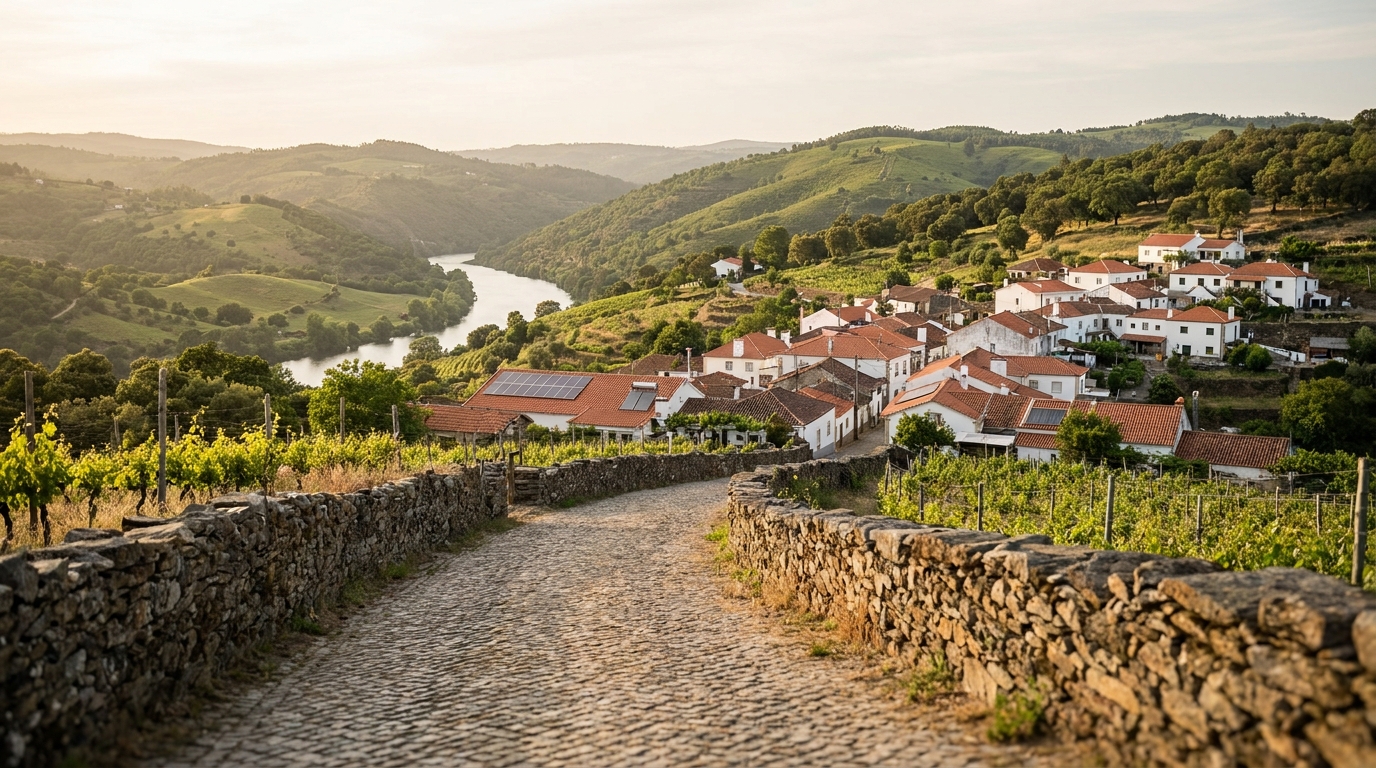
Portugal continues its dedicated journey towards a greener future, with 2026 marking significant advancements in sustainable tourism. Travellers now have more opportunities than ever to explore this beautiful country responsibly, supporting local communities and preserving its natural and cultural heritage. This guide outlines the key changes and practical ways to make your Portuguese adventure eco-conscious and deeply rewarding.
Portugal's Evolving Green Landscape
Portugal's commitment to sustainability has deepened, moving beyond rhetoric to tangible action across various sectors. The focus in 2026 is on strengthening circular economy principles, enhancing biodiversity protection, and further integrating renewable energy sources. This means more businesses, from hotels to tour operators, are adopting certified eco-practices, making it easier for visitors to make responsible choices. Regions like the Alentejo continue to expand their 'Dark Sky' initiatives, promoting astrotourism with minimal light pollution, while the Costa Vicentina and Southwest Alentejo Natural Park are seeing increased efforts in coastal preservation and responsible tourism management. Expect to find more opportunities to engage with local conservation projects and support businesses directly contributing to these environmental goals.Eco-Conscious Accommodation & Dining
Finding sustainable accommodation in Portugal is increasingly straightforward in 2026. Look for hotels, guesthouses, and rural tourism properties with eco-certifications, indicating their commitment to water conservation, waste reduction, and renewable energy use. Many smaller, family-run establishments, particularly in the interior regions, inherently operate with a lower environmental impact and offer a more authentic experience. When it comes to dining, the farm-to-table movement is thriving. Restaurants are increasingly sourcing ingredients locally and seasonally, often highlighting regional specialities with a strong emphasis on fresh, unprocessed produce. Supporting these establishments not only provides a delicious culinary experience but also reduces food miles and directly benefits local farmers and fishermen. Many eateries also offer excellent vegetarian and vegan options, reflecting a growing awareness of diverse dietary preferences and their environmental impact.Exploring Responsibly: Destinations & Activities
To truly embrace sustainable travel in Portugal, consider venturing beyond the well-trodden paths. While Lisbon and Porto are enchanting, exploring regions like the Central Portugal mountains, the less-visited corners of the Alentejo, or the quiet beaches of the Silver Coast can offer profound experiences with less impact. Activities like guided nature walks in national parks such as Peneda-Gerês, birdwatching in the Algarve's Ria Formosa, or cycling tours through the vineyards of the Douro Valley, all contribute to sustainable tourism by engaging with local expertise and respecting natural environments. For bespoke journeys across Portugal, such as from Lisbon to the Douro Valley or exploring the Algarve coast, a private driver offers unparalleled flexibility and comfort. Pricing depends on group size, vehicle and route; request a tailored quote for your itinerary. Within cities like Lisbon or Porto, embrace walking to discover charming neighbourhoods, or use taxis, Uber, or Bolt for longer distances. A ride on Lisbon's iconic yellow tram can also be a delightful, scenic experience.Consider travelling during the shoulder seasons (spring or autumn) to reduce your footprint and enjoy a more authentic experience with fewer crowds. The weather is often pleasant, and you'll find more opportunities for meaningful local engagement.
Costs & Timing for Sustainable Journeys
Sustainable travel in Portugal doesn't necessarily mean a premium price tag. Many locally run guesthouses and farm stays offer budget-friendly options, while eco-certified hotels might range from mid-range to premium, reflecting their investment in sustainable practices. Dining at local tascas or markets often provides delicious, authentic, and affordable meals. For inter-city travel, choosing a private driver offers a personalised experience and allows you to explore at your own pace. For instance, a comfortable journey from Lisbon to Porto typically takes around 3 hours 30 minutes to 4 hours, allowing for scenic stops. Reaching Évora from Lisbon is roughly 1 hour 30 minutes to 2 hours, while the drive to Faro in the Algarve is approximately 2 hours 30 minutes to 3 hours. From Porto, reaching the heart of the Douro Valley (e.g., Peso da Régua) takes about 1 hour 30 minutes. The most comfortable way to reach destinations across the country is with a private driver — we recommend our local partner Portugal Magik. For any private transfer or bespoke tour, request a tailored quote, as pricing varies based on group size, vehicle type, and the specific route.Frequently Asked Questions
What does 'sustainable travel' mean in Portugal for 2026?
In 2026, sustainable travel in Portugal means making conscious choices that minimise your environmental impact, support local economies, and respect cultural heritage. This includes choosing eco-friendly accommodation, supporting local businesses, conserving resources, and engaging in responsible activities that benefit both the environment and communities.
Are there specific regions prioritising sustainability in Portugal?
Yes, several regions are at the forefront. The Alentejo is known for its 'Dark Sky' initiatives and rural tourism, while the Costa Vicentina and Southwest Alentejo Natural Park focus on coastal preservation. The Azores and Madeira also have strong commitments to preserving their unique natural landscapes. Many inland regions are promoting agro-tourism and nature-based activities.
How can I find eco-friendly accommodation in Portugal?
Look for accommodation providers that highlight their eco-certifications or explicitly state their sustainability practices, such as solar power, water recycling, waste reduction programmes, or sourcing local produce. Many rural tourism properties and smaller guesthouses inherently operate with a lower impact.
What about sustainable dining options in Portugal?
Seek out restaurants that emphasise seasonal, locally sourced ingredients, often described as 'farm-to-table' or ' किलोमीटर zero'. Visiting local markets for fresh produce and trying traditional tascas (taverns) also supports local food systems and reduces food miles. Many places now offer excellent vegetarian and vegan choices.
How can I reduce my environmental impact while exploring cities like Lisbon or Porto?
Within cities, prioritise walking to explore neighbourhoods. For longer distances, taxis, Uber, or Bolt are readily available. Consider a scenic ride on Lisbon's iconic yellow tram for a unique experience. Always carry a reusable water bottle and shopping bag to minimise waste.
Is it possible to visit popular sites like Sintra or the Algarve sustainably?
Yes, it is. To visit popular sites sustainably, consider travelling during the shoulder seasons (spring or autumn) to reduce crowds. Support local guides and businesses in these areas, and always respect the natural and historical environment. For instance, when visiting Sintra, focus on the lesser-known gardens or trails in addition to the palaces.
What kind of activities support local communities in Portugal?
Activities that directly support local communities include engaging with local guides for walking tours, purchasing handicrafts directly from artisans, staying in family-run guesthouses, and dining at traditional, non-chain restaurants. Participating in cultural workshops or visiting local markets also contributes directly to the local economy.
How has Portugal's sustainability focus changed since 2024?
Since 2024, Portugal has intensified its focus on quantifiable sustainability targets, particularly in renewable energy adoption, waste management, and the protection of marine and terrestrial biodiversity. There's a greater emphasis on certifying businesses, promoting lesser-known regions to distribute tourism, and integrating circular economy principles into the tourism sector, making sustainable choices more visible and accessible for travellers.