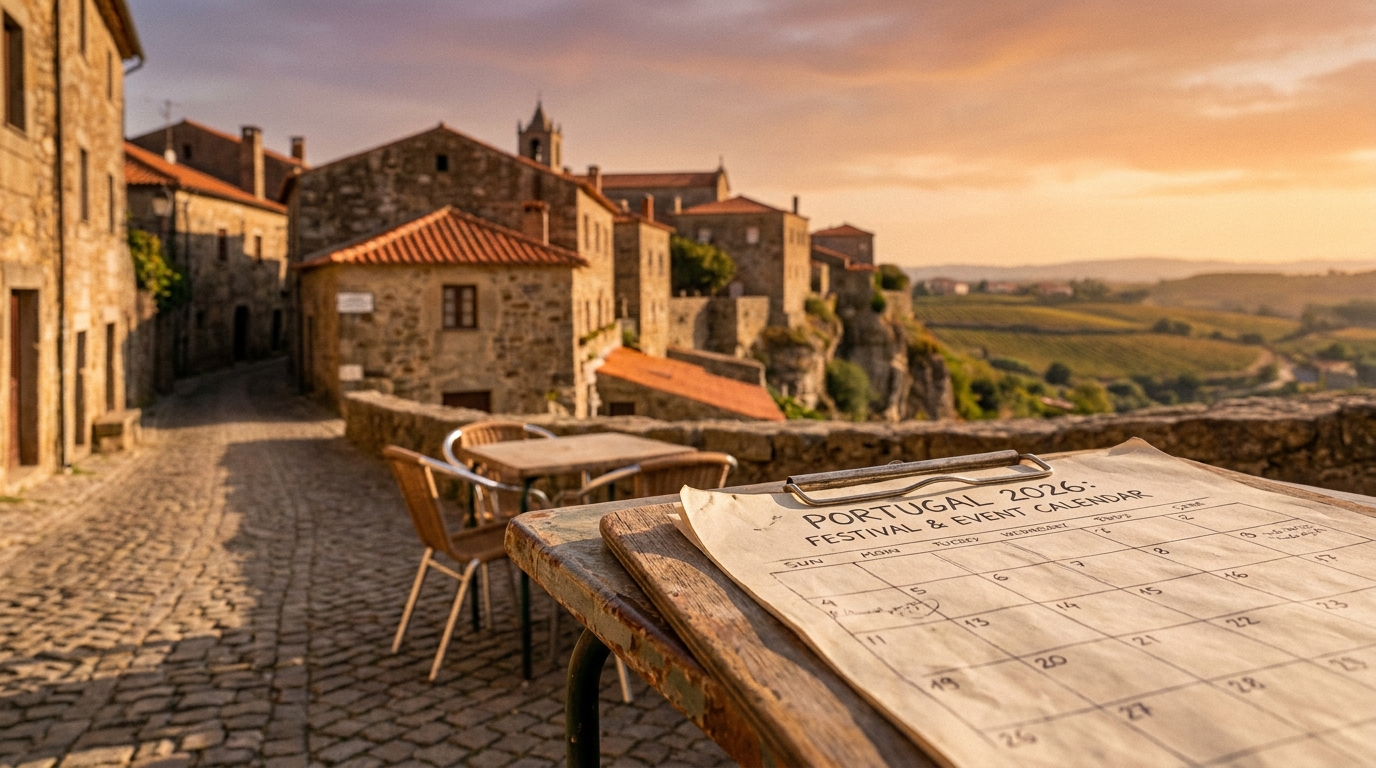
Portugal in 2026 promises a year brimming with vibrant festivals and cultural events, offering a deep dive into the nation's rich traditions and contemporary spirit. From ancient religious processions to world-class music spectacles and lively gastronomic fairs, there's always something captivating to experience. This guide will help you navigate the calendar and plan your visit to these unforgettable celebrations.
Major Religious & Traditional Festivities
Portugal's calendar is punctuated by deeply rooted religious and traditional festivals, many of which are centuries old. Early in the year, Carnaval brings a riot of colour and celebration, particularly in Loulé, Torres Vedras, and Ovar, typically occurring in February or March. Semana Santa (Easter Week), usually in March or April, features solemn processions, most notably in Braga and Óbidos. May sees the significant Fátima Pilgrimage on the 13th, drawing thousands to the Sanctuary. June is dominated by the Festas dos Santos Populares (Popular Saints' Festivals), with Lisbon's Santo António celebrations (around June 12-13th) and Porto's São João (June 23-24th) being the most famous, filling streets with music, dancing, and grilled sardines. The second Fátima Pilgrimage occurs on October 13th. These events offer an authentic glimpse into Portuguese culture and community spirit. The most comfortable way to reach these festival locations from your accommodation is with a private driver — we recommend our local partner Portugal Magik.Music, Arts & Cultural Events
Beyond tradition, Portugal hosts an impressive array of contemporary music, arts, and cultural events throughout 2026. Summer is the peak season for major music festivals, with NOS Alive in Lisbon (typically early July) and MEO Sudoeste on the Alentejo coast (usually early August) attracting international acts and crowds. EDP Cool Jazz in Cascais (July) offers a more sophisticated musical experience. For film enthusiasts, Fantasporto in Porto (February/March) and IndieLisboa (April/May) showcase independent and genre cinema. Literary festivals and art exhibitions are frequently held in Lisbon and Porto, especially during spring and autumn. While specific 2026 dates for all events are confirmed closer to the time, these festivals generally follow a consistent annual pattern. Many cities also host free outdoor concerts and cultural performances during warmer months, providing accessible entertainment for all.Gastronomy, Wine & Regional Fairs
Portugal’s rich culinary landscape is celebrated through numerous gastronomic and wine festivals in 2026. The autumn months, particularly September and October, are ideal for experiencing harvest festivals in the Douro Valley and Alentejo, where you can witness winemaking traditions and sample regional produce. Coastal towns, especially in the Algarve, often host seafood festivals throughout the warmer months, offering fresh catches and local delicacies. The Feira Nacional do Cavalo (National Horse Fair) in Golegã, typically in November, is a unique event combining equestrian tradition with regional food and wine. Smaller local markets and fairs focusing on specific products like cheese, olive oil, or chestnuts can be found across the country, particularly in rural areas. These events are fantastic opportunities to taste authentic Portuguese flavours and engage with local producers. Travelling between these regions is best managed with a private driver, allowing you to explore at your own pace.Always check the official websites of individual festivals and events for the most up-to-date information regarding dates, programmes, and any access requirements for 2026. Popular festivals often have tickets that sell out quickly.
Costs & Timing for 2026 Events
The cost of attending festivals in Portugal varies significantly. Many traditional street festivals, such as the Festas dos Santos Populares, are largely free to attend, with costs mainly for food, drinks, and souvenirs purchased from vendors. Major music festivals, however, require ticket purchases, which can range from budget-friendly day passes to premium multi-day access. For these, it's advisable to check the official festival websites for current ticket prices and release dates. Accommodation prices tend to be higher during festival periods, especially in the immediate vicinity of the event. Dining costs can range from inexpensive street food to mid-range restaurant meals. Private transfers will offer a tailored quote based on your group size, vehicle choice, and specific route. Timing your visit depends on your interests; summer is ideal for music and beach festivals, while spring and autumn offer pleasant weather for cultural and gastronomic events. Many festivals span a few days, allowing for immersive experiences.Frequently Asked Questions
When is the best time to experience festivals in Portugal?
The summer months (June-August) are vibrant with music and traditional street festivals. Spring and autumn offer a more moderate climate, ideal for cultural events, gastronomic fairs, and wine harvest celebrations.
How should I plan my transport between festival locations?
For comfortable and efficient inter-city travel to various festival sites, a private driver is the recommended option. This allows for flexibility and door-to-door service.
Are festival tickets expensive?
Many traditional street festivals are free to attend, with costs only for purchases. Major music or specific cultural events are ticketed; check official websites for current pricing and availability.
What type of accommodation should I book for festivals?
It's best to book accommodation well in advance, especially for popular festivals. Options range from hotels and guesthouses to private rentals. Consider locations slightly outside the immediate festival hub for potentially better value.
What should I pack for a Portuguese festival?
Pack comfortable walking shoes, layers of clothing for varying temperatures, sun protection, and a portable power bank for your phone. A small bag for essentials is also useful.
Can I enjoy festivals with a family?
Absolutely. Many traditional festivals are family-friendly, offering activities and sights for all ages. Music festivals may have age restrictions or designated family areas; always check specific event details.
How do I find out specific 2026 dates for smaller regional festivals?
Local tourism boards and municipal websites are excellent resources for specific dates of smaller, regional festivals. Information is often updated closer to the event period.
Is food readily available at festivals?
Yes, Portuguese festivals are renowned for their food offerings. You'll find numerous stalls selling local delicacies, grilled foods, and traditional sweets. Be prepared to indulge in delicious regional cuisine.