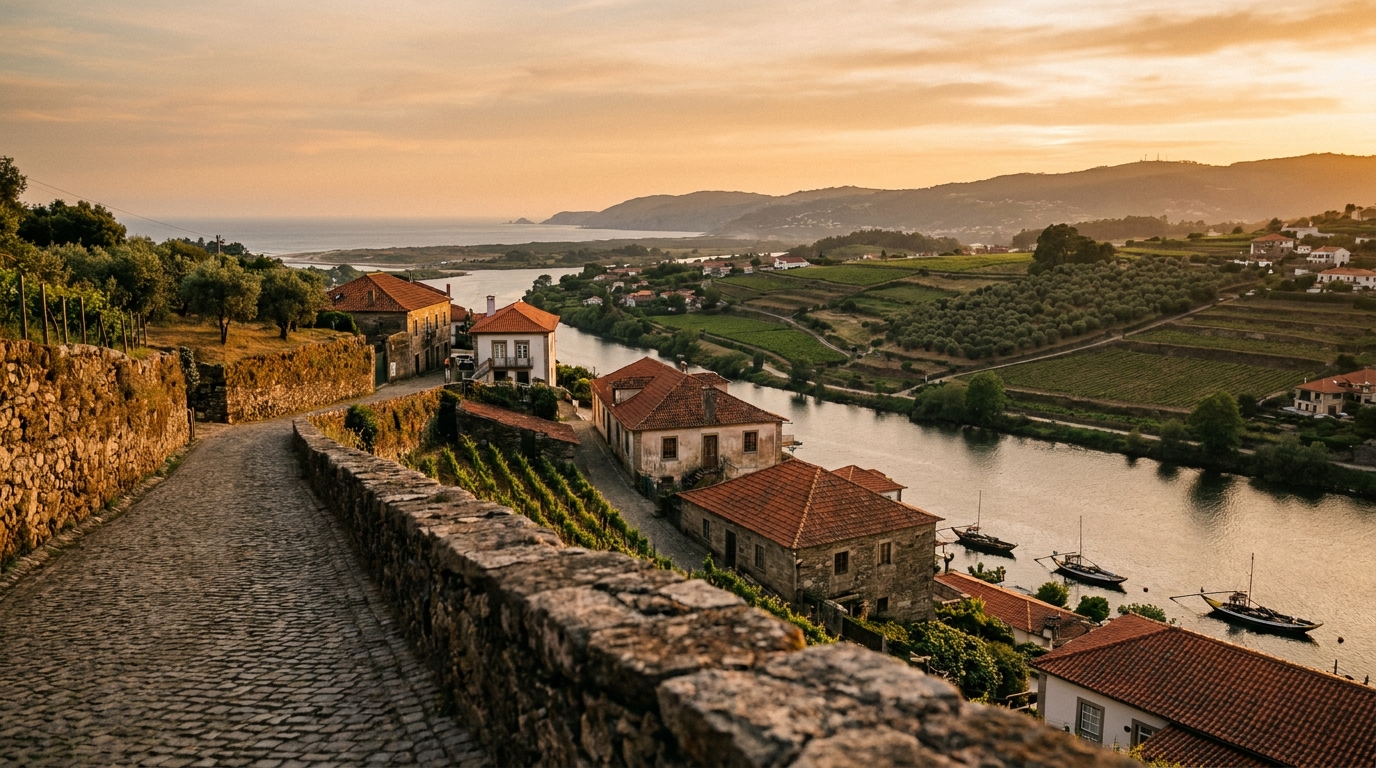
Deciding when to visit Portugal in 2026 hinges on your preferred activities and the regions you wish to explore. With its diverse landscapes and climates, Portugal offers distinct experiences throughout the year. This guide helps you pinpoint the best months for each major region, ensuring a memorable and comfortable journey.
Lisbon, Central Portugal & Alentejo: Capital Charm and Historic Plains
For Lisbon and its surrounding Central Portugal gems like Sintra, Cascais, and Óbidos, the shoulder seasons of **April-May** and **September-October** are generally ideal. Temperatures are pleasantly mild, perfect for city exploration and outdoor activities, with fewer crowds than the peak summer months. Spring brings blooming jacarandas to Lisbon, while early autumn offers a lingering warmth. Summer (June-August) is vibrant but hot and crowded, particularly in Lisbon, making early mornings or late evenings best for sightseeing. The Alentejo region, known for its vast plains, historical towns like Évora, and excellent wines, shares similar shoulder season appeal. However, Alentejo summers are notably hotter, often exceeding 35°C, so if exploring this region, spring or autumn is highly recommended. Winter (November-March) in Lisbon and Central Portugal is mild with more rainfall, offering a budget-friendly option for cultural visits without the throngs of tourists.Porto & Northern Portugal: Douro Valley and Green Landscapes
The North of Portugal, including the vibrant city of Porto, the historical sites of Guimarães and Braga, and the stunning Douro Valley, truly shines in **May-June** and **September-October**. Spring in the North is lush and green, with vineyards beginning to flourish, creating picturesque scenery in the Douro. Early autumn coincides with the grape harvest in the Douro Valley, offering a unique opportunity to witness the winemaking process and enjoy the changing colours of the terraced hillsides. Temperatures during these months are comfortable for walking tours in Porto or boat trips along the Douro River. Summer (July-August) can be warm and humid, particularly in Porto, but remains popular, especially for those seeking longer daylight hours. Winter in the North is typically cooler and wetter than the South, though still offers a charming, atmospheric experience for city breaks focused on museums and gastronomy.The Algarve & Southern Coast: Sun-Kissed Beaches and Coastal Beauty
The Algarve, Portugal's renowned southern coast, is famous for its golden beaches, dramatic cliffs, and year-round sunshine. For the best beach weather without the peak summer crowds, aim for **late May-June** or **September-October**. During these periods, the sea is warm enough for swimming, the sun is plentiful, and the resorts are lively but not overwhelmingly busy. These months are also excellent for coastal walks, water sports, and exploring charming towns like Lagos and Tavira. Summer (July-August) is peak season, with scorching temperatures and crowded beaches, attracting families and sun-seekers. If you prefer a quieter experience, or wish to focus on golf and hiking, the winter months (November-March) offer mild, sunny days, though the sea will be too cool for most to swim in. Many coastal towns remain open year-round, offering a relaxed pace.Consider the shoulder seasons (April-May, September-October) for a balanced experience. You'll often find pleasant weather, fewer crowds, and a more authentic local atmosphere across most regions.
Costs & Timing Considerations
The timing of your visit significantly impacts the overall cost of your trip to Portugal. Peak season, typically from June to August, sees higher demand for accommodation and private tours, pushing prices into the premium range. If you are travelling during this period, booking well in advance is crucial to secure your preferred options. The shoulder seasons (spring and early autumn) generally offer mid-range pricing with excellent value, combining good weather with manageable crowd levels. Winter, outside of the festive period around Christmas and New Year, tends to be the most budget-friendly time for travel, particularly for accommodation and some experiences. For private transfers and bespoke tours, pricing depends on group size, vehicle, and route, so it is always best to request a tailored quote. The most comfortable way to reach various destinations across Portugal is with a private driver — we recommend our local partner Portugal Magik.Frequently Asked Questions
What's the best month for a beach holiday in Portugal?
For optimal beach weather with pleasant temperatures and warm sea, aim for late May, June, September, or early October. July and August are also excellent for beaches but can be very crowded and hot.
When is the ideal time to visit Lisbon for sightseeing?
The ideal times for sightseeing in Lisbon are April, May, September, and October. The weather is comfortably mild, perfect for walking and exploring, and the city is less crowded than during the peak summer months.
Which months are best for exploring the Douro Valley wine region?
May, June, September, and October are the best months for the Douro Valley. May and June offer lush, green landscapes, while September and October coincide with the grape harvest, providing a unique cultural experience amidst beautiful autumn colours.
Is Portugal suitable for a winter visit?
Yes, Portugal is suitable for a winter visit, especially for those seeking cultural experiences, city breaks, or golf holidays. The weather is generally mild, particularly in the south, though expect more rainfall in the north. Crowds are significantly smaller.
When are the crowds smallest in Portugal?
The crowds are generally smallest during the winter months, from November to March, excluding the Christmas and New Year period. The shoulder seasons (April, May, September, October) also offer fewer crowds compared to peak summer.
How does the shoulder season compare to peak season?
The shoulder season (April-May, September-October) offers a fantastic balance of pleasant weather and fewer crowds compared to the peak summer months. Accommodation and tour prices are typically more mid-range, providing excellent value.
What's the weather like in Alentejo during summer?
Summers in the Alentejo region, particularly July and August, are typically very hot and dry, with temperatures often exceeding 35°C. For comfortable exploration of its historical towns and vineyards, spring or autumn is highly recommended.
When should I book my trip to Portugal for 2026?
For peak season travel (June-August), it's advisable to book your accommodation and private transfers at least 6-9 months in advance. For shoulder seasons, 3-6 months is usually sufficient, while winter travel allows for more flexibility.