Porto continues its vibrant evolution, and 2026 promises an array of fresh experiences for discerning travellers. While its timeless charm endures, the city is subtly enhancing its offerings, from revitalised cultural spaces to an ever-evolving culinary landscape. This guide provides a practical look at what's new and noteworthy, ensuring your visit is as smooth and enriching as possible.
Revitalised Waterfronts and Cultural Hubs
Vila Nova de Gaia's riverfront continues its transformation, with new pedestrian-friendly zones and improved access to the historic port lodges. By 2026, expect a more seamless experience exploring this side of the Douro, perhaps with new boutique shops and artisan workshops emerging alongside the traditional wine cellars. Across the river, Porto itself is seeing a renewed focus on its less-explored historic quarters. Initiatives are in place to breathe new life into forgotten alleys and squares, potentially revealing new small galleries, independent theatres, or renovated heritage buildings offering unique cultural insights. These developments aim to enrich the visitor experience by spreading interest beyond the immediate Ribeira and Clérigos areas, encouraging deeper exploration into the city's authentic fabric. Look out for updated signage and digital guides that will help navigate these newly accessible and culturally vibrant zones. The emphasis is on sustainable urban development, ensuring these enhancements respect Porto's architectural legacy while offering modern comforts and attractions. The city's commitment to preserving its heritage while embracing modernity is evident. Expect certain municipal buildings or former industrial spaces to be repurposed into contemporary art venues or multi-functional cultural centres, providing platforms for local artists and performers. These new hubs are designed to be integrated into the existing urban tapestry, offering fresh perspectives on Porto's dynamic arts scene.Gastronomy's Next Wave
Porto's culinary scene is perpetually in motion, and 2026 will see a continued emphasis on innovation paired with tradition. Expect to find more establishments championing sustainable, locally sourced ingredients, with a growing number of farm-to-table experiences extending beyond the city centre. The trend towards elevated Portuguese comfort food, reimagined with contemporary techniques, is set to flourish. Additionally, new market concepts, building on the success of existing food halls, are likely to emerge, offering curated selections of regional delicacies, gourmet street food, and artisanal products under one roof. These spaces often provide a vibrant, informal dining atmosphere, perfect for sampling a variety of flavours. Keep an eye out for chefs experimenting with unique flavour combinations, perhaps drawing inspiration from Portugal's diverse regions or its historical connections to other cultures. Vegetarian and vegan options are also becoming more widespread and sophisticated, reflecting a broader shift in dining preferences. While the traditional tascas remain cherished, Porto's gastronomic future is bright with diverse, high-quality, and inventive dining opportunities.Enhanced Visitor Experiences and Accessibility
Porto is committed to making its urban landscape more welcoming and accessible for all travellers. By 2026, expect further enhancements to pedestrian infrastructure, particularly in popular historic zones, making exploration on foot more comfortable. Digital integration is also becoming more prominent, with city-wide apps or interactive kiosks offering real-time information on attractions, events, and navigation. These tools are designed to streamline your visit, providing up-to-date details on opening hours, cultural programmes, and local insights. Efforts are also being made to improve accessibility for visitors with mobility considerations, with more ramps and smoother pathways appearing in key areas. Furthermore, a renewed focus on sustainable tourism practices means that many new initiatives will encourage responsible travel, from waste reduction programmes to promoting eco-friendly local businesses. Look for guided tours that highlight these new developments and offer deeper dives into Porto's evolving narrative. The goal is to provide a seamless, informed, and inclusive experience for everyone wishing to discover the city's charm.Always carry some small change for local purchases or tipping, though card payments are widely accepted.
Navigating Porto & Exploring Beyond
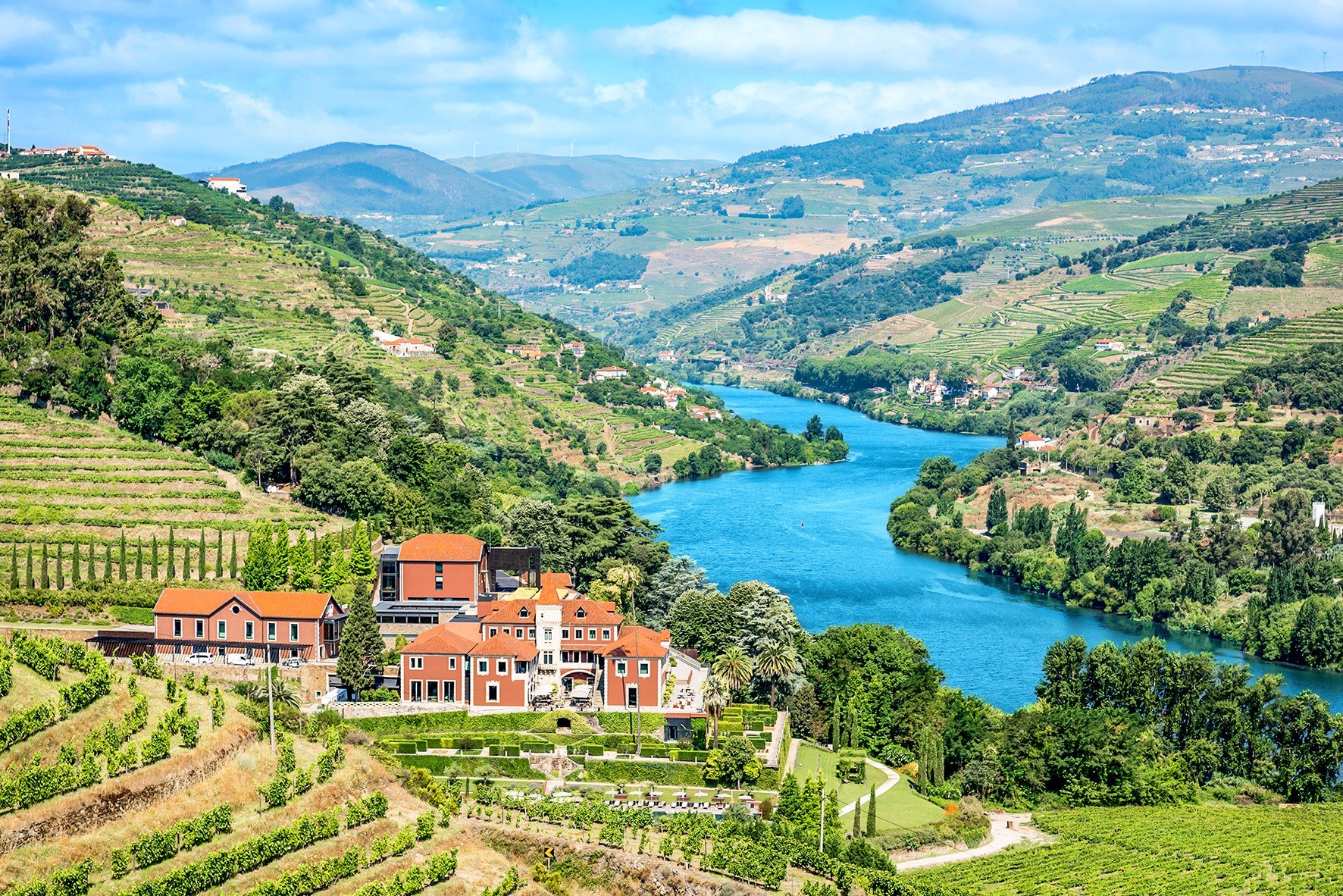
Getting around Porto itself is a delightful experience. The city centre is eminently walkable, though be prepared for some inclines – the reward is often a breathtaking view. For longer distances within the city, taxis and ride-sharing services like Uber and Bolt are readily available and efficient. A ride on a historic yellow tram, such as the iconic Line 1 to Foz do Douro, offers a scenic journey and a taste of traditional Porto. For journeys beyond Porto, perhaps to the Douro Valley or other Northern Portugal gems, the most comfortable and convenient option is undoubtedly a private driver. This allows for a flexible itinerary, door-to-door service, and the opportunity to experience the stunning Portuguese landscape at your own pace. You can request a tailored quote for personalised routes, ensuring a smooth and bespoke travel experience without the stresses of navigation or parking. A private driver also offers the benefit of local insights, making your journey an extension of your exploration of Portugal. The flexibility means you can stop at viewpoints, small villages, or specific wineries that might be inaccessible by other means, truly customising your adventure. For example, a trip to the historic city of Guimarães or the charming coastal town of Aveiro becomes a relaxed day out. The average journey time from Porto to the heart of the Douro Valley is typically around 1.5 to 2 hours by car, depending on the specific destination and traffic conditions, offering ample time to explore and return within a day. Similarly, reaching Braga takes approximately 45 minutes to an hour. Always confirm travel times and routes with your chosen service provider.Frequently Asked Questions
What are the major new attractions in Porto for 2026?
While specific grand openings are always subject to change, 2026 is expected to feature revitalised cultural districts, new market concepts, and enhanced public spaces, particularly along the Vila Nova de Gaia riverfront. Keep an eye on local tourism boards for the latest announcements.
How has Porto improved its accessibility for travellers by 2026?
The city has continued to invest in improving pedestrian infrastructure, creating smoother pathways and more ramps in key tourist areas. Digital tools and apps are also becoming more prevalent, offering better navigation and information for all visitors.
What new culinary trends should I look out for in Porto in 2026?
Expect a growing emphasis on sustainable, farm-to-table dining, alongside innovative takes on traditional Portuguese cuisine. New food markets and gourmet street food options are also likely to expand, offering diverse gastronomic experiences.
Is it easy to get around Porto's city centre in 2026?
Yes, Porto's city centre remains highly walkable, though it features steep hills. Taxis and ride-sharing services like Uber and Bolt are readily available for convenience. A ride on a traditional tram offers a scenic way to see parts of the city.
How should I travel from Porto to nearby regions like the Douro Valley in 2026?
For comfort and flexibility, arranging a private driver is the most recommended option. This allows for a personalised itinerary, direct door-to-door service, and the chance to explore the region at your own pace.
Are there any new sustainable tourism initiatives in Porto for 2026?
Yes, Porto is increasingly focusing on sustainable practices. Visitors will find more eco-friendly accommodations, responsible tour operators, and city-wide efforts to promote waste reduction and support local, environmentally conscious businesses.
What kind of digital tools are available for travellers in Porto in 2026?
Expect improved city-specific apps and interactive kiosks providing real-time information on attractions, events, and navigation. These tools aim to enhance your visit by offering up-to-date details and local insights directly to your device.
When is the best time to visit Porto in 2026 to experience these new developments?
Spring (April-May) and Autumn (September-October) generally offer pleasant weather and fewer crowds, making them ideal for exploring new attractions and dining experiences. Summer (June-August) is vibrant but busier.