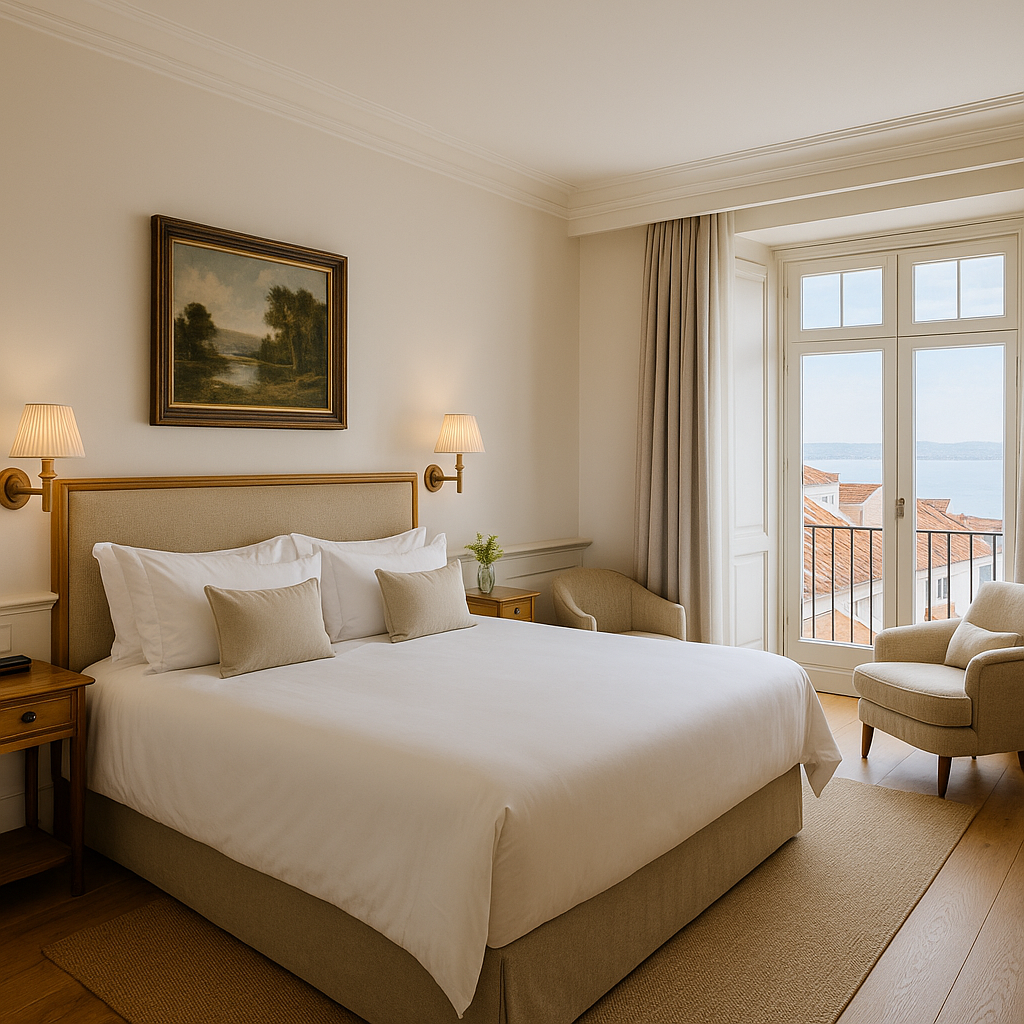
Lisbon continues its dynamic transformation, promising an even richer experience for travellers in 2026. The city is embracing innovation while honouring its deep-rooted history, resulting in a captivating blend of old and new. Expect to find enhanced cultural offerings, pioneering culinary trends, and thoughtfully improved urban spaces designed for enjoyment and ease of exploration.
Cultural Renaissance: The Beato Creative Hub & LX Factory Expansion
Lisbon's cultural landscape is set for exciting developments in 2026, with the full maturation of the Hub Criativo do Beato as a major draw. This former convent and industrial complex along the Tagus riverfront has been meticulously transformed into a dynamic innovation and creative hub. Visitors will find new art galleries, design studios, pop-up exhibitions, and unique event spaces, offering a fresh perspective on contemporary Portuguese creativity. It's becoming a vibrant district for both daytime exploration and evening entertainment, distinct from the historic centre. Further west, the LX Factory, already a popular destination, is anticipated to unveil refined and expanded offerings. Expect to discover a broader array of independent boutiques, artisan workshops, and unique dining concepts, enhancing its reputation as a bohemian and artistic enclave. These developments provide compelling reasons to venture beyond the traditional tourist routes, offering immersive cultural experiences that reflect Lisbon's forward-thinking spirit.Sustainable Gastronomy & Market Revitalisation
Lisbon's culinary scene in 2026 is placing a strong emphasis on sustainability and local provenance. Travellers will find an increasing number of restaurants championing farm-to-table concepts, highlighting seasonal Portuguese ingredients and innovative cooking techniques. This trend moves beyond mere fashion, reflecting a genuine commitment to ethical sourcing and environmental responsibility within the city's top kitchens. Beyond high-end dining, several of Lisbon's municipal markets are experiencing a revitalisation, following the success of the Time Out Market. Areas such as Campo de Ourique and Alvalade are anticipated to feature enhanced market halls, offering not only fresh produce but also gourmet food stalls, artisan bakeries, and casual dining options. These markets provide an authentic taste of local life, allowing visitors to sample regional specialities and interact with local producers. It’s an ideal way to experience the city's evolving food culture in a vibrant, community-focused setting, providing diverse choices from budget-friendly tascas to premium dining experiences.Enhanced Riverfront & Urban Green Corridors
The Tagus riverfront continues to be a focal point for urban development, with further enhancements expected by 2026. Anticipate an even more extensive and seamlessly connected promenade, stretching from Belém towards Alcântara and potentially further east. These improvements aim to create more accessible and enjoyable spaces for walking, cycling, and leisure, offering breathtaking views across the river and the iconic 25 de Abril Bridge. New public art installations and seating areas will also dot the landscape, inviting visitors to linger and soak in the riverside atmosphere. Furthermore, Lisbon is investing in its green infrastructure with the development of new urban green corridors and the expansion of existing parks. These initiatives not only improve the city's air quality and biodiversity but also provide tranquil escapes from the bustling streets. Look out for newly landscaped squares and pedestrian-friendly zones, particularly in central districts, making the city even more walkable and pleasant to navigate. These enhancements underscore Lisbon's commitment to creating a liveable and enjoyable environment for both residents and visitors.Lisbon's popularity is ever-growing. For prime dining experiences and popular attractions, particularly during peak seasons, it is highly advisable to book well in advance to avoid disappointment.
Planning Your Lisbon 2026 Visit: Costs & Timing
When planning your trip to Lisbon in 2026, understanding the general outlay is key. The city offers a wide spectrum of options, from budget-friendly guesthouses and traditional tascas to premium hotels and fine-dining restaurants. Accommodation rates vary significantly based on location, season, and property type, so it's wise to research and book according to your preferences. Dining can range from highly affordable daily specials (prato do dia) to more sophisticated, premium experiences, reflecting the city's diverse culinary landscape. For an optimal experience, consider visiting during the shoulder seasons of Spring (April-May) or Autumn (September-October). During these months, the weather is typically pleasant, and the city is less crowded than in the peak summer period (June-August), allowing for more comfortable exploration of both new and established attractions. A typical visit to Lisbon itself might span 3 to 5 days, with additional time needed if you plan to embark on day trips to nearby attractions like Sintra, Cascais, or Évora. The most comfortable way to explore beyond Lisbon is with a private driver — we recommend our local partner Portugal Magik. Pricing depends on group size, vehicle and route; request a tailored quote for personalised service.Frequently Asked Questions
What new accommodation options are available in Lisbon for 2026?
Lisbon's hotel scene continues to evolve, with a focus on boutique hotels in renovated historic buildings and new eco-conscious properties. Expect more design-led stays and enhanced amenities, particularly in areas like Baixa, Príncipe Real, and Alcântara.
Are there any new neighbourhoods or areas travellers should explore in 2026?
The Hub Criativo do Beato is a significant development, transforming a former industrial area into a vibrant centre for culture, innovation, and gastronomy. The extended riverfront promenades also open up new perspectives on the city.
How has sustainability influenced Lisbon's tourism offerings?
Sustainability is a growing focus. You'll find a greater emphasis on farm-to-table dining, eco-certified accommodations, and initiatives promoting responsible tourism. Many new cultural spaces are designed with environmental considerations in mind.
What's the best time to visit Lisbon in 2026 to experience these new developments?
Spring (April-May) and Autumn (September-October) generally offer the most pleasant weather for exploring, with comfortable temperatures and fewer crowds. These periods are ideal for enjoying outdoor spaces and new cultural venues.
Is Lisbon suitable for families travelling in 2026, considering the new developments?
Absolutely. Many new urban enhancements, like extended riverfront parks and interactive cultural spaces within areas like Beato, are family-friendly. The city's traditional attractions also remain popular, offering a diverse range of activities for all ages.
Are there any major festivals or events planned for Lisbon in 2026 that visitors should know about?
While specific annual dates are confirmed closer to the time, Lisbon regularly hosts major events. Look out for enhanced programming during the summer 'Santos Populares' festivities, and new contemporary art exhibitions at venues like the MAAT and the Hub Criativo do Beato throughout the year.
How can I get around Lisbon's city centre to see the new attractions?
Lisbon's city centre is best explored on foot, especially in historic neighbourhoods. For longer distances or hilly areas, taxis, Uber, or Bolt services are readily available. The iconic yellow trams offer a scenic, if slower, way to experience certain routes.
What are the recommended day trips from Lisbon in 2026, and how should I travel?
Popular day trips include the palaces of Sintra, the coastal charm of Cascais, or the historic city of Évora. The most comfortable way to experience these is with a private driver, allowing for flexible itineraries and door-to-door service.