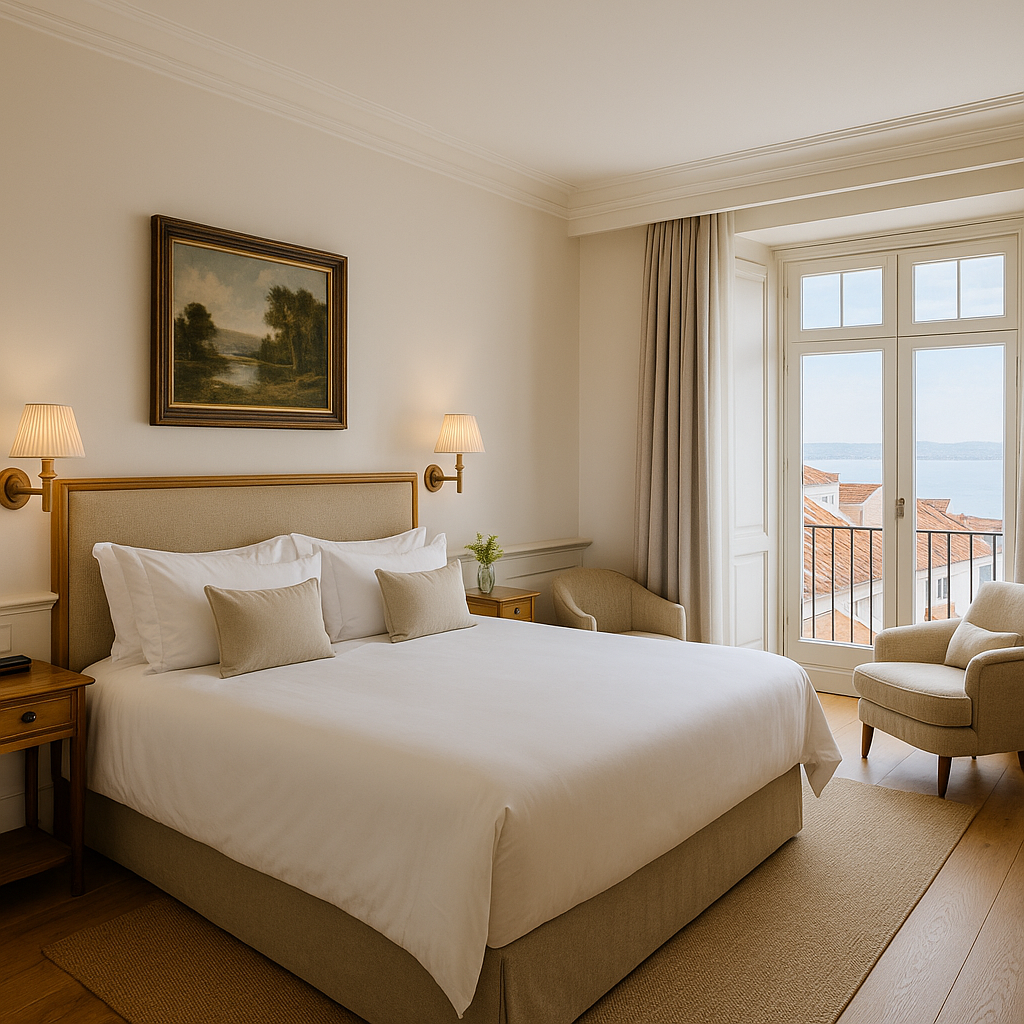
Lisbon, a vibrant city rich in history and culture, implements a municipal tourist tax for all visitors staying overnight. This guide provides a practical overview of the Lisbon City Tourist Tax for 2026, detailing the costs, where it applies, and the reasons behind its collection. Understanding this small fee ensures a smooth and informed start to your Portuguese adventure.
Understanding Lisbon's City Tourist Tax
Introduced in 2016, the Lisbon City Tourist Tax is a municipal charge levied on tourists for overnight stays within the city's administrative boundaries. This fee is a common practice across many popular European destinations, designed to help manage the impact of tourism and contribute to the local economy. The revenue generated is specifically earmarked for investments in tourism-related infrastructure and services. This includes maintaining public spaces, improving cleanliness, supporting cultural heritage preservation, and enhancing the overall visitor experience. It ensures that as Lisbon continues to welcome growing numbers of international guests, the city's resources and amenities can keep pace with demand, benefiting both residents and visitors alike. It's a modest contribution that plays a part in sustaining the charm and functionality of this beloved capital.How Much is the Lisbon Tourist Tax in 2026?
For 2026, the Lisbon Tourist Tax is set at a fixed rate per person, per night. Each visitor aged 13 and over will be charged €2 for every overnight stay. Importantly, this tax has a cap: it only applies for a maximum of seven consecutive nights. This means that regardless of how long your stay extends beyond a week, the total tourist tax charged to any individual will not exceed €14. For instance, if you stay for 10 nights, you will still only pay for the first seven, totalling €14. This structure ensures a predictable and manageable cost for travellers, preventing disproportionately high charges for longer visits while still contributing to the city's essential services. Always budget for this small additional cost when planning your trip.Where and When You'll Pay the Tax
The Lisbon City Tourist Tax is universally applied across all types of overnight accommodation situated within the Lisbon municipality. This includes hotels of every star rating, guesthouses, hostels, and short-term rental properties booked via platforms such as Airbnb, Booking.com, or directly. The responsibility for collecting this tax lies with your accommodation provider. Typically, you will be asked to pay the tourist tax directly to your hotel, guesthouse, or rental host either upon check-in or check-out. It is usually presented as a separate item on your bill, distinct from your room rate. It is advisable to confirm with your accommodation provider prior to arrival whether the tourist tax is included in your quoted price or if it will be an additional charge collected on-site. This clarity helps avoid any surprises during your stay.Always verify the precise tourist tax details directly with your chosen accommodation prior to your arrival in Lisbon to ensure full transparency and avoid any unexpected charges.
Why Lisbon Collects a Tourist Tax
The rationale behind Lisbon's tourist tax is multifaceted, primarily focused on sustainable tourism development and managing the city's infrastructure. Funds collected are channelled directly into projects that enhance the visitor experience and support the local community. These initiatives include improving public transport networks (even if you choose not to use them), upgrading public spaces, parks, and gardens, and enhancing waste management and cleaning services, particularly in high-traffic tourist areas. Furthermore, the tax contributes to the preservation and restoration of Lisbon's invaluable historical monuments and cultural sites, ensuring these treasures remain accessible and well-maintained for future generations. It also supports programmes promoting sustainable tourism practices, aiming to balance the economic benefits of tourism with environmental protection and quality of life for residents. In essence, your contribution helps Lisbon remain a beautiful, functional, and culturally rich city for everyone.Frequently Asked Questions
Is the tourist tax a new charge for 2026?
No, the Lisbon City Tourist Tax was introduced in 2016. While rates can occasionally be reviewed, the fundamental concept has been in place for several years.
Does the tourist tax apply to all visitors?
Yes, it applies to all visitors aged 13 and over who are staying overnight in accommodation within the Lisbon municipality.
Are children exempt from the tourist tax?
Yes, children under the age of 13 are exempt from paying the Lisbon City Tourist Tax.
What if my stay in Lisbon is longer than 7 nights?
The tourist tax is capped at a maximum of 7 consecutive nights. So, even if you stay for more than a week, you will only pay for the first seven nights, up to a total of €14 per person.
Is the tourist tax usually included in my accommodation price?
Generally, the tourist tax is not included in the initial accommodation price and is collected separately. It's always best to confirm this directly with your booking provider or accommodation.
Can I pay the tourist tax in advance?
Typically, the tourist tax is collected directly by your accommodation provider upon check-in or check-out. Advance payment options are not standard.
Does the tax apply to day trips to Lisbon?
No, the Lisbon City Tourist Tax only applies to overnight stays. If you are visiting Lisbon for the day and returning to accommodation outside the municipality, the tax will not apply to you.
What if I'm staying in nearby towns like Cascais or Sintra?
The Lisbon City Tourist Tax applies only to accommodation within the Lisbon municipality. If you are staying in Cascais, Sintra, or another municipality, this specific tax does not apply. Other municipalities may have their own local taxes.