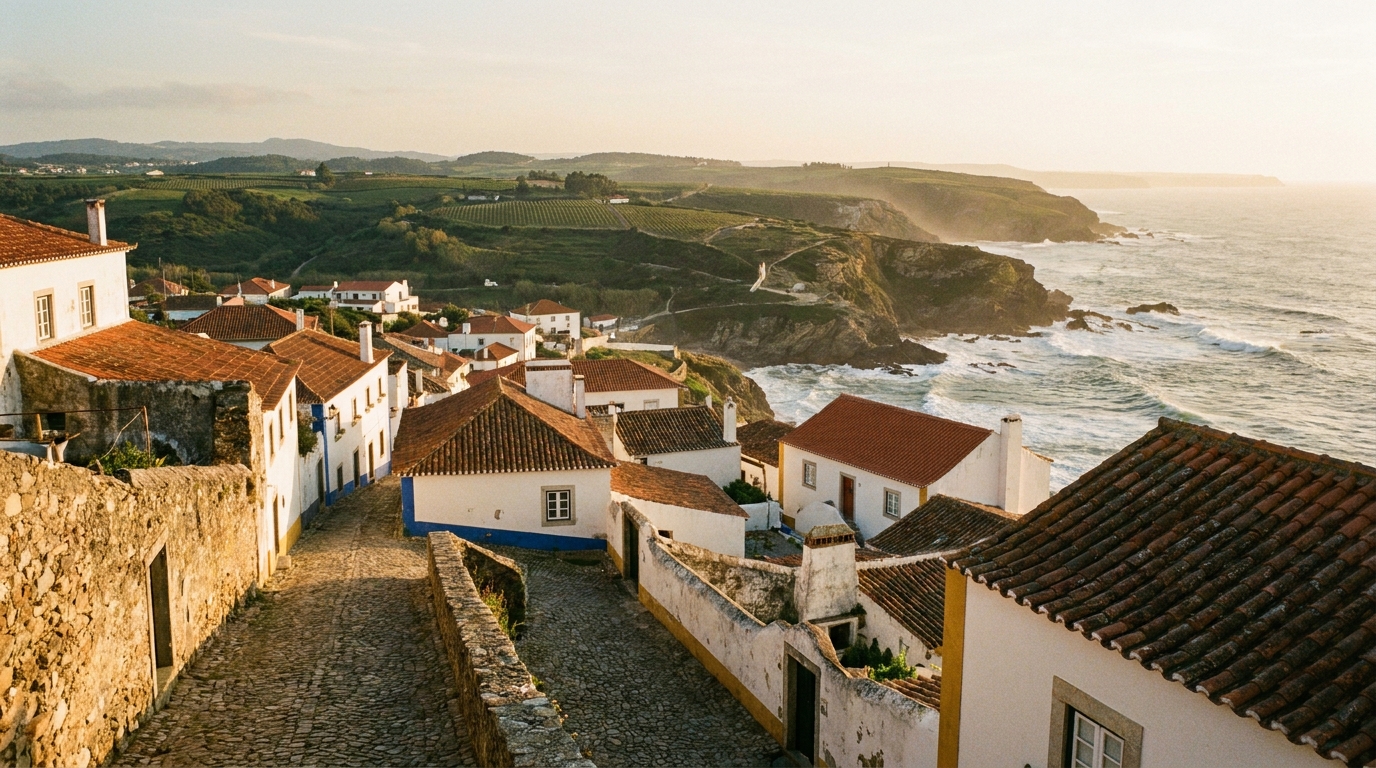
Portugal, a country blessed with a varied landscape and Atlantic influence, offers a diverse climate that changes significantly from north to south and coast to interior. Understanding these weather patterns is key to planning your perfect trip, ensuring you pack appropriately and choose the best time for your desired activities. This guide provides a practical overview of Portugal's year-round weather, helping you prepare for sunshine, rain, and everything in between.
Portugal's Climate Zones: Regional Variations
While often associated with a Mediterranean climate, Portugal experiences distinct regional weather. The North, encompassing areas like Minho and Porto, is generally cooler and wetter, particularly during winter months, due to its proximity to the Atlantic. Central Portugal, including Lisbon and the Alentejo, enjoys hotter, drier summers and milder, somewhat rainy winters. The Alentejo interior can see extreme summer heat. The South, particularly the Algarve, boasts the warmest and driest climate year-round, making it a popular choice for sun-seekers. Coastal areas across the country benefit from cooling sea breezes, moderating temperatures even during peak summer.Spring and Autumn: The Shoulder Seasons
The shoulder seasons of spring (March to May) and autumn (September to November) are often considered the best times to visit Portugal. Spring brings pleasant, mild temperatures, blooming wildflowers, and a refreshing green landscape, though occasional rain showers are common, especially in the north. Daytime temperatures are comfortable for exploring cities and hiking. Autumn offers warm, sunny days that gradually cool, with comfortable evenings. The sea remains warm enough for swimming into October in the south. These seasons generally mean fewer crowds compared to summer, making for a more relaxed travel experience. Packing layers, including a light jacket and comfortable walking shoes, is advisable.Summer and Winter: Peak and Off-Peak Experiences
Portuguese summers (June to August) are typically hot and dry, particularly inland. The Alentejo region can experience very high temperatures, often exceeding 35°C. Coastal cities like Lisbon and Porto, and the entire Algarve coastline, benefit from Atlantic breezes that provide some relief, though heatwaves can occur. Sun protection, hats, and staying hydrated are essential. Winter (December to February) is generally mild along the coast, especially in the south. The North experiences more rainfall and cooler temperatures, while the Serra da Estrela mountains occasionally see snow, offering unique winter sports opportunities. Winter city breaks can be very rewarding, with fewer tourists and a chance to experience local life without the summer rush. While it's not beach weather, clear, sunny days are still common.Always check the localised weather forecast for your specific destinations a few days before and during your trip, as microclimates can lead to variations even within short distances.
Costs & Timing: How Weather Influences Your Trip
The time of year you choose to visit Portugal, largely dictated by weather preferences, significantly influences overall travel costs and the availability of services. Summer, with its reliably hot and sunny weather, is the peak tourist season. This heightened demand can lead to accommodation being booked further in advance and at higher rates. Similarly, services such as private drivers may experience increased demand, meaning it's wise to book ahead. The shoulder seasons of spring and autumn often present a more budget-friendly option, with pleasant weather and generally lower prices for lodging and activities. Winter offers the fewest crowds and often the best value, particularly in city centres, though some coastal resorts may have limited services. For comfortable inter-city travel, especially during peak seasons when public options are crowded, arranging a private driver ensures a smooth journey. We recommend our local partner Portugal Magik for tailored quotes, ensuring a comfortable experience regardless of the season.Frequently Asked Questions
Is Portugal always sunny?
While Portugal enjoys many sunny days, especially in the south, it is not always sunny. The north experiences more rainfall, particularly in winter, and all regions can have overcast days or showers, especially outside of summer.
When is the best time to visit Portugal for good weather?
For generally pleasant weather suitable for most activities, the shoulder seasons of spring (April-May) and autumn (September-October) are ideal. Temperatures are mild, and there are fewer crowds.
Does it rain much in Portugal?
Rainfall varies significantly by region. The north (e.g., Porto) receives considerably more rain, especially during winter. The south (e.g., Algarve) is much drier, with very little rain during summer.
How hot does the Algarve get in summer?
The Algarve can get very hot in summer, with average daytime temperatures often in the high 20s to low 30s Celsius. Coastal areas benefit from sea breezes, but inland temperatures can be higher.
Can I swim in the sea in Portugal in winter?
While some brave individuals swim year-round, the sea temperature in winter is generally too cold for comfortable swimming, typically ranging from 14-17°C. Summer offers the warmest sea temperatures.
Is snow common in Portugal?
Snow is rare in most of Portugal. It typically only falls in the highest elevations of the Serra da Estrela mountain range during winter, offering opportunities for skiing and snowboarding.
What should I pack for a trip to Portugal in April?
For April, pack layers, including light long-sleeved tops, trousers, and a jumper or light jacket for cooler evenings. Comfortable walking shoes are essential, and a small umbrella or light rain jacket is advisable for occasional showers.
How does the weather vary between Lisbon and Porto?
Porto, being further north, generally experiences cooler temperatures and more rainfall than Lisbon, especially during autumn and winter. Lisbon has a milder, drier climate, particularly in summer.