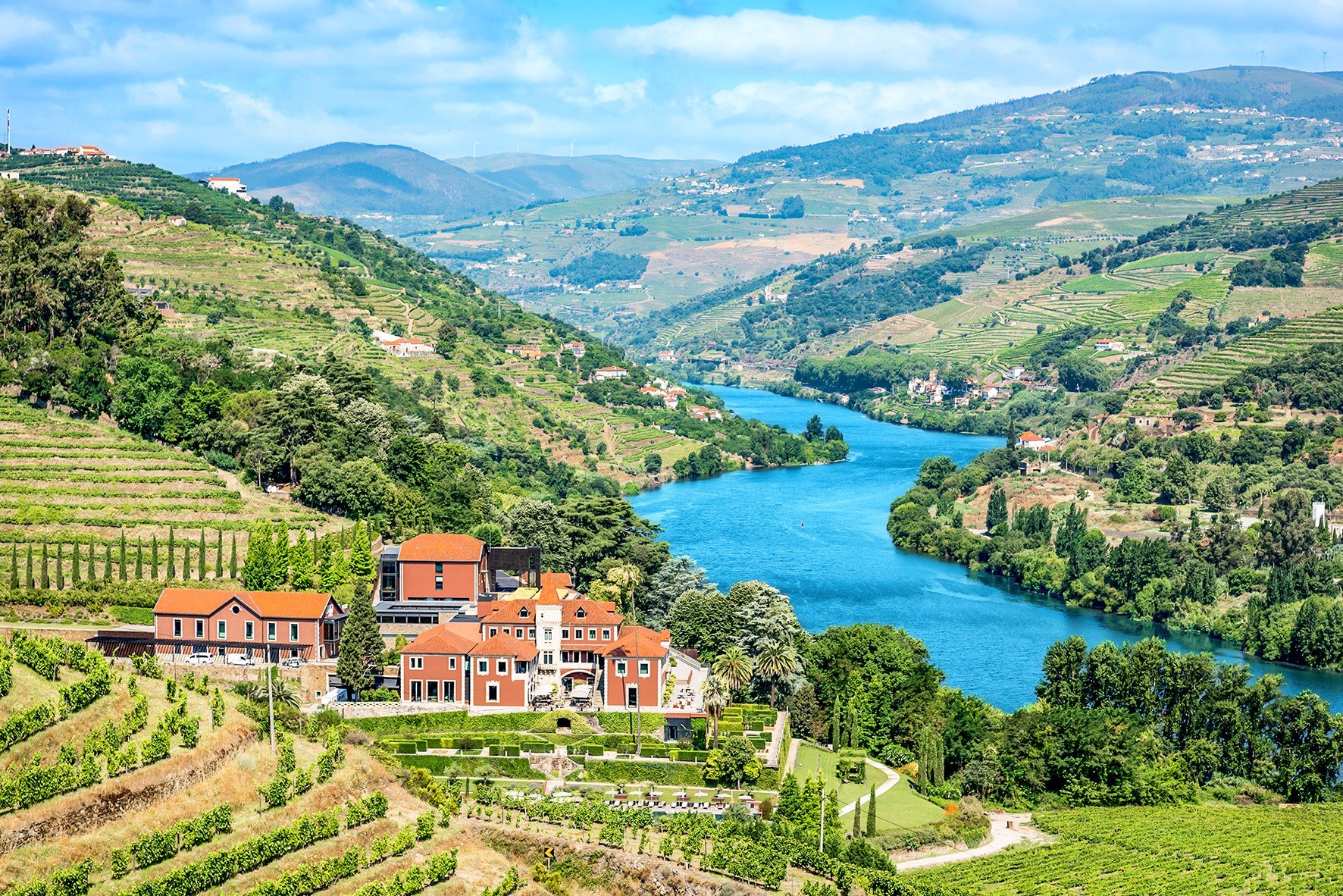
The Douro Valley, a UNESCO World Heritage site, is a region of breathtaking beauty and the oldest demarcated wine region in the world. While a lifetime could be spent exploring its terraced vineyards and charming quintas, 48 hours offers a fantastic glimpse into its heart. This guide focuses on practical advice for a memorable, no-fluff experience.
How to Get There and First Impressions
The Douro Valley is nestled inland from Porto, offering a dramatic change of scenery as you leave the city. The most comfortable way to reach the region is with a private driver – we recommend our local partner Portugal Magik. The journey from Porto to the heart of the Douro, around Pinhão, typically takes approximately 1.5 to 2 hours, depending on traffic and your specific destination. As you descend into the valley, prepare to be captivated by the iconic terraced vineyards carved into the hillsides, a testament to centuries of viticulture. Your chosen accommodation, whether a charming rural guesthouse or a luxurious quinta, will likely be a highlight in itself, offering unparalleled views and a tranquil start to your visit.Day 1: Pinhão and River Experiences
Begin your first day in Pinhão, often considered the scenic heart of the Douro. Start with a visit to the historic Pinhão railway station, famous for its azulejo tiles depicting harvest scenes. From here, embark on a traditional 'rabelo' boat trip along the Douro River. These hour-long cruises offer spectacular perspectives of the terraced vineyards from the water, a truly iconic experience. In the afternoon, focus on visiting a renowned quinta (wine estate) in the vicinity of Pinhão. Many offer guided tours of their cellars, explaining the port wine production process, followed by a tasting session. Popular choices include Quinta do Bomfim or Quinta das Carvalhas, both offering stunning views and informative experiences. Conclude your day with a delightful dinner at a local restaurant in Pinhão, savouring traditional Douro cuisine paired with excellent local wines.Day 2: Régua, Lamego & Scenic Drives
On your second day, explore further afield, venturing towards Peso da Régua and the historic town of Lamego. Régua, a larger town than Pinhão, serves as the administrative centre of the Douro demarcated region and is home to the Douro Museum, offering deeper insights into the region's history and wine culture. From Régua, consider a scenic drive along one of the many winding roads that offer panoramic vistas. A recommended route is towards Lamego, a charming city steeped in history. Visit the magnificent Sanctuary of Nossa Senhora dos Remédios, reached by an impressive Baroque staircase. In Lamego, you can also explore its charming historic centre and perhaps indulge in a local delicacy like 'bola de Lamego' (a savoury bread). Conclude your Douro adventure with a final superb meal, perhaps at a quinta offering a farm-to-table experience, before your private driver takes you back, reflecting on the region's beauty and flavour.To truly immerse yourself, consider staying at a working quinta. Many offer guest accommodation, providing an authentic insight into vineyard life and unparalleled hospitality.
Costs & Timing
The Douro Valley caters to a range of budgets, from charming guesthouses to luxurious wine hotels. Quinta tours and tastings vary in price, with basic tastings being more budget-friendly and premium, private experiences naturally costing more. Always check the official sites for current offerings and pricing. Dining experiences range from casual tascas to more upscale restaurant options. For private transfers, pricing depends on group size, vehicle and route; request a tailored quote. The best time to visit for pleasant weather and lush landscapes is spring (April-May) or early autumn (September-October), which coincides with the grape harvest, offering a vibrant atmosphere. Summer (June-August) can be very hot, while winter (November-March) is quieter and cooler, with some quintas having reduced hours.Frequently Asked Questions
What is the best time of year to visit the Douro Valley?
Spring (April-May) for blooming landscapes and mild weather, or early autumn (September-October) for the grape harvest and vibrant colours, are generally considered the best times.
How many quintas should I plan to visit in 48 hours?
For a relaxed pace, aim for one to two quintas. This allows for thorough tours and tastings without feeling rushed, leaving time for other activities.
Are boat trips essential in the Douro Valley?
Yes, a traditional 'rabelo' boat trip offers a unique perspective of the terraced vineyards from the river, providing stunning photo opportunities and a memorable experience.
What kind of food can I expect in the Douro Valley?
Expect hearty, traditional Portuguese cuisine. Popular dishes include roasted kid (cabrito assado), various codfish (bacalhau) preparations, and local sausages, often paired with Douro DOC wines.
Is the Douro Valley suitable for families with children?
While primarily a wine region, many quintas welcome families, and children often enjoy the boat trips. However, the focus is largely on wine-related activities, so plan accordingly.
Do I need to book quinta tours and tastings in advance?
Absolutely, especially during peak season. Booking ahead ensures availability and can sometimes offer a wider choice of experiences.
What is the difference between Pinhão and Peso da Régua?
Pinhão is smaller, more picturesque, and often considered the scenic heart of the region. Peso da Régua is a larger, more commercial town with more amenities and the Douro Museum.
What should I pack for a 48-hour trip to the Douro?
Comfortable walking shoes are essential. Pack layers of clothing as temperatures can fluctuate, and bring sun protection (hat, sunglasses) for sunny days, even outside of summer.