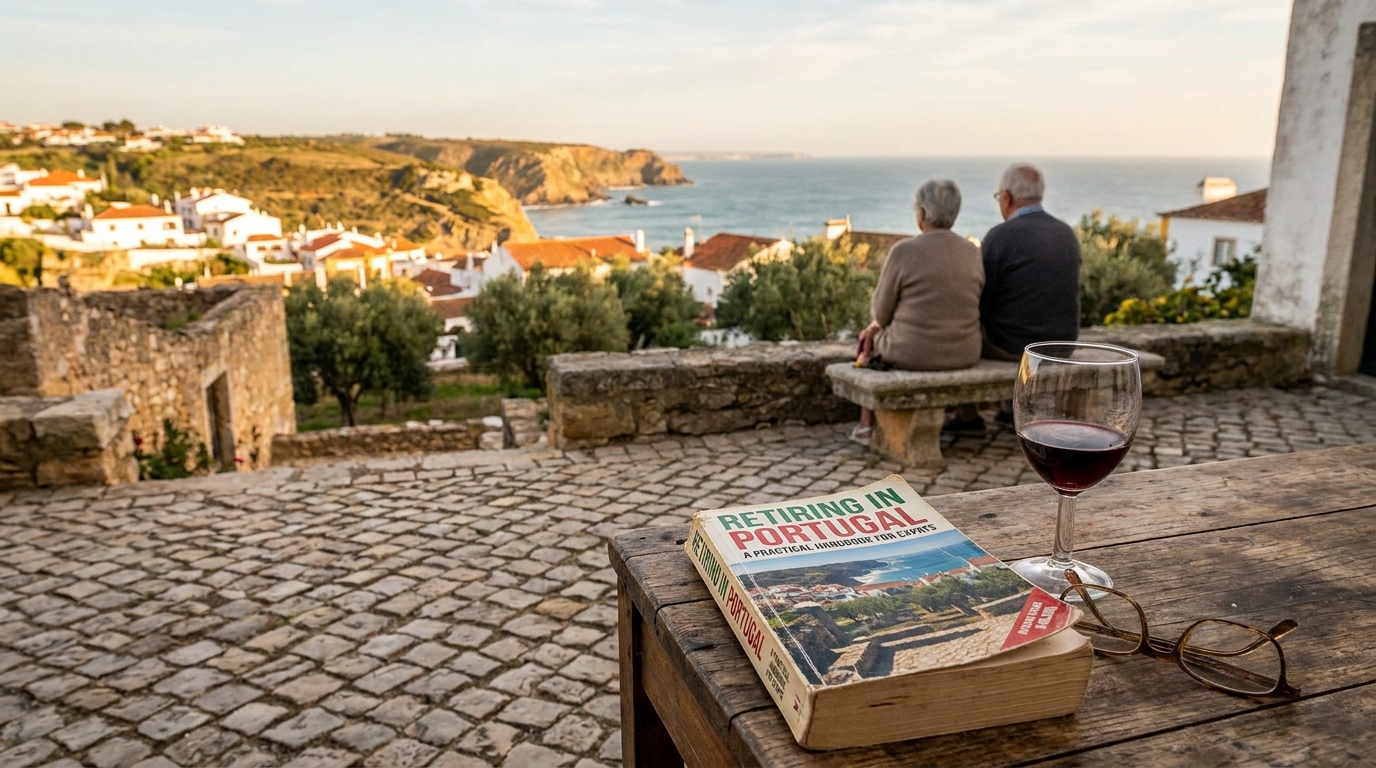
Portugal offers a compelling blend of rich culture, stunning landscapes, and an attractive cost of living, making it a favoured destination for retirees worldwide. This guide provides a practical overview of the essential steps and considerations for making your retirement dream in Portugal a reality, focusing on clear, actionable advice for a smooth transition.
Navigating Portuguese Residency for Retirees
Securing residency is the cornerstone of your retirement in Portugal. The D7 Visa, often referred to as the 'Retirement Visa', is the most common route for non-EU/EEA/Swiss citizens who can demonstrate sufficient passive income. This typically involves pension income, rental income, or investments, proving you can support yourself without needing to work. The process begins with obtaining a NIF (Número de Identificação Fiscal), Portugal's tax identification number, which is crucial for all financial activities, including opening a bank account. You'll need to open a Portuguese bank account to demonstrate your financial capacity and for subsequent financial transactions. Health insurance is another vital requirement, ensuring you have adequate coverage upon arrival. The application process involves submitting documents to a Portuguese consulate in your home country, followed by an interview, before receiving a temporary residency permit upon arrival in Portugal. Engaging with a legal professional can significantly streamline this complex process.Finding Your Ideal Portuguese Home
Portugal boasts a diverse array of regions, each offering a distinct lifestyle for retirees. The Algarve, in the south, is renowned for its golden beaches, golf courses, and vibrant expat communities, with popular towns like Lagos, Tavira, and Vilamoura. The Lisbon Coast, encompassing areas like Cascais and Estoril, offers a sophisticated urban-coastal blend with excellent amenities and proximity to the capital. For a quieter, more traditional experience, the Silver Coast (Costa de Prata) further north, with towns such as Nazaré and Peniche, presents charming villages, dramatic coastlines, and a lower cost of living. In the north, Porto and its surrounding region (e.g., Braga, Guimarães) offer a richer cultural tapestry, cooler climates, and world-class gastronomy. Central Portugal, including cities like Coimbra and Évora, provides historical charm, academic environments, and a more rural, authentic Portuguese experience. Exploring these diverse regions to find your perfect fit is best done at your own pace; a private driver can offer comfortable bespoke tours across the country, allowing you to experience different areas before committing.Healthcare, Finance & Daily Life Considerations
Portugal operates a public healthcare system, the Serviço Nacional de Saúde (SNS), which is accessible to legal residents. While the SNS provides comprehensive care, many expatriates opt for private health insurance for quicker access to specialists and a wider choice of facilities, particularly during their initial years. Financially, understanding Portugal’s tax landscape is paramount. The Non-Habitual Resident (NHR) status offers attractive tax benefits for qualifying new residents for ten years, potentially reducing tax on foreign pension income. It's crucial to seek professional tax advice to understand if you qualify and how to best structure your finances. Daily life in Portugal is generally relaxed. While English is spoken in tourist areas and by many younger generations, learning basic Portuguese phrases will greatly enhance your integration and daily interactions. Remember to factor in currency exchange rates and international banking fees when managing your finances from abroad.Embrace the Portuguese pace of life. Bureaucracy can sometimes be slow, so patience and a flexible attitude will serve you well. Always carry copies of important documents.
Understanding the Costs and Timeline
The cost of retiring in Portugal can vary significantly based on your chosen location and lifestyle. Major cities like Lisbon and Porto, and the popular coastal areas of the Algarve, generally have higher living costs, particularly for housing. Inland regions and the Silver Coast offer more budget-friendly options. Groceries, utilities, and local services are typically considered mid-range compared to other Western European countries. For bespoke services like private transfers or tailored tours, pricing depends on group size, vehicle choice, and the specific route. Regarding timeline, the D7 Visa application process can take several months, from initial document gathering to visa approval. Once in Portugal, securing your residency permit can add further weeks. It’s advisable to allow 6-12 months for the entire relocation process, from initial planning to fully settling into your new Portuguese life. Careful planning and professional guidance can help manage expectations and streamline your move.Frequently Asked Questions
Can I bring my pets when I retire to Portugal?
Yes, you can bring your pets, but they must comply with EU regulations, including microchipping, rabies vaccination, and a valid EU pet passport or official veterinary certificate. It's essential to plan this well in advance.
Do I need to speak Portuguese to retire there?
While not strictly mandatory, especially in expat-heavy areas, learning basic Portuguese is highly recommended. It greatly enhances daily interactions, helps with integration, and shows respect for the local culture. Many Portuguese people, especially younger generations, speak English.
Is Portugal a safe country for retirees?
Portugal is consistently ranked among the safest countries in the world. Serious crime is rare, and violent crime is very low. However, like any country, petty crime such as pickpocketing can occur in busy tourist areas, so common sense precautions are advisable.
What is the typical weather like in Portugal?
Portugal enjoys a Mediterranean climate. The south (Algarve) is known for hot, dry summers and mild winters. Central and northern regions have hotter summers but cooler, wetter winters. Coastal areas benefit from sea breezes, making summers more comfortable.
How long does the D7 Visa process usually take?
The D7 Visa process typically takes several months, from submitting your application to receiving your visa. This includes time for gathering documents, consulate appointments, and processing. It's wise to start planning at least 6-9 months before your desired move date.
Can I work part-time in Portugal while on a D7 Retirement Visa?
The D7 Visa is specifically for individuals with passive income. If you intend to work, even part-time, you might need a different visa category, such as the D2 (Entrepreneur) or D8 (Digital Nomad) visa. Consult with an immigration expert for appropriate visa options.
What are the requirements for driving in Portugal as a resident?
As a resident, you must exchange your foreign driving licence for a Portuguese one within 185 days of obtaining residency. The specific process depends on your country of origin and any existing agreements with Portugal.
Which areas in Portugal have large expat communities?
The Algarve region (e.g., Lagos, Vilamoura, Tavira) is well-known for its significant expat population. The Lisbon coastal areas (Cascais, Estoril) also have established international communities. Other emerging expat hubs include Porto, Braga, and parts of the Silver Coast.