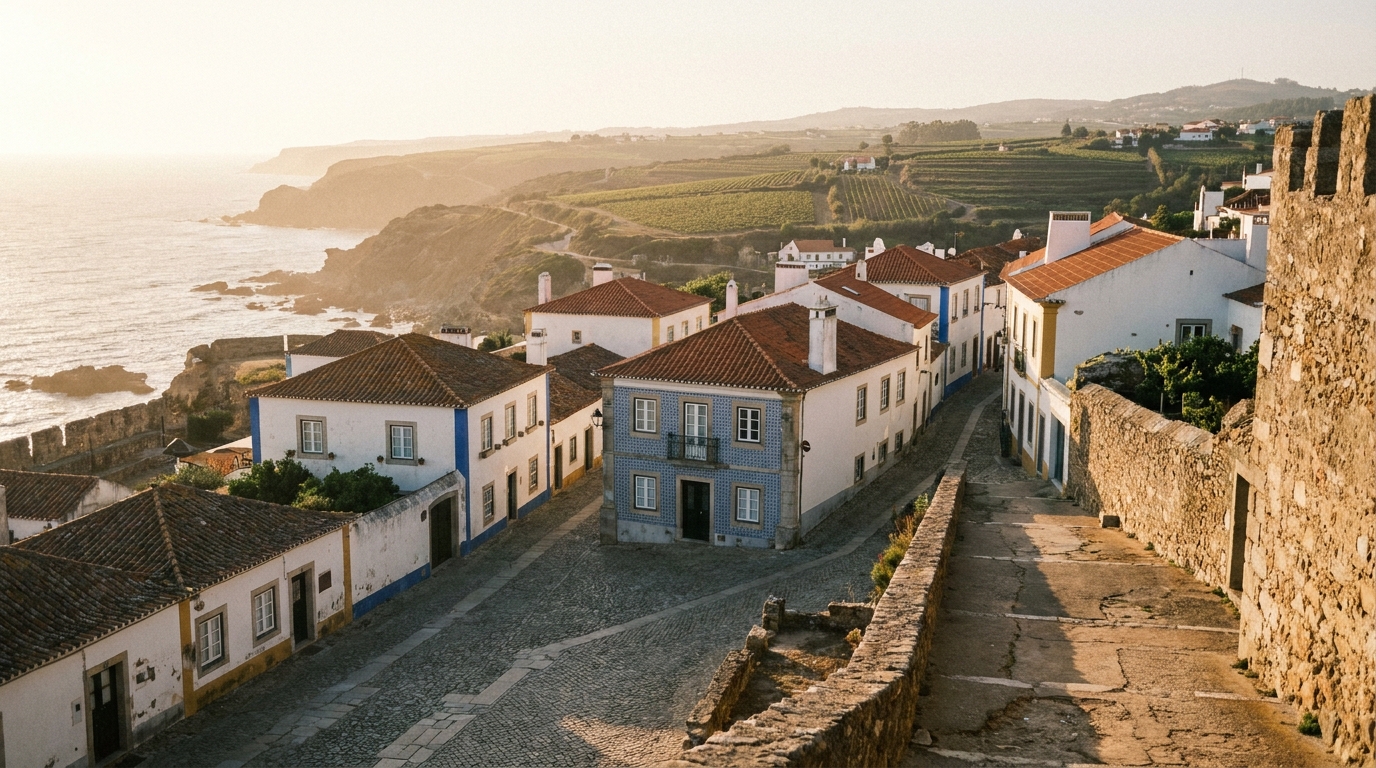
Portugal, with its sun-drenched coasts, historic cities, and delectable cuisine, offers an unforgettable experience for first-time visitors. To ensure your inaugural journey is smooth and enjoyable, a bit of practical planning goes a long way. This guide provides ten essential tips to help you navigate this beautiful country like a seasoned traveller, focusing on comfort and local immersion.
Navigating Cities and Inter-City Journeys
Getting around Portugal's cities is an experience in itself. In Lisbon and Porto, you'll find that much of the charm lies in exploring on foot, especially through their historic, winding streets. Be prepared for hills – comfortable walking shoes are an absolute must. For longer distances within a city, or when tired, taxis and ride-sharing apps like Uber and Bolt are readily available and offer a convenient way to get from A to B. In Lisbon, taking a ride on the iconic yellow tram can be a scenic way to see parts of the city, though it's primarily a tourist attraction rather than a practical daily commute. For travel between Portugal's captivating cities and regions, a private driver offers unparalleled comfort and flexibility. Imagine a seamless journey from Lisbon to Porto, taking approximately three hours without stops, allowing you to relax and enjoy the changing landscapes. Similarly, reaching the sun-drenched Algarve from Lisbon takes around two and a half to three hours, while a trip to the historic Alentejo city of Évora is typically just over an hour's drive. The most comfortable way to reach your destination is with a private driver — we recommend our local partner Portugal Magik. This option allows you to set your own schedule, make stops as you wish, and travel in privacy, making it ideal for those who value convenience and a personalised experience. Remember to always carry a mix of payment options; while cards are widely accepted, smaller establishments and market stalls often prefer cash.Embracing Portuguese Culture and Cuisine
Portugal's rich culture is best experienced by embracing its customs. Mealtimes here often run later than in some other European countries, particularly dinner, which typically begins around 7:30 PM or 8:00 PM. Lunch, however, is a substantial affair, and many restaurants offer a 'menu do dia' – a set daily menu that provides excellent value. Tipping is appreciated but not mandatory; it’s customary to round up the bill or leave a small amount for good service, rather than a fixed percentage. Learning a few basic Portuguese phrases will significantly enhance your interactions. Simple greetings like 'Olá' (Hello), 'Obrigado/Obrigada' (Thank you – masculine/feminine), 'Por favor' (Please), and 'Com licença' (Excuse me) go a long way in showing respect and often elicit warm responses from locals. When visiting churches or religious sites, it's respectful to dress modestly, covering shoulders and knees. If you attend a Fado performance, Portugal's soulful music, remember that it's a profound cultural experience; listen quietly and avoid talking during the songs to show respect for the performers and the art form. These small gestures will deepen your connection with the country and its people, making your visit more meaningful and memorable.Planning Ahead and Practicalities
Careful planning can smooth out many potential travel wrinkles. Portugal is a popular destination, especially during the peak summer months (June to August) and around major holidays. Booking your accommodation well in advance is highly recommended to secure your preferred options and potentially better rates. This is especially true for sought-after areas like Lisbon's historic districts, Porto's riverside, or the Algarve's coastal towns. The weather in Portugal can be quite varied, even within a single day. Coastal areas often experience refreshing breezes, while inland regions can get very hot, especially in summer. Packing layers is a smart strategy, allowing you to adapt to temperature changes throughout the day and evening. Even in summer, a light jacket or cardigan can be useful. Finally, resist the urge to see everything on your first trip. Portugal is a country rich in diverse regions, from the vibrant urban energy of Lisbon and Porto to the serene vineyards of the Douro Valley, the historic plains of the Alentejo, and the stunning beaches of the Algarve. Focusing on one or two regions will allow for a more immersive and less rushed experience, letting you truly soak in the local atmosphere rather than constantly moving from one place to the next.Always carry a small amount of local currency for minor purchases or places that prefer cash, such as local markets or small cafes.
Costs & Timing for Your Portuguese Adventure
The cost of a trip to Portugal can vary significantly based on your travel style and the time of year. Generally, Portugal is considered a more budget-friendly destination compared to many Western European countries, particularly for food and local experiences. Dining out, from casual 'tascas' to mid-range restaurants, offers excellent value. However, premium dining experiences and luxury accommodations will naturally command higher prices. Attraction entry fees are typically modest, but these can add up if you plan to visit many sites. For private transfers and bespoke day tours, pricing depends on group size, vehicle type, and the specific route or itinerary. It's always best to request a tailored quote for these services to get an accurate estimate for your needs. Timing your visit is crucial. The shoulder seasons – April to May and September to October – are often considered ideal. During these months, the weather is pleasantly warm, crowds are smaller than in peak summer, and prices for accommodation and some activities can be more favourable. Summer (June-August) brings the warmest weather and vibrant festivals, but also the largest crowds and highest prices. Winter (November-March) is quieter, with milder temperatures, especially in the south, and offers a more tranquil experience, though some coastal areas might have limited services.Frequently Asked Questions
Is Portugal expensive for first-time visitors?
Compared to many Western European countries, Portugal is generally considered a more budget-friendly destination, especially for food and local experiences. However, costs can vary based on your travel style and accommodation choices.
What's the best time of year to visit Portugal?
The shoulder seasons (April-May and September-October) are often ideal, offering pleasant weather, fewer crowds, and potentially better prices than the peak summer months.
Do I need to speak Portuguese?
While learning a few basic phrases is always appreciated, English is widely spoken in tourist areas, hotels, and restaurants, so you should be able to communicate effectively.
Is tap water safe to drink in Portugal?
Yes, tap water is generally safe to drink throughout mainland Portugal. However, bottled water is readily available if you prefer.
What are the must-try Portuguese foods?
Don't miss the iconic Pastel de Nata, various bacalhau (codfish) dishes, grilled sardines, and local wines like Vinho Verde. Each region offers unique culinary delights.
How do I get from Lisbon Airport to the city centre?
For convenient travel, you can use a taxi, ride-sharing apps like Uber or Bolt, or arrange for a private driver directly from the airport to your accommodation.
Are credit cards widely accepted in Portugal?
Credit and debit cards are widely accepted in most shops, restaurants, and hotels. However, it's advisable to carry some cash for smaller purchases or at local markets.
Is Portugal safe for tourists?
Portugal is generally considered a very safe country for tourists. As with any travel destination, it's wise to be aware of your surroundings and take standard precautions against petty theft, especially in crowded tourist areas.