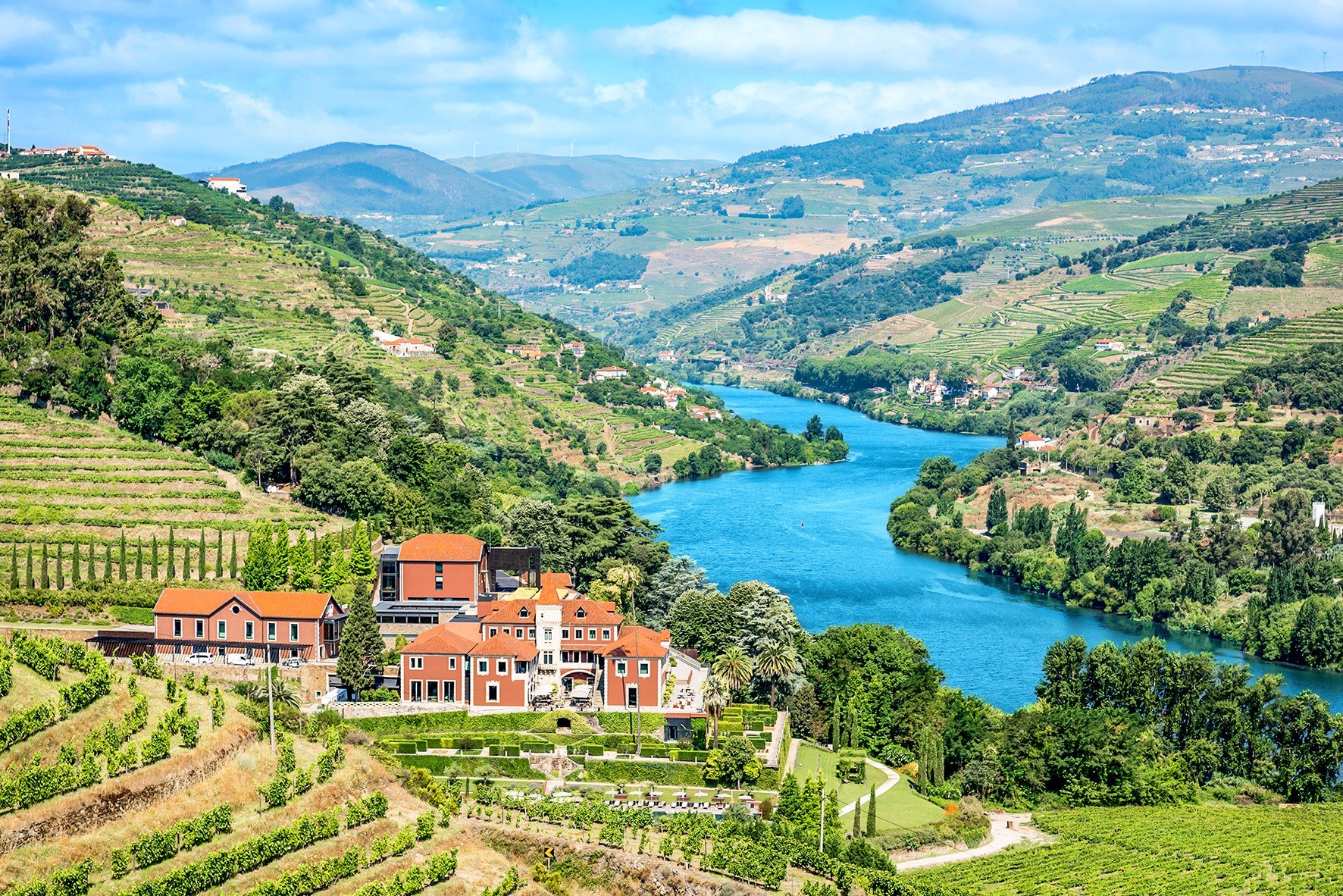
The Douro Valley, a UNESCO World Heritage site, continues to evolve, offering discerning travellers new reasons to visit in 2026. Beyond its timeless terraced vineyards and world-renowned Port wine, the region is seeing a surge in sophisticated experiences, luxury accommodations, and innovative winery approaches. Prepare for a journey that blends tradition with contemporary indulgence, all set against one of Europe's most breathtaking landscapes.
The Evolving Wine Scene: Innovation & Sustainability
In 2026, the Douro's wineries are increasingly focused on sustainable practices and unique, intimate tasting experiences. Expect to find more quintas offering specialised tours that delve into organic viticulture, biodynamic farming, or single-varietal tastings showcasing the region's diverse grape profiles beyond the traditional Port. Many producers are investing in modern cellar technologies while honouring centuries-old techniques, creating a fascinating blend of old and new. Look out for estates that provide vertical tastings of their aged Ports or exclusive sessions with winemakers discussing emerging Douro DOC table wines. Several smaller, family-run quintas are also enhancing their visitor centres, moving towards bespoke, appointment-only visits that offer a more personal connection to the land and its produce. The emphasis is on quality over quantity, ensuring an authentic and educational experience. The most comfortable way to reach these estates from Porto or Lisbon is with a private driver – we recommend our local partner Portugal Magik for a seamless journey.Luxury Accommodation & Boutique Stays for 2026
The Douro Valley's accommodation landscape continues to flourish, with a growing number of high-end hotels and renovated boutique quintas preparing for the 2026 season. Travellers can anticipate more luxurious options featuring infinity pools overlooking the river, world-class spa facilities, and fine dining restaurants celebrating regional gastronomy. Many historic manor houses are being meticulously restored, offering elegant rooms that blend traditional Portuguese décor with modern comforts. Beyond the larger, established hotels, smaller, independently-owned boutique properties are emerging, providing personalised service and an authentic sense of place. These often include private terraces, exclusive wine cellars for guests, and activities such as cooking classes or guided vineyard walks. Booking well in advance is highly recommended, especially for peak seasons, as these unique properties often have limited availability due to their intimate scale and high demand.Immersive Experiences Beyond the Cellar Door
While wine tasting remains central, the Douro Valley in 2026 offers a richer tapestry of experiences. Consider a private river cruise along the Douro, ranging from a few hours to a full day, often including gourmet meals and stops at riverside quintas. These cruises provide unparalleled views of the terraced vineyards from a unique perspective. For the active traveller, guided hiking or cycling tours through the vineyards are becoming more popular, allowing for a deeper appreciation of the landscape and its agricultural heritage. Culinary experiences are also on the rise, with more estates offering workshops on traditional Portuguese cooking, olive oil tastings, or even grape harvesting experiences during the vintage season. Cultural immersion can be found in visits to charming Douro towns like Lamego, Peso da Régua, or Pinhão, where local markets and historical sites offer a glimpse into everyday Douro life.For an unparalleled experience, consider timing your visit with the 'vindima' (grape harvest) in late September or early October. Many quintas offer special harvest programmes, sometimes including traditional grape treading.
Costs & Timing for Your 2026 Visit
Planning your Douro Valley trip for 2026 involves considering both the financial outlay and the optimal timing. While specific prices are subject to change, the Douro generally offers options from mid-range to premium experiences. Accommodation can range from charming guesthouses to luxury five-star hotels, with rates reflecting the level of service and exclusivity. Private driver services, offering door-to-door comfort, will vary based on vehicle type, distance, and duration; always request a tailored quote for your specific itinerary. Winery tours and tasting experiences can range from budget-friendly options to exclusive, multi-course gastronomic journeys. The shoulder seasons (April-May and September-October) are often considered ideal, offering pleasant weather and fewer crowds than the peak summer months. However, the 'vindima' period in September-October is highly sought after for its vibrant atmosphere, though it may command higher prices and require earlier bookings.Frequently Asked Questions
What is the best time to visit the Douro Valley in 2026?
The shoulder seasons, April-May and September-October, are generally ideal. Spring brings lush landscapes and comfortable temperatures, while autumn offers the excitement of the grape harvest and stunning foliage. Summer (June-August) is hot but popular for river cruises.
How should I get around the Douro Valley once I'm there?
For exploring the region's dispersed quintas and viewpoints, a private driver is highly recommended. This allows you to fully enjoy wine tastings without concern for navigation or driving. Some areas are also pleasant for walking or cycling.
What types of wine experiences are available?
You can find a range of experiences from standard Port and Douro DOC wine tastings, to guided vineyard tours, cellar visits, and even winemaker-led private sessions. Many quintas also offer gastronomic pairings and cooking classes.
Is the Douro Valley suitable for families?
Yes, while primarily known for wine, many quintas offer family-friendly activities like swimming pools, farm animals, and outdoor spaces. River cruises are also popular with all ages. Plan activities that cater to different interests.
What non-wine activities can I enjoy in the Douro Valley?
Beyond wine, you can take a private river cruise, explore charming towns like Pinhão or Lamego, visit historical sites, or enjoy outdoor activities such as hiking and cycling through the picturesque landscapes. Olive oil tastings are also an option.
How many days should I plan for a visit to the Douro Valley?
To truly experience the region without rushing, we recommend a minimum of two to three full days. This allows for visits to several quintas, a river cruise, and exploration of a local town or two.
What kind of food can I expect in the Douro Valley?
The Douro offers robust, traditional Portuguese cuisine. Expect hearty dishes featuring roasted meats (lamb, goat), bacalhau (codfish), and local produce. Many restaurants focus on farm-to-table concepts, pairing meals with local Douro wines.
Do I need to book winery tours and accommodation in advance for 2026?
Absolutely. Especially for boutique hotels, popular quintas, and private transfer services, booking well in advance is crucial. Many wineries operate by appointment only, ensuring a more personal and exclusive experience.