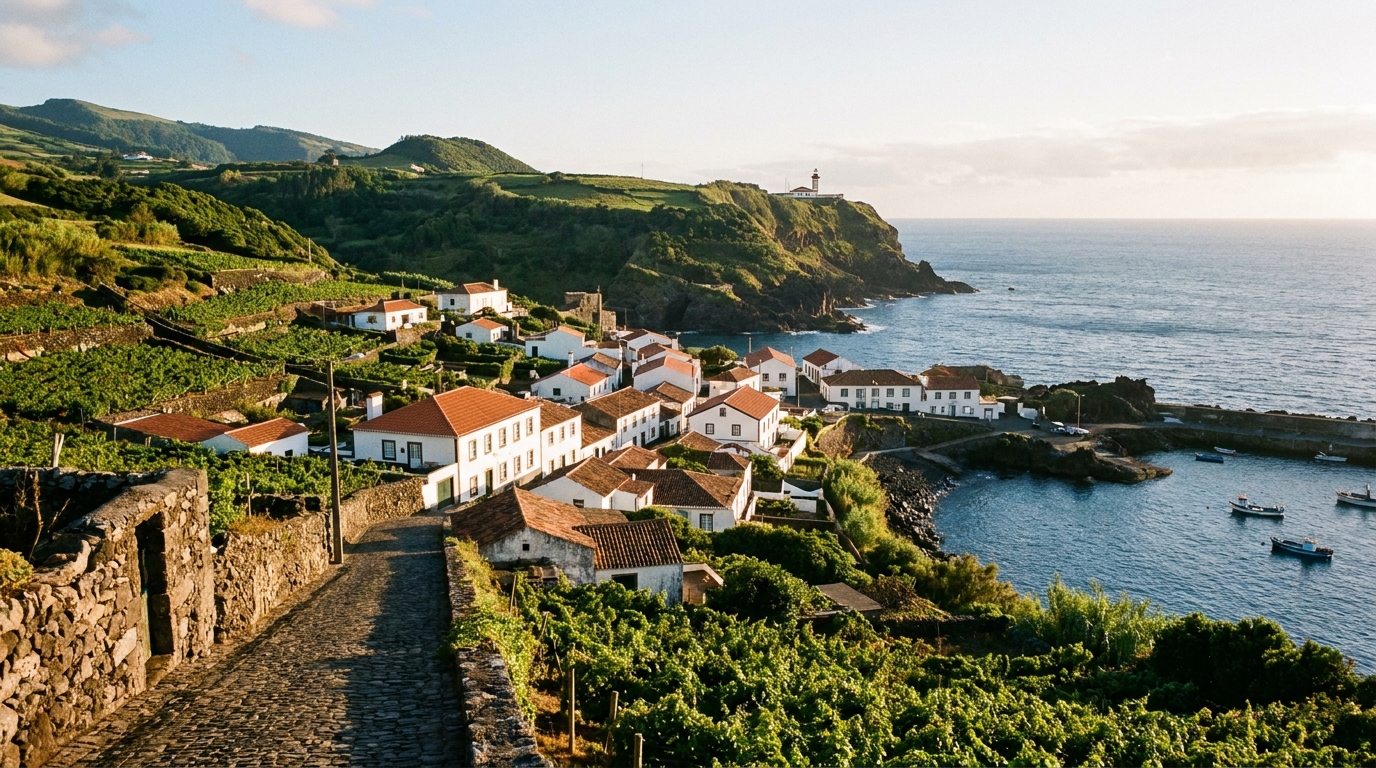
As 2026 approaches, Portugal's enchanting Azorean archipelago continues to evolve, offering travellers fresh perspectives and enhanced access. This guide provides a practical look at what's new for visiting the nine volcanic islands, from anticipated flight routes and innovative places to stay to immersive experiences that delve deeper into their natural beauty and unique culture. Prepare for an unforgettable journey to this Atlantic gem.
Navigating New Air Routes to the Azores
By 2026, the Azores are expected to solidify and potentially expand their air links, making access even more convenient. The primary international gateway remains João Paulo II Airport (PDL) on São Miguel, serving Ponta Delgada, with Lajes Field (TER) on Terceira also handling some international traffic. Travellers can anticipate a robust network of flights from mainland Portugal, primarily Lisbon and Porto, which typically see increased frequencies during the peak summer months. Beyond the national carriers, several European low-cost and traditional airlines are projected to offer seasonal direct routes from key cities like London, Frankfurt, and Amsterdam, responding to the archipelago's growing popularity. For those arriving from North America, direct connections to São Miguel are likely to be well-established, with options from Boston and Toronto being consistent. Inter-island travel within the Azores is exclusively handled by regional flights, connecting all nine islands efficiently. Booking these internal flights well in advance, especially for smaller islands, is highly advisable to secure preferred timings and availability.Sustainable Stays: Accommodation Trends for 2026
The Azorean commitment to sustainability is increasingly reflected in its accommodation offerings. By 2026, visitors can expect a wider array of eco-friendly and locally integrated options. São Miguel, as the largest island, leads with diverse choices ranging from premium boutique hotels that blend modern luxury with traditional Azorean architecture to charming guesthouses nestled in verdant landscapes. Increasingly popular are 'quintas' – refurbished farm estates offering an authentic rural experience, often with organic produce and breathtaking views. On islands like Pico, unique 'casas de lava' (lava stone houses) provide a distinctive stay amidst vineyards, while Faial and Terceira offer historic manor houses and coastal hotels with a strong sense of place. Expect to see more certification for sustainable tourism practices across the islands, ensuring that your stay contributes positively to the local environment and community. Many new developments focus on minimal environmental impact, using renewable energy and local materials, appealing to the conscious traveller seeking both comfort and responsibility.Unique Azorean Experiences: Beyond the Usual
In 2026, the Azores will continue to offer unparalleled natural adventures, with a growing emphasis on authentic and immersive experiences. While whale and dolphin watching remains a highlight, ethical operators are focusing on respectful encounters and marine conservation education. For land-based exploration, consider guided canyoning adventures in the lush ravines of São Miguel or Flores, or explore the volcanic landscapes of Pico, including ascents of Portugal’s highest peak. Geotourism is flourishing, with new interpretive centres and guided tours exploring lava tubes, fumaroles, and hot springs like those in Furnas and Terra Nostra Park. Culinary experiences are also evolving; look for farm-to-table dining, cookery classes using local ingredients, and bespoke gastronomy tours that highlight Azorean cheese, wine, and seafood. Stargazing tours, particularly on islands with less light pollution such as Corvo or Santa Maria, offer a magical perspective on the night sky. For a truly local insight, seek out workshops on traditional crafts or join a fishing expedition with local fishermen. The most comfortable way to reach remote activity starting points is often with a private driver — we recommend our local partner Portugal Magik.To truly appreciate the distinct character of each island, consider a multi-island itinerary, allowing at least 2-3 full days per island for a deeper exploration.
Understanding Costs & Timing for an Azorean Adventure
Planning your Azorean trip for 2026 involves considering both the timing of your visit and the associated costs. The peak season, from June to September, offers the warmest weather and calmest seas, ideal for water activities and hiking. However, this period also sees higher demand for flights and accommodation, meaning prices will be at their premium. The shoulder seasons – April-May and October-November – often provide a good balance: pleasant weather, fewer crowds, and more budget-friendly options for stays and activities. Winter months offer a quieter experience, with lush green landscapes and fewer tourists, though weather can be more unpredictable. Overall costs for an Azorean adventure vary significantly based on your chosen accommodation (from budget-friendly guesthouses to premium boutique hotels), the number of islands visited, and the types of activities you pursue. While entry to many natural sites is free, guided tours and specialised experiences will incur costs. We recommend requesting tailored quotes for bespoke tours and private transfers, as pricing depends on group size, vehicle, and specific routes. Booking flights and accommodation several months ahead, especially for peak season, is always prudent.Frequently Asked Questions
Which islands are best for a first-time visit in 2026?
For a first-time visit, São Miguel is highly recommended due to its diverse landscapes, hot springs, and excellent infrastructure. Combining it with Terceira, known for its historic Angra do Heroísmo, or Pico, famous for its volcano and wine culture, offers a well-rounded experience.
What's the best way to travel between Azorean islands?
Travel between the Azorean islands is primarily by inter-island flights operated by SATA Air Açores. For closer islands, particularly in the central group (Faial, Pico, São Jorge), ferry services are also available and can be a scenic option, though they are more weather-dependent.
Are there new direct flights to the Azores expected in 2026?
While specific new routes for 2026 are subject to airline announcements, the trend indicates strengthening connections from major European cities and North America (e.g., Boston, Toronto) to São Miguel (Ponta Delgada), and possibly some additional seasonal routes.
What kind of unique accommodation can I find in the Azores?
Unique accommodation includes eco-lodges integrated into nature, traditional 'quintas' (farm estates), 'casas de lava' (lava stone houses) on Pico, and charming boutique hotels in historic town centres. Many options focus on sustainability and local experiences.
What are some must-do experiences in the Azores in 2026?
Must-do experiences include ethical whale and dolphin watching, exploring the hot springs of Furnas, hiking to Lagoa do Fogo, canyoning, visiting volcanic caves, and indulging in Azorean gastronomy, especially fresh seafood and local cheeses.
When is the best time to visit the Azores for new experiences?
The shoulder seasons (April-May and October-November) are often ideal. The weather is generally pleasant, crowds are fewer, and you can enjoy both outdoor activities and cultural experiences without the peak season rush, potentially with more budget-friendly options.
How can I ensure a sustainable trip to the Azores?
To ensure a sustainable trip, choose certified eco-friendly accommodations, support local businesses and artisans, respect natural environments by staying on marked trails, minimise waste, and participate in ethical wildlife observation tours.
Is it easy to find private transport services on the islands?
Yes, private transport services, including taxis and pre-booked private drivers, are readily available on the larger islands like São Miguel and Terceira. It is advisable to arrange these in advance, especially for bespoke tours or transfers to more remote locations.