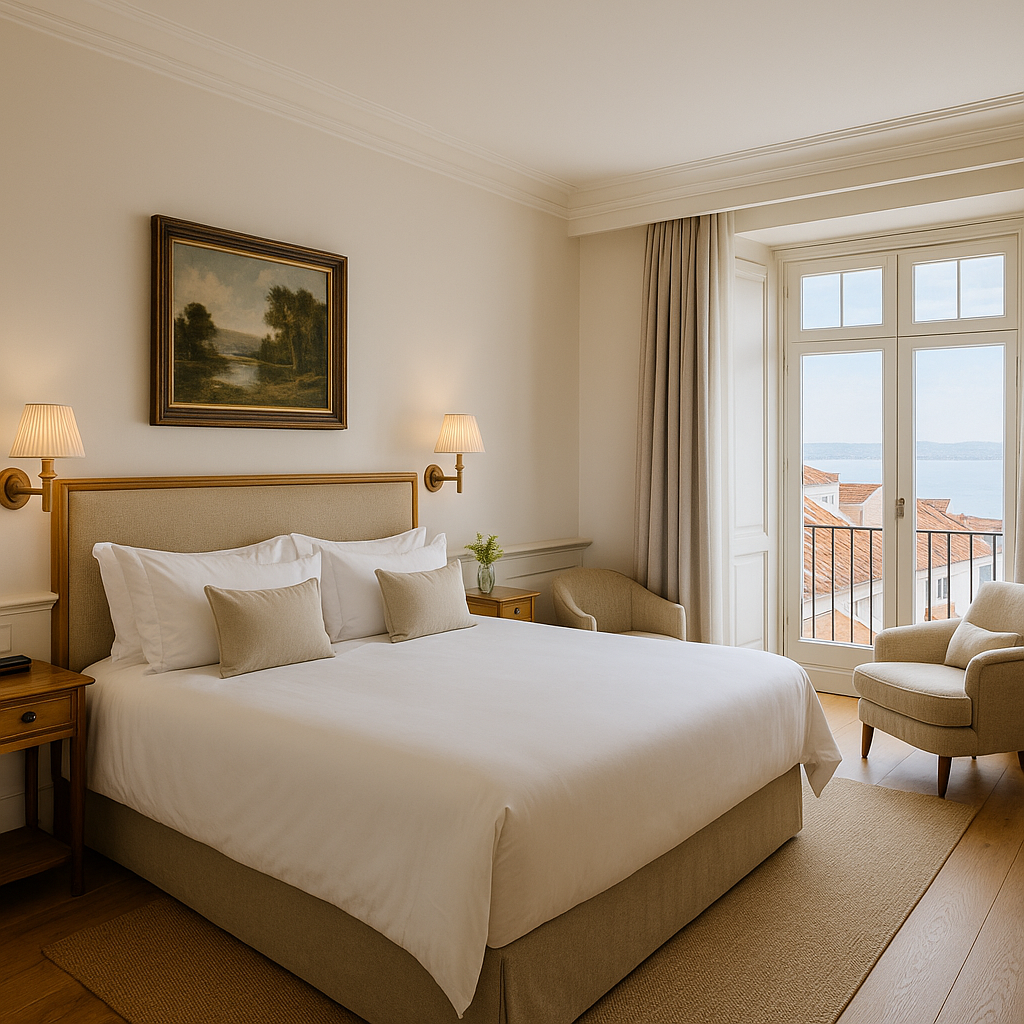
Nestled in the tranquil Ajuda district, the Ajuda National Palace stands as a magnificent, albeit unfinished, testament to Portugal's royal history. This neoclassical marvel served as the official residence for the last reigning monarchs of the Braganza dynasty, offering a unique window into their opulent daily lives. Visiting Ajuda provides a serene and insightful counterpoint to Lisbon's more bustling attractions, revealing a less-trodden path into the country's regal past.
The Palace's Storied Royal History
The origins of Ajuda National Palace are deeply intertwined with one of Lisbon's most cataclysmic events: the 1755 earthquake. After the devastating destruction of the Ribeira Palace, King Joseph I initially commissioned a temporary wooden structure, known as the 'Royal Barrack', on the site where Ajuda now stands. This temporary dwelling evolved into the grand design we see today, though it was never fully completed to its original ambitious plans. The palace gained its true prominence as the official residence of King Luís I and Queen Maria Pia from 1861 until the end of the monarchy in 1910. Their occupancy transformed the palace into a vibrant centre of royal life, filled with exquisite art, furniture, and personal effects that offer an intimate glimpse into their world. Unlike many European palaces, Ajuda retains much of its original decor and furnishings, providing an authentic and evocative journey back in time to the final years of the Portuguese monarchy. Its historical significance as the backdrop for royal decisions, celebrations, and daily routines makes it a pivotal site for understanding Portugal's transition from empire to republic.Exploring the Opulent Royal Interiors and Collections
A visit to Ajuda National Palace is a journey through lavishly decorated rooms, each telling a story of royal grandeur and personal taste. The State Rooms, including the magnificent Throne Room, the elegant Ballroom, and the grand Dining Room, showcase the formal settings where the monarchy entertained dignitaries and conducted official business. These spaces are adorned with intricate frescoes, elaborate chandeliers, and priceless tapestries, reflecting the artistic trends and wealth of the 19th century. Beyond the public areas, the private apartments of King Luís I and Queen Maria Pia offer a more intimate perspective. Here, visitors can admire their personal collections of art, books, and furnishings, which provide a fascinating insight into their individual passions and daily routines. The palace's collections extend to a remarkable array of decorative arts, including ceramics, textiles, and jewellery, all meticulously preserved. The sheer volume and quality of these artefacts underscore the palace's role not just as a residence, but as a custodian of Portuguese cultural heritage. Each room presents a carefully curated tableau, allowing guests to truly imagine life within these royal walls.How to Get There
Ajuda National Palace is situated in the Ajuda district, a charming neighbourhood in western Lisbon, distinct from the more central tourist areas. While not directly in the city centre, it is readily accessible. From central Lisbon areas like Baixa or Chiado, the most comfortable way to reach Ajuda National Palace is with a private driver — we recommend our local partner Portugal Magik. This ensures a direct and stress-free journey, typically taking around 20 to 30 minutes depending on traffic conditions. Alternatively, for local city moves, taxis and ride-sharing services like Uber or Bolt offer convenient door-to-door transport. If you wish to experience a slice of traditional Lisbon life, a ride on a local tram, such as the 18E, can take you close to the palace, offering scenic views along the way. However, for direct and comfortable arrival, especially if time is a factor, a private car remains the most practical choice. Walking from central Lisbon is not recommended due to the distance and hilly terrain.To enhance your visit, consider arriving shortly after opening time or later in the afternoon. This strategy often helps in avoiding the busiest periods, allowing for a more serene and unhurried exploration of the palace's magnificent interiors.
Costs & Timing for Your Palace Visit
Entry to Ajuda National Palace requires a ticket; please consult the official website for the most up-to-date pricing details, as rates can vary for general admission, children, seniors, and special exhibitions. While specific figures are not provided here due to their dynamic nature, the palace offers various ticket options, and it is always prudent to verify these directly before your visit. For a more in-depth experience, especially for those keen on historical detail, consider booking a private guided tour. Pricing for such bespoke tours depends on the provider, group size, and specific inclusions, so it is best to request a tailored quote. In terms of timing, visitors should allocate a minimum of two to three hours to fully appreciate the palace's extensive collections, various rooms, and the surrounding gardens. Those with a particular interest in history, art, or decorative arts might comfortably spend longer. The palace's opening days and hours can change seasonally or for special events, so it is always advisable to verify these on the palace's official website prior to your planned visit to ensure a smooth experience.Frequently Asked Questions
Is Ajuda National Palace accessible for visitors with reduced mobility?
The palace has made efforts to improve accessibility, with ramps and lifts in certain areas. However, due to its historic nature, some sections may still present challenges. It is advisable to contact the palace directly or check their official website for the most current accessibility information.
Can I take photos inside the palace?
Generally, photography without flash is permitted inside Ajuda National Palace for personal use. However, restrictions may apply in specific areas or for temporary exhibitions. Always check for signs or ask staff if unsure.
Are there dining options nearby?
While the palace itself does not have extensive dining facilities, the surrounding Ajuda district offers a selection of local cafés and restaurants where you can enjoy traditional Portuguese cuisine or grab a light snack.
Is there a gift shop at the palace?
Yes, Ajuda National Palace typically features a gift shop where visitors can purchase souvenirs, books, and other items related to the palace's history and Portuguese culture.
How long does a typical visit to Ajuda National Palace take?
To fully appreciate the palace's extensive collections and various rooms, it is recommended to allocate a minimum of two to three hours for your visit. Those with a keen interest in history and art may wish to spend longer.
Is the palace suitable for children?
Ajuda National Palace can be an interesting experience for older children who have an interest in history and art. Younger children might find the extensive historical displays less engaging, but the grandeur of the rooms can still be impressive. Consider their attention span when planning your visit.
What's the best time of year to visit Ajuda National Palace?
Lisbon generally enjoys pleasant weather year-round. Spring (April-May) and Autumn (September-October) offer comfortable temperatures and fewer crowds. However, the palace is an indoor attraction, making it a suitable visit regardless of the season.
Are there any combined tickets available with other attractions?
Occasionally, palaces and museums in Lisbon may offer combined tickets or passes. It is best to check the official website of Ajuda National Palace or other major Lisbon attractions for information on any current joint ticket offers that might be available.