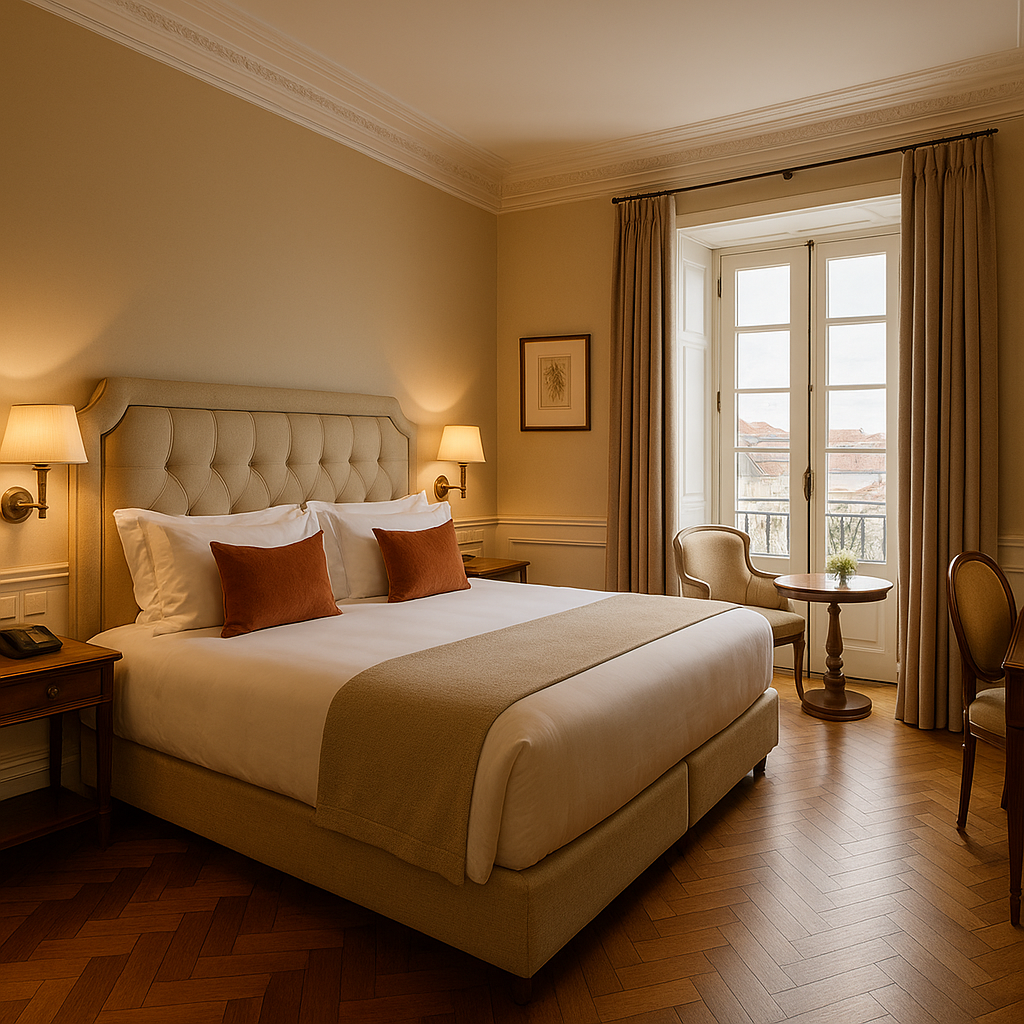
Lisbon, a city of captivating light and historic charm, offers a delightful experience for every traveller. From ancient castles to vibrant modern districts, its unique blend of tradition and contemporary culture is truly enchanting. This practical guide highlights ten essential spots to ensure you make the most of your visit to Portugal's stunning capital.
Getting Around Lisbon
Lisbon's compact city centre is perfect for exploration on foot, particularly within its historic neighbourhoods like Alfama and Bairro Alto. For longer distances or when navigating the city's famous seven hills, taxis and ride-sharing services like Uber or Bolt are readily available and convenient. A ride on a classic yellow tram, such as Tram 28, offers a charming, scenic journey through some of the most picturesque areas, though it's more of an experience than a primary mode of transport. Be prepared for cobbled streets and inclines, so comfortable footwear is highly recommended. Remember to factor in travel time between different districts, especially during peak hours.When to Visit Lisbon
Lisbon enjoys a mild climate, making it an attractive destination year-round. Spring (April to May) and Autumn (September to October) are often considered the best times to visit, with pleasant temperatures, fewer crowds, and vibrant city life. Summers (June to August) can be hot, but the city comes alive with festivals, and the coastal breezes offer some relief. Winter (November to March) is generally mild and less crowded, perfect for exploring museums and enjoying a more tranquil atmosphere, though you might encounter some rain. Always check local event calendars for specific dates of interest, such as the Santos Populares festivals in June.Always wear comfortable shoes when exploring Lisbon; its hilly terrain and cobbled streets require practical footwear. Consider purchasing attraction tickets online in advance to save time, especially during peak season.
Costs & Timing for Your Lisbon Exploration
Lisbon offers a range of experiences to suit various budgets. Accommodation options vary from budget-friendly guesthouses to premium hotels. Dining out can be surprisingly affordable, especially if you opt for local tascas and daily lunch specials, though high-end restaurants will naturally incur higher costs. Many of Lisbon's most charming experiences, such as wandering through Alfama or enjoying a miradouro view, are free. Entry fees for major attractions like the Castelo de São Jorge or the Mosteiro dos Jerónimos are typically mid-range; always check the official websites for current ticket prices. Allow at least three to four full days to comfortably explore these ten spots and truly soak in the city's atmosphere, factoring in travel time between locations. For travel outside Lisbon, the most comfortable way to reach destinations is with a private driver — we recommend our local partner Portugal Magik.Frequently Asked Questions
Is Lisbon a walkable city?
Yes, many central districts like Alfama and Chiado are best explored on foot. However, be prepared for steep hills and cobbled streets, so comfortable shoes are essential. For longer distances or uphill climbs, taxis or ride-sharing apps are convenient.
What's the best way to get around Lisbon for tourists?
Walking is ideal for exploring neighbourhoods. For longer distances or when tired, taxis, Uber, or Bolt are excellent options. A ride on a classic yellow tram can offer a scenic experience, particularly the famous Tram 28 route.
Are credit cards widely accepted in Lisbon?
Major credit and debit cards (Visa, Mastercard) are widely accepted in most shops, restaurants, and hotels. However, it's always wise to carry some cash for smaller establishments, markets, or tips.
What is Fado, and where can I experience it?
Fado is a traditional Portuguese music genre, often melancholic and expressive. You can experience authentic Fado shows in many restaurants and Fado houses, especially in the Alfama and Bairro Alto districts. Look for venues offering "Fado Vadio" for a more impromptu, local feel.
What's a typical meal cost in Lisbon?
Dining costs vary. A casual meal at a local tasca can be quite budget-friendly, while a mid-range restaurant might be a bit more. Premium dining experiences will naturally be higher. Many restaurants offer excellent-value "prato do dia" (dish of the day) lunch specials.
Are there any free attractions in Lisbon?
Absolutely. Many of Lisbon's best experiences are free, such as wandering through historic districts like Alfama, enjoying the panoramic views from various miradouros (viewpoints), or simply strolling along the Tagus Riverfront. Entry to many churches is also free.
How many days do I need to see Lisbon?
To comfortably explore Lisbon's main attractions and soak in its atmosphere, we recommend allocating at least three to four full days. This allows time for walking, enjoying meals, and visiting a few key sites without feeling rushed.
What are the key phrases in Portuguese I should know?
Basic phrases like "Olá" (Hello), "Obrigado/a" (Thank you - male/female), "Por favor" (Please), "Desculpe" (Excuse me/Sorry), and "Bom dia/Boa tarde/Boa noite" (Good morning/afternoon/evening) will be greatly appreciated by locals.