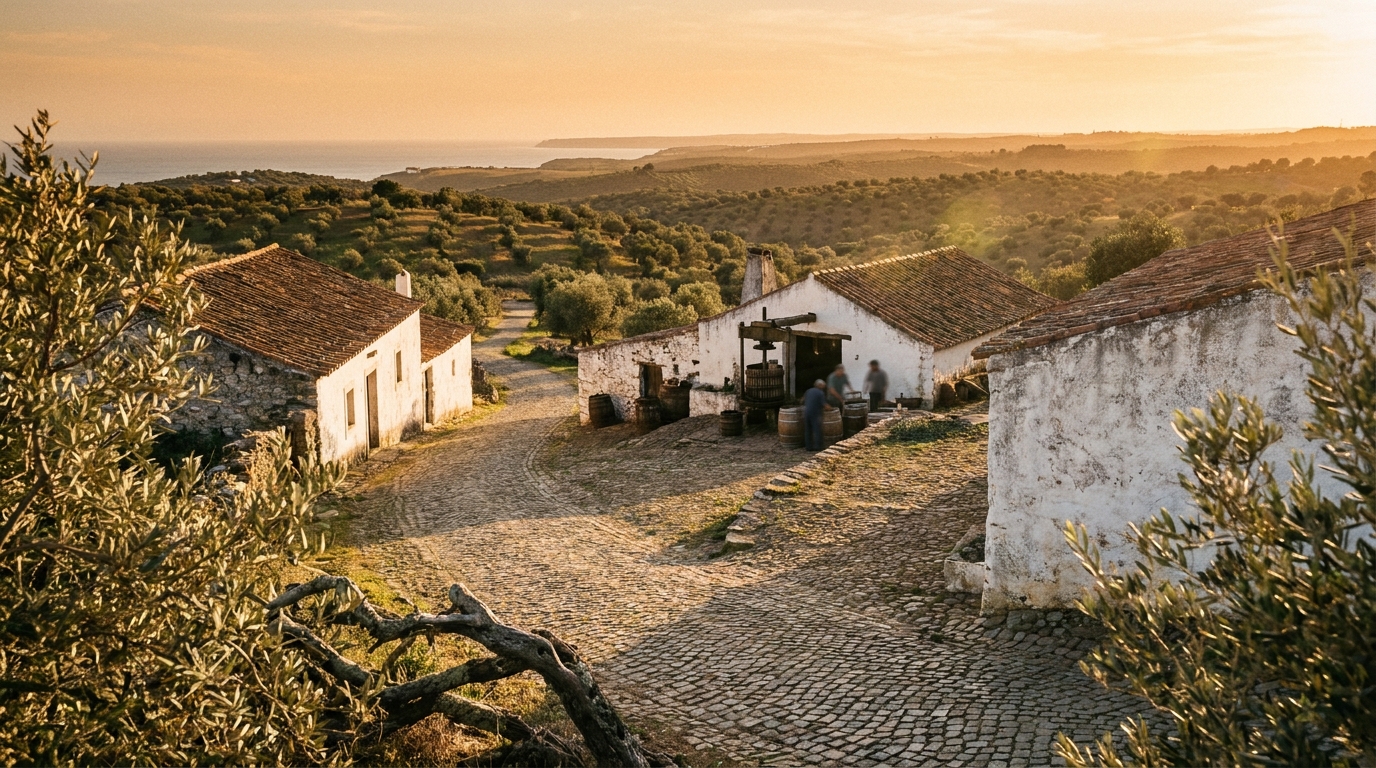
Portugal, a land steeped in history and culinary excellence, boasts an olive oil legacy stretching back millennia. Beyond being a mere condiment, olive oil here is a cornerstone of the national diet, a symbol of tradition, and a testament to the country's fertile lands. Embark on a journey to discover the liquid gold that defines Portuguese gastronomy, from ancient groves to modern presses.
The Heart of Portugal's Olive Oil Production
Portugal's diverse landscapes yield a remarkable variety of olive oils, each reflecting its unique terroir. The Alentejo region, a vast expanse of rolling plains, is arguably the epicentre of production, renowned for its robust and fruity oils. Here, varieties like Galega, Cordovil, and Verdeal thrive, contributing to oils often characterised by their intense aroma and peppery finish. Moving north, Trás-os-Montes offers a contrasting profile, with oils from local cultivars such as Cobrançosa and Madural known for their greener, more bitter notes, reflecting the region's colder climate and mountainous terrain. Meanwhile, Beira Interior, nestled in the central-east, produces oils with a delicate balance of fruitiness and spice. Understanding these regional distinctions is key to appreciating the depth of Portugal's olive oil heritage. Each bottle tells a story of its origin, the olive variety, and the meticulous craftsmanship involved in its creation.Experiencing an Olive Oil Mill Tour
To truly grasp Portugal's olive oil legacy, a visit to an 'lagar' (olive oil mill) is essential. These tours offer a fascinating insight into the production process, from the harvesting of olives to their transformation into the finished product. Many mills, particularly in the Alentejo, open their doors to visitors, providing guided walks through the groves, demonstrations of traditional and modern pressing techniques, and, of course, a comprehensive tasting session. The best time to visit is during the olive harvest, typically from October to February, when the mills are in full operation and the air is fragrant with the scent of freshly pressed olives. During this period, you can witness the entire cycle, from olives arriving at the mill to the extraction of the oil. Beyond the harvest season, many establishments still offer educational tours and tastings, albeit without the live pressing activity. The most comfortable way to reach these often-secluded mills is with a private driver – we recommend our local partner Portugal Magik.Beyond the Mill: Tasting and Culinary Uses
Tasting olive oil is an art form in itself. Professional tasters look for specific attributes: fruitiness, bitterness, and pungency. When you taste, observe the colour (though not indicative of quality), smell for aromas like green apple or almond, and then sip, letting it coat your palate. Note the initial fruitiness, followed by any bitterness on the sides of your tongue, and finally, the peppery sensation (pungency) at the back of your throat. Portugal's olive oils are incredibly versatile in the kitchen. A robust Alentejo oil is perfect for drizzling over grilled fish or a simple 'açorda' (bread stew), while a lighter Beira Interior oil might complement fresh salads or desserts. Don't miss trying 'pão com azeite' (bread with olive oil), a quintessential Portuguese snack, or 'bacalhau à lagareiro', a cod dish generously doused in olive oil. Many local restaurants pride themselves on sourcing the finest regional oils, offering a superb opportunity to experience their culinary impact first-hand.When purchasing olive oil, opt for bottles labelled 'Azeite Virgem Extra' (Extra Virgin Olive Oil), which signifies the highest quality and ensures it's extracted solely by mechanical means without chemical processing.
Planning Your Visit: Costs & Timing
Exploring Portugal's olive oil landscape can range from a budget-friendly tasting to a premium, immersive experience. Many mills offer tours and tastings, with pricing depending on the depth of the experience, the number of oils sampled, and any additional activities like lunch. Some larger, more established estates might offer more comprehensive packages. For a dedicated day trip from Lisbon to an Alentejo mill, expect a full day's excursion. Driving time to areas like Évora or Reguengos de Monsaraz in the Alentejo is approximately 1.5 to 2 hours one-way. A private driver provides flexibility and comfort, allowing you to visit multiple locations without concern for navigation. Pricing for private transfers and bespoke tours depends on group size, vehicle and route; request a tailored quote from a reputable provider. Beyond the direct costs of tours, factor in any purchases of olive oil or related products you might wish to take home. The best time to visit for active harvest experiences is late autumn to early winter, but tours and tastings are available year-round.Frequently Asked Questions
What are the main olive oil producing regions in Portugal?
The primary olive oil producing regions are Alentejo, Trás-os-Montes, and Beira Interior, each offering distinct flavour profiles due to varying climates and olive varieties.
When is the best time to visit an olive oil mill?
The ideal time to visit is during the olive harvest season, typically from October to February, to witness the active pressing process. However, many mills offer tours and tastings year-round.
What is the best way to travel to olive oil mills in rural areas?
For comfort and convenience, especially when visiting mills located in rural areas, arranging a private driver is highly recommended. This allows for flexible scheduling and door-to-door service.
How do I distinguish good quality olive oil?
Look for 'Azeite Virgem Extra' (Extra Virgin Olive Oil). Good quality olive oil will have a balance of fruitiness, bitterness, and pungency. Pay attention to the aroma and flavour notes.
Can I buy olive oil directly from the mills?
Yes, many olive oil mills have shops where you can purchase their products directly. This often ensures the freshest possible oil and provides a wider selection than typical supermarkets.
Are olive oil mill tours suitable for families?
Most olive oil mill tours are family-friendly, offering an educational and sensory experience for all ages. It's advisable to check with individual mills for specific age recommendations or activities.
What is DOP certification for olive oil?
DOP stands for 'Denominação de Origem Protegida' (Protected Designation of Origin). It's a European Union certification that guarantees the product's quality, authenticity, and that it originates from a specific geographical region.
What should I wear for an olive oil mill tour?
Comfortable clothing and sturdy, closed-toe shoes are recommended, especially if you plan to walk through olive groves or areas with uneven terrain. Layers are also useful depending on the season.