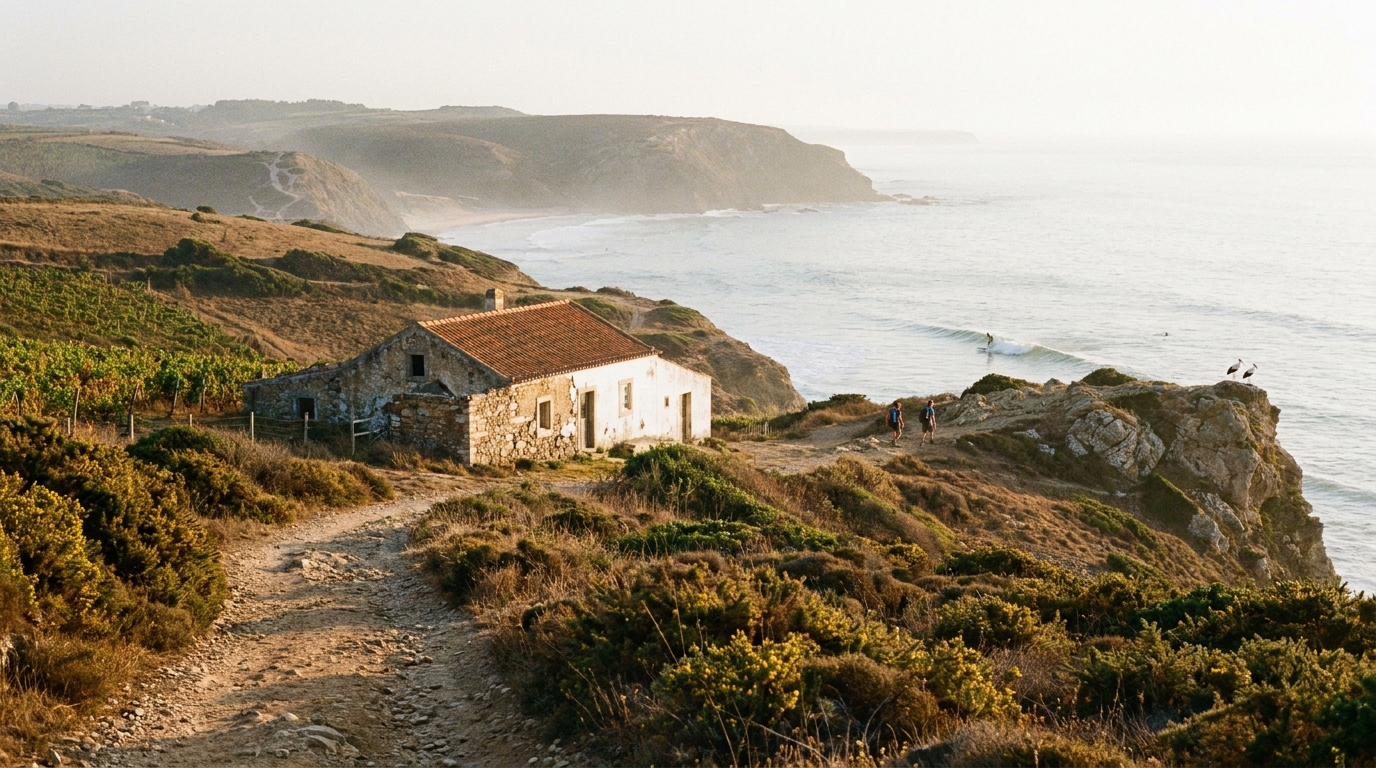
Portugal, with its diverse landscapes stretching from dramatic coastlines to rugged mountain ranges, offers unparalleled opportunities for active travellers. Whether you're keen to conquer challenging hiking trails, ride world-class waves, or observe fascinating wildlife in its natural habitat, this guide highlights seven exceptional locations. Prepare for an unforgettable journey into the heart of Portugal's wild side, designed for those who seek adventure beyond the usual tourist paths.
Coastal Thrills & Verdant Trails: Lisbon Region's Natural Parks
Just a short distance from Lisbon, two natural parks provide a stunning mix of active pursuits. The **Sintra-Cascais Natural Park** combines the mystical allure of the Sintra mountains with the raw beauty of the Atlantic coast. Here, you can embark on invigorating hikes through ancient forests, past historic estates, and along dramatic cliff-top paths offering expansive ocean views. For surfers, Guincho Beach is renowned for its powerful waves, suitable for experienced riders. Birdwatchers will appreciate the diverse raptor species and migratory birds. Further south, the **Arrábida Natural Park** mesmerises with its unique microclimate, where lush green hills meet the turquoise waters of the Sado Estuary. Hike along the Serra da Arrábida's scenic trails, revealing hidden coves and panoramic vistas of the Atlantic. The Sado Estuary is a prime location for wildlife spotting, particularly bottlenose dolphins, which can often be observed in their natural environment. The most comfortable way to reach these parks is with a private driver — we recommend our local partner Portugal Magik. Driving from Lisbon typically takes 30-45 minutes to Sintra-Cascais and 45-60 minutes to Arrábida.Wild West & Northern Wilderness: Alentejo, Algarve & Gerês
Venturing further afield, Portugal's western and northern frontiers promise untamed beauty. The **Southwest Alentejo and Vicentine Coast Natural Park**, encompassing the renowned Rota Vicentina, is a paradise for hikers and surfers alike. The Fishermen's Trail offers challenging coastal walking with breathtaking views, while numerous beaches like Zambujeira do Mar and Carrapateira provide consistent, powerful surf. Wildlife enthusiasts can observe white storks nesting on sea cliffs – a unique sight – alongside a rich variety of marine birds. In the far north, the **Peneda-Gerês National Park**, Portugal's only national park, is a rugged expanse of mountains, forests, and waterfalls. It’s an exceptional destination for serious hiking, with trails leading to ancient villages, Roman roads, and stunning natural pools. Wildlife spotting here might include the wild Garrano horses, deer, and a rich diversity of birdlife. The drive from Lisbon to the Vicentine Coast takes approximately 2.5-3 hours, while reaching Peneda-Gerês from Lisbon is a journey of around 4.5-5 hours, or 1.5-2 hours from Porto.Central Peaks & Eastern Lagoons: High Altitude to Coastal Wetlands
Completing our active escape tour, we head to the country's interior and eastern coast. The **Serra da Estrela Natural Park** is home to Portugal's highest mountain range, offering unparalleled high-altitude hiking experiences. Explore glacial valleys, navigate challenging peaks, and discover unique flora and fauna adapted to this environment. Birdwatching for raptors is particularly rewarding here. Off the coast of Peniche, the **Berlengas Archipelago Natural Reserve** is a protected marine and bird sanctuary. Reachable by boat, the main island of Berlenga Grande offers short, scenic hikes to its lighthouse and fort, alongside exceptional opportunities for wildlife observation, primarily seabirds like puffins and guillemots, and rich marine life in its clear waters. Finally, the **Ria Formosa Natural Park** in the Eastern Algarve is a labyrinth of lagoons, islands, and marshlands. It's a prime spot for gentle walks along boardwalks, kayaking through serene waterways, and is a globally important wetlands site for migratory birds, making it a birdwatcher's paradise. The drive from Lisbon to Serra da Estrela is about 3 hours, to Peniche (for Berlengas boats) around 1 hour, and to Faro (Ria Formosa) roughly 2.5-3 hours.Portugal's weather can be unpredictable, particularly in coastal and mountainous regions. Always pack layered clothing to adapt to sudden changes in temperature or unexpected rain showers.
Planning Your Active Itinerary & Logistics
When planning your active escape, consider the season. Spring (April-May) and Autumn (September-October) generally offer the most pleasant weather for hiking, with fewer crowds. Summer (June-August) is ideal for surfing, though beaches can be busy. Wildlife viewing varies by season; migratory birds are often best spotted during spring and autumn. For inter-city travel, a private driver offers comfort and flexibility, allowing you to reach even the most remote natural parks efficiently. Pricing for private transfers depends on group size, vehicle type, and the specific route; request a tailored quote for your journey. Many of the natural parks are free to enter, though some specific attractions or guided tours within them may have associated costs. Always check the official sites for any current information or necessary permits, especially for challenging hikes or specific wildlife observation activities. Booking private guides for surfing lessons, guided hikes, or wildlife tours is recommended for a richer and safer experience; request a personalised quote from local operators based on your requirements.Frequently Asked Questions
What is the best time of year for hiking in Portugal?
Spring (April-May) and Autumn (September-October) generally offer the most comfortable temperatures for hiking, with lush landscapes and fewer crowds. Summer can be very hot, especially inland.
Where are the best surfing spots for beginners in Portugal?
While spots like Guincho and the Vicentine Coast are known for powerful waves, certain areas, especially around Peniche or the Algarve, offer more sheltered breaks suitable for beginners. It's best to consult local surf schools.
Can I see dolphins in Portugal?
Yes, bottlenose dolphins are frequently sighted in the Sado Estuary (near Arrábida Natural Park) and along the Algarve coast. Boat tours specifically for dolphin watching are available.
Are there any national parks in Portugal?
Portugal has one national park, Peneda-Gerês National Park, located in the north. It offers stunning mountain scenery, ancient villages, and diverse wildlife.
How should I get to these natural parks from major cities?
For comfort and flexibility, especially when visiting remote areas, a private driver is the recommended transport option. This allows for door-to-door service and convenient access to trailheads and surf spots.
Do I need special permits for hiking in Portugal's natural parks?
Most general hiking trails in natural parks do not require special permits. However, for certain protected areas, specific activities, or overnight stays, it's always wise to check with the park's official website or a local guide beforehand.
What kind of wildlife can I expect to see in Portugal?
Portugal is rich in birdlife, including migratory species and raptors. Marine life includes dolphins and various fish. Inland, you might spot wild horses (Garrano) in Gerês, and species like deer, wild boars, and chameleons in specific regions.
Is it safe to hike alone in Portugal's natural parks?
While generally safe, it's always recommended to inform someone of your route and expected return time, especially when hiking solo in remote areas. Stick to marked trails and carry essential safety gear.