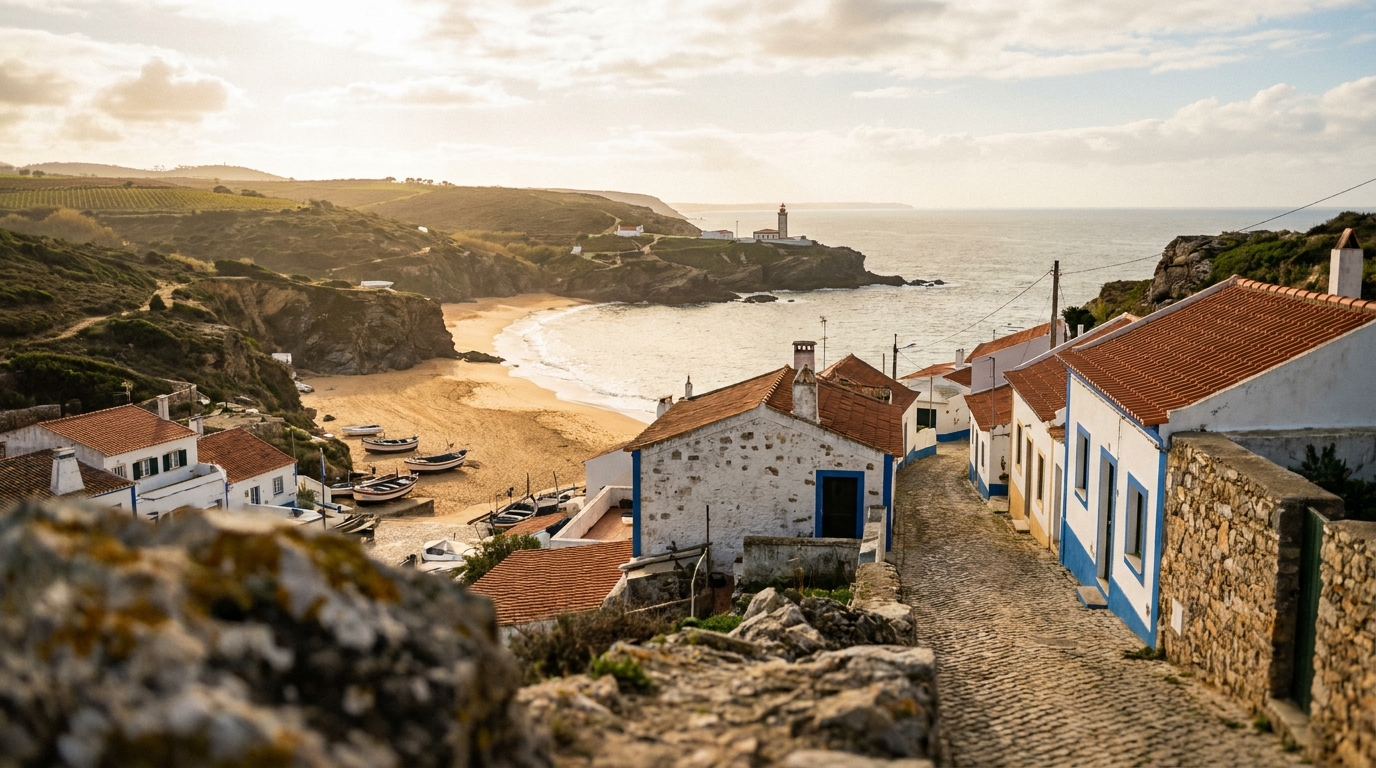
Portugal's coastline is a tapestry of breathtaking beauty, from dramatic cliffs to golden sands. Beyond the bustling resorts lie numerous pristine beaches, offering tranquil escapes and unspoiled natural splendour. This guide introduces five such gems, ensuring a memorable and comfortable visit to some of the country's most beautiful shores.
The Algarve's Golden Coves: Praia da Marinha & Praia do Camilo
The Algarve region is world-renowned for its stunning coastline, and Praia da Marinha is often cited as one of Europe's most beautiful beaches. Famous for its iconic limestone arches and crystal-clear turquoise waters, it’s a postcard-perfect setting. The calm, sheltered waters make it ideal for swimming and snorkelling amidst rich marine life. Nearby, Praia do Camilo in Lagos offers another spectacular experience. Accessed via a long wooden staircase, this smaller cove is a labyrinth of grottoes and rock formations, perfect for exploration at low tide. Both beaches embody the Algarve's dramatic beauty, with golden cliffs providing a stunning backdrop. To reach these Algarve treasures from Lisbon, the journey typically takes around 2.5 to 3 hours by private driver, covering approximately 280-300 kilometres. If arriving at Faro Airport, a private transfer to the Lagos area (for Camilo) or Lagoa area (for Marinha) is about 45 minutes to an hour, spanning 60-70 kilometres. The most comfortable way to reach these destinations is with a private driver — we recommend our local partner Portugal Magik.Wild Atlantic Beauty near Lisbon: Praia da Ursa & Praia do Meco
Closer to the capital, the Lisbon coast offers its own brand of wild, untamed beauty. Praia da Ursa, situated near Cabo da Roca – mainland Europe's westernmost point – is a truly spectacular and rugged beach. Its name, 'Bear Beach', comes from the two towering sea stacks resembling a bear and its cub. Access involves a challenging, steep hike, which deters crowds and preserves its pristine nature. It’s a truly wild experience, perfect for those seeking solitude and dramatic landscapes. Further south, in the Sesimbra region, Praia do Meco is a vast, natural beach known for its extensive sands and distinct areas, including a popular naturist section. Less developed than other coastal spots, Meco offers a refreshing sense of freedom and space, backed by low cliffs and pine forests. Its Atlantic waters can be invigorating, but the sheer expanse ensures a tranquil spot for everyone. From central Lisbon, reaching Praia da Ursa takes approximately 45 minutes to an hour by private driver, covering about 40 kilometres. Praia do Meco is a similar distance, around 40-50 minutes, depending on traffic.Alentejo's River Mouth Gem: Praia de Odeceixe
Straddling the border between the Alentejo and Algarve regions, Praia de Odeceixe is a unique and captivating beach. What sets it apart is the Seixe River, which meets the Atlantic Ocean right on the sand, creating a dual landscape of river and sea. This makes it wonderfully versatile: the river side offers calm, shallow waters ideal for families with young children, while the ocean side provides excellent conditions for surfing and bodyboarding. The beach is nestled within a verdant valley, offering stunning panoramic views from the cliffs above. Praia de Odeceixe maintains a relaxed, authentic vibe, reflecting the Alentejo's laid-back pace. It’s a fantastic spot to witness local life and enjoy fresh seafood in the nearby village. From Lisbon, a private driver will take around 2.5 to 3 hours to cover the 240-kilometre journey. If travelling from Faro, the drive is slightly shorter, approximately 1.5 to 2 hours, covering about 120-130 kilometres. The blend of river and ocean, combined with its stunning natural setting, makes Odeceixe a truly pristine and unforgettable destination.For the best experience, visit these beaches during the shoulder seasons (May-June or September-October). The weather is pleasant, and the crowds are significantly smaller than in peak summer.
Planning Your Pristine Beach Escape: Costs & Timing
When planning your visits to Portugal's pristine beaches, consider that 'pristine' often means fewer commercial facilities. While the beaches themselves are free to access, factors like transport, food, and any amenities will contribute to your overall costs. Private driver services offer a premium, comfortable, and flexible way to explore, with pricing depending on group size, vehicle type, and the specific route. Request a tailored quote for your journey. For food and drink, expect to pay standard Portuguese prices in nearby villages or towns. Bringing your own picnic and water can be a budget-friendly option, especially for beaches like Praia da Ursa or Praia do Meco, where facilities are minimal or non-existent. Timing your visit is crucial. The summer months (July and August) bring the warmest weather but also the largest crowds. For a truly pristine experience, aiming for the shoulder seasons (late spring or early autumn) offers excellent weather with fewer visitors, allowing you to fully appreciate the natural beauty without interruption. Even during these times, arriving earlier in the day often guarantees the best spots.Frequently Asked Questions
Are these pristine beaches suitable for families?
Praia da Marinha and Praia de Odeceixe (on the river side) are generally very suitable for families due to calmer waters and easier access. Praia do Camilo requires navigating many stairs, and Praia da Ursa has challenging access, making them less ideal for very young children or those with mobility issues. Praia do Meco is vast, offering plenty of space for families.
What facilities can I expect at these pristine beaches?
Pristine often means minimal facilities. Praia da Marinha and Praia de Odeceixe typically have some basic amenities, such as seasonal beach bars or toilets. Praia do Camilo has a restaurant at the top of the stairs. Praia da Ursa and Praia do Meco are largely undeveloped, so you should bring everything you need for the day.
Is swimming safe at all these locations?
The Atlantic waters can be cold and currents strong, particularly at Praia da Ursa and Praia do Meco. Praia da Marinha and the river side of Praia de Odeceixe generally offer calmer, safer swimming conditions. Always observe any warning flags and exercise caution, especially if no lifeguards are present.
What should I bring for a day at one of these beaches?
Given the often limited facilities, it's advisable to bring plenty of water, snacks or a picnic, sun cream, a hat, sunglasses, a beach towel, and a rubbish bag to take all your waste with you. For Praia da Ursa, comfortable walking shoes are essential for the hike down.
Are there any entry fees for these beaches?
No, all the beaches mentioned are public and free to access. The costs involved would relate to transport, parking (if applicable and using your own vehicle via a private driver), and any food or drink you purchase.
Can I find food and drink nearby?
Praia da Marinha and Praia de Odeceixe usually have seasonal beachside establishments or nearby villages with restaurants. Praia do Camilo has a restaurant at the top of its access stairs. Praia da Ursa and Praia do Meco have very limited or no direct facilities, so it's best to pack your own.
What's the best time of year to visit these beaches?
The shoulder seasons (May-June and September-October) are generally ideal. The weather is warm and sunny, but the beaches are less crowded than during the peak summer months of July and August. This allows for a more tranquil and authentic experience.
Are watersports available at these pristine beaches?
While not heavily commercialised, Praia de Odeceixe is popular for surfing and bodyboarding, particularly on the ocean side. Some local surf schools operate there. For the other beaches, watersports are generally not formally offered, but personal activities like snorkelling (especially at Praia da Marinha and Camilo) are possible.