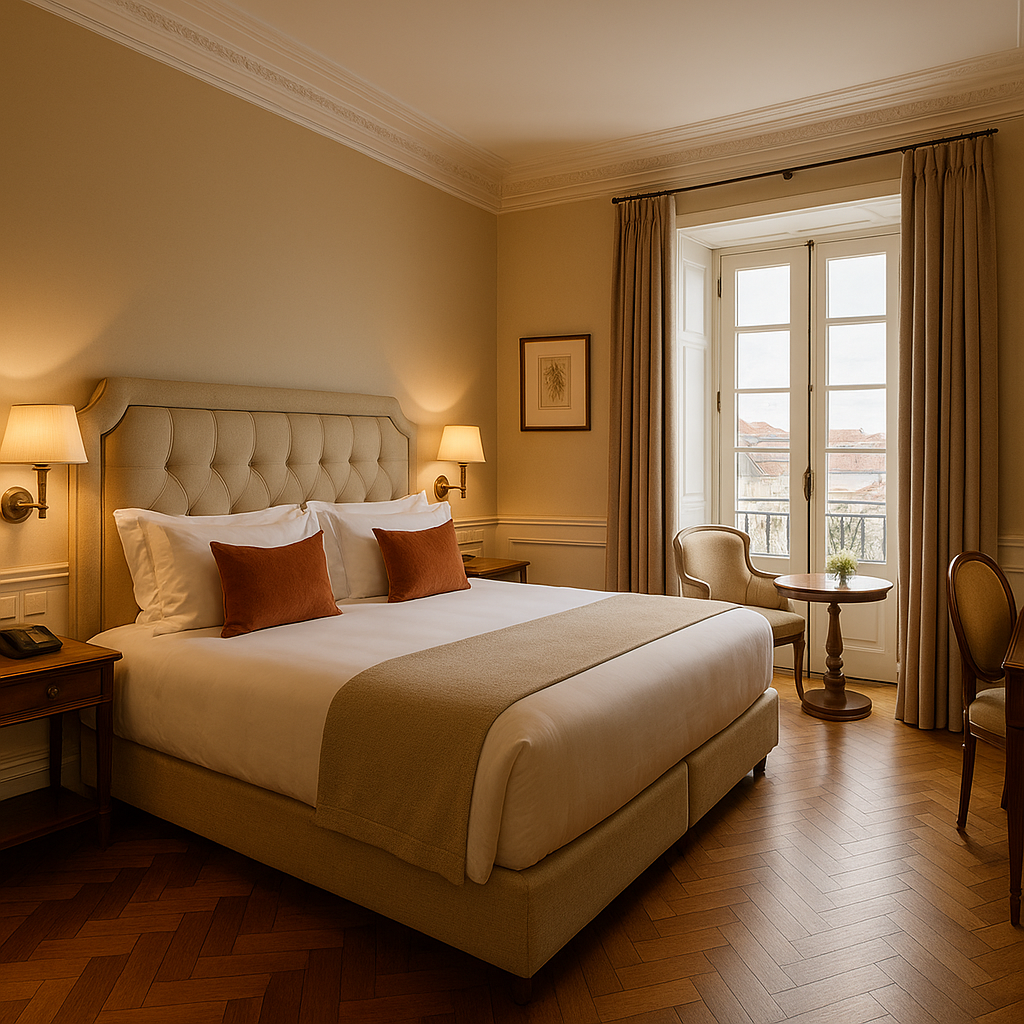
Lisbon, Portugal's captivating capital, offers a rich tapestry of history, culture, and stunning vistas. In 2024, the city continues to charm visitors with its distinctive neighbourhoods, iconic landmarks, and vibrant atmosphere. This practical guide highlights five essential places to experience the true essence of Lisbon, ensuring a memorable and comfortable journey through its diverse offerings.
Lisbon's Ancient Soul: Alfama and São Jorge Castle
Begin your Lisbon exploration in Alfama, the city's oldest district. This labyrinthine neighbourhood, with its narrow, winding streets and steep staircases, is a living museum of Moorish heritage. Here, you'll discover hidden squares, traditional Fado houses, and small, family-run eateries. Allow ample time to simply wander and get delightfully lost, soaking in the authentic atmosphere. A scenic ride on Lisbon's famous yellow tram offers a charming perspective of Alfama's steepest inclines, though walking remains the most intimate way to explore. Perched atop Lisbon's highest hill, São Jorge Castle (Castelo de São Jorge) offers panoramic views across the city, the Tagus River, and beyond. This historic fortress, with its ancient ramparts, peacocks roaming freely, and archaeological site, provides a fascinating glimpse into Lisbon's past, from Roman to Moorish and medieval eras. Reaching the castle involves a significant uphill walk, but the vistas from its battlements are well worth the effort. Alternatively, a short taxi or Uber/Bolt ride can transport you directly to the entrance, saving your energy for exploring the castle grounds.Maritime Legacy in Belém
A visit to Belém is essential for understanding Portugal's rich Age of Discoveries. This riverside district is home to several UNESCO World Heritage Sites. The Jerónimos Monastery (Mosteiro dos Jerónimos) is a breathtaking example of Manueline architecture, housing the tomb of Vasco da Gama. Its ornate cloisters and grand church are truly magnificent. Nearby, the Belém Tower (Torre de Belém), a fortified tower that once guarded the mouth of the Tagus, stands as an iconic symbol of Portugal's maritime prowess. Just a short walk away is the Padrão dos Descobrimentos (Monument to the Discoveries), commemorating the explorers who shaped Portugal's history. No trip to Belém is complete without sampling the original Pastéis de Belém, the creamy custard tarts found at the historic 'Antiga Confeitaria de Belém'. This spot is legendary and often has a queue, but the fresh, warm tarts are an experience in themselves. Getting to Belém from Lisbon's city centre is straightforward; a comfortable taxi or Uber/Bolt ride typically takes around 15-20 minutes, depending on traffic, offering a smooth journey to these historic treasures.Modern Vibrancy and Panoramic Views: Chiado, Bairro Alto, and Parque das Nações
Experience Lisbon's contemporary pulse in the elegant Chiado district, known for its theatres, historic cafés, and upscale shopping. This area offers a blend of culture and commerce, perfect for an afternoon stroll or an evening out. Adjacent to Chiado, the Bairro Alto transforms from a quiet residential area by day into Lisbon's vibrant nightlife hub after sunset. Its narrow streets come alive with bars and restaurants, offering a lively atmosphere for those looking to experience Lisbon's evening buzz. For a different side of Lisbon, head to Parque das Nações (Park of Nations), built for Expo '98. This modern district showcases contemporary architecture, beautiful riverfront gardens, and the renowned Oceanário de Lisboa, one of the world's largest aquariums. It's a fantastic area for families and those interested in a more futuristic urban landscape. Exploring Chiado and Bairro Alto is best done on foot, given their proximity and pedestrian-friendly nature. To reach Parque das Nações from the city centre, a taxi or Uber/Bolt provides a convenient and direct route, typically taking around 15-25 minutes.Lisbon's sunlight can be intense, particularly in summer. Plan your outdoor activities for the mornings or late afternoons, and seek shade during the midday hours to fully enjoy your exploration without overheating.
Navigating Lisbon: Practicalities and Timing
When planning your visits, consider the opening hours and potential queues for major attractions; checking official websites before you go is always recommended. Entry fees apply to most museums and monuments, but many churches offer free entry. For a more relaxed experience, aim to visit popular sites early in the morning or later in the afternoon. Lisbon is a city of hills, making walking a fantastic way to discover its hidden corners but also a workout. For getting between districts or when tired, taxis, Uber, and Bolt are convenient and widely available options. A journey from the city centre to Belém, for instance, typically takes around 15-20 minutes by car, while a trip to Parque das Nações might be 15-25 minutes. Factor in travel time between locations, especially if you have a packed itinerary. While many dining options are budget-friendly, there are also numerous mid-range and premium restaurants available, catering to all preferences.Frequently Asked Questions
What is the best time of year to visit Lisbon?
The shoulder seasons (April-May and September-October) are ideal, offering pleasant weather, fewer crowds, and a vibrant atmosphere. Summer (June-August) is popular but can be very hot.
How should I get around Lisbon city centre?
Walking is often the most rewarding way to explore Lisbon's charming neighbourhoods. For longer distances or steep inclines, taxis, Uber, or Bolt are convenient and widely available. The iconic yellow tram also offers a scenic experience in certain areas like Alfama.
Are Lisbon's main attractions expensive to enter?
Entry fees vary for different museums and monuments. It's advisable to check the official websites of specific attractions for current ticket prices. Many public spaces and certain churches offer free entry.
Is Lisbon a walkable city?
Lisbon is very walkable, but be prepared for numerous hills and cobbled streets. Comfortable footwear is essential. Many central districts like Chiado and Bairro Alto are best explored on foot.
What about day trips from Lisbon?
For exploring beyond Lisbon, such as Sintra or Cascais, the most comfortable option is a private driver — we recommend our local partner Portugal Magik. This allows for a flexible itinerary and door-to-door service.
What should I wear when visiting Lisbon?
Pack comfortable walking shoes for the hills and cobblestones. Light layers are good for varying temperatures. In summer, light clothing and sun protection are crucial. For evenings, a light jacket or cardigan can be useful.
Is it safe to explore Lisbon at night?
Lisbon is generally a safe city. Popular areas like Bairro Alto are lively and well-patrolled at night. As with any major city, it's wise to be aware of your surroundings, especially in crowded tourist spots.
What local food specialities should I try?
Beyond Pastéis de Belém, be sure to try 'Bacalhau à Brás' (codfish with scrambled eggs and potatoes), 'Sardinhas Assadas' (grilled sardines, especially in summer), and 'Ginjinha' (a sour cherry liqueur).